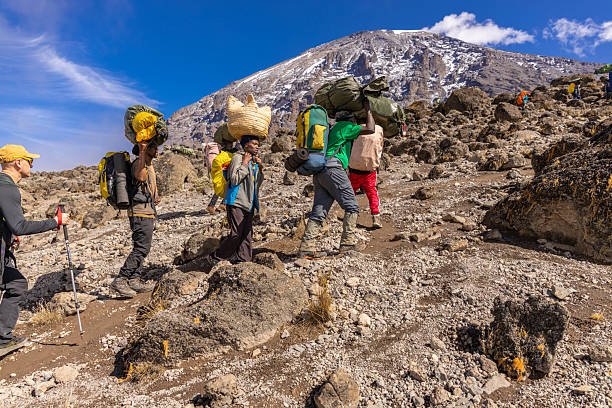
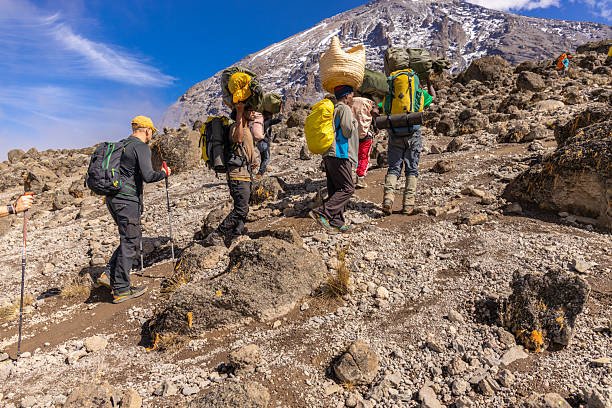
Kilimanjaro Guide Tips
Kilimanjaro Guide Tips are an important part of budgeting for a Mount Kilimanjaro expedition because the lead guide and assistant guides play central roles throughout the trek.
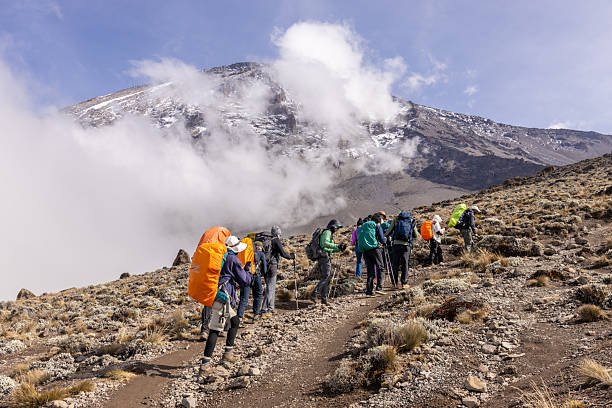
The guide team controls the walking pace, explains the route, monitors climber wellbeing, coordinates the mountain crew and makes important safety decisions.
During summit night, guide support becomes especially important because climbers may respond differently to altitude and move at different speeds.
Tipping the guide team is normally part of the wider Kilimanjaro crew gratuity system rather than a separate mandatory mountain fee.
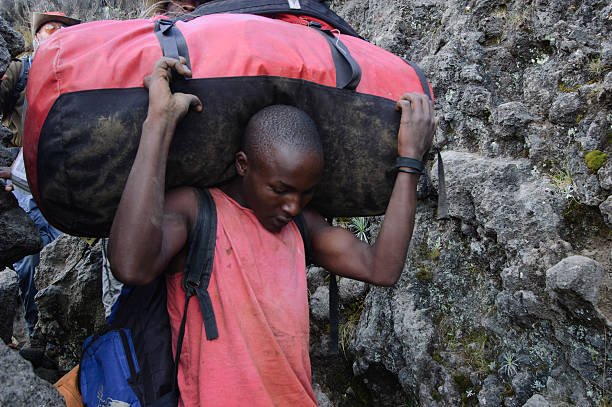
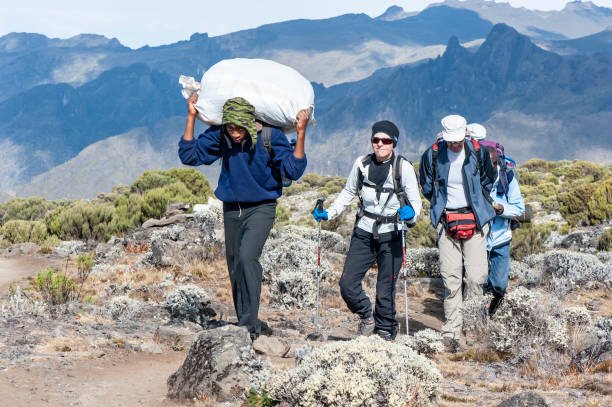
The crew may also include a cook and several porters.
For this reason, travellers should understand both guide tipping and the overall crew distribution before deciding how much cash to prepare.
The exact total depends on group size, route length and the confirmed mountain crew.
For a seven day group trek, approximately USD 350 to USD 450 per climber can be used as a practical total crew tipping budget.
The lead guide normally receives a larger individual share than a porter because of the level of responsibility involved.
Assistant guides also receive their own allocation according to the agreed distribution system.
The final amount remains a personal gratuity rather than a guaranteed fixed charge.
Kilimanjaro Guide Tips at a Glance
- Main guide role: Pace, route management, health monitoring and safety
- Assistant guide role: Support climbers and assist the lead guide
- Are guide tips included? Normally no unless the confirmed quotation says otherwise
- 7 day group planning range: Around USD 350 to USD 450 per climber for the full crew
- Private climbs: May require a higher contribution per climber
- Best method: Confirm the actual crew and distribute transparently
- When: Normally near the end of the trek
- Currency: Clean USD notes or Tanzanian shillings according to arrangements
What Does a Kilimanjaro Guide Do?
The Kilimanjaro guide is much more than someone who shows climbers the trail.
The guide manages the daily mountain schedule and helps determine an appropriate pace for the group.
The guide also explains the route, camp arrangements and the plan for each trekking day.
As altitude increases, health monitoring becomes increasingly important.
Guides may ask climbers about headache, appetite, nausea, dizziness, fatigue, sleep and general wellbeing.
They also coordinate with assistant guides and the wider crew.
Why the Lead Guide Receives a Larger Tip
The lead guide normally carries the highest level of responsibility within the mountain team.
This includes responsibility for route management, group pace, communication, summit planning and major safety decisions.
The guide may also have to decide when a climber should slow down, stop ascending or descend.
Because of this responsibility, the lead guide normally receives a higher individual gratuity than most other crew members.
Guide Quality Is More Than Reaching the Summit
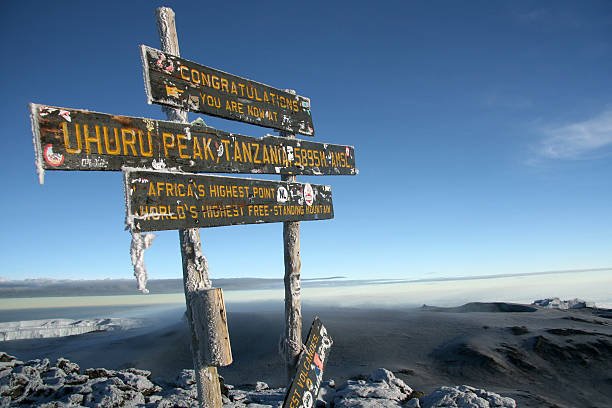
A responsible guide may sometimes recommend stopping or descending. Good guide service should be judged by professionalism, support and safety decisions, not only whether Uhuru Peak was reached.
What Does an Assistant Guide Do?
Assistant guides support the lead guide throughout the expedition.
They may walk with different sections of the group, help monitor individual climbers and provide additional support where needed.
On summit night, assistant guides can become particularly important because climbers may separate naturally according to pace.
An assistant guide may remain with a slower climber while another guide continues with other group members.
How Many Guides Does a Kilimanjaro Group Have?
The number of guides depends on the number of climbers and the confirmed mountain arrangement.
A small group may have one lead guide and additional support according to group size.
Larger groups normally require more assistant guides.
Summit support may also increase because individual climbers can move at different speeds.
Always confirm the actual crew before finalizing gratuities.
How Much Should You Tip Your Kilimanjaro Guide?
There is no single guide tip that applies to every expedition.
The amount depends on trek duration, group size, number of guides and the wider crew tipping structure.
Many groups calculate one combined gratuity for guides, cook and porters rather than trying to decide one amount for the guide before confirming the complete crew.
For a seven day group climb, around USD 350 to USD 450 per climber can be used as an overall crew budgeting range.
The guide's individual portion is then allocated as part of the agreed group distribution.
Should You Tip the Lead Guide Separately?
You may, but it is useful to first understand the normal group distribution system.
The main gratuity should recognize the full crew.
A climber may then choose to give an additional personal tip to the lead guide if they received exceptional individual support.
This additional gratuity remains optional.
Should Assistant Guides Receive Tips Too?
Yes, assistant guides should be included in the crew tipping plan.
They may provide important support throughout the trek and during summit night.
Their contribution should not be overlooked simply because the lead guide is the main person communicating with the group.
Guide Tips versus Full Crew Tips
Kilimanjaro tipping is best understood as a team system.
The guides are important, but cooks and porters are also essential to the expedition.
Giving all gratuities only to the guide while ignoring the rest of the crew would not reflect how the mountain operation works.
A transparent distribution plan should therefore include every confirmed crew role.
Typical Crew Roles
- Lead guide
- Assistant guides
- Cook
- Porters
- Additional summit support where applicable
How Much Should You Budget for a 7 Day Kilimanjaro Climb?
For a seven day group trek, approximately USD 350 to USD 450 per climber is a useful total crew planning figure.
This provides a practical amount to include in the overall travel budget before arriving in Tanzania.
The exact total can then be adjusted after the group confirms the final crew size and distribution method.
Why There Is a Range Instead of One Fixed Tip
The same route can have different crew sizes depending on the number of climbers.
A group of two requires a different per person calculation from a group of ten.
Trek length also matters.
A seven or eight day itinerary involves more crew working days than a five day climb.
Private and group joining arrangements also influence how many travellers share the total gratuity.
Private Kilimanjaro Guide Tips
Private climbs may involve higher gratuities per person because the guide team and wider crew support fewer climbers.
For example, two guests cannot divide the crew tip among as many people as a larger group can.
This should be included in the budget when choosing between private and group joining departures.
Solo Private Climb Guide Tips
A private solo expedition may have the highest per person crew tipping requirement.
The essential mountain team is supporting one climber rather than dividing its work among several guests.
A solo traveller should therefore ask for a specific crew estimate before the trek if gratuity budgeting is important.
Group Joining Kilimanjaro Guide Tips
Group joining climbs allow travellers to share the combined gratuity among more climbers.
The group can agree on a contribution per person and then calculate the total.
This often makes the tipping process easier.
The group should still confirm how many guides, cooks and porters are actually working on the climb.
Does the Route Change the Guide Tip?
The route itself is less important than the number of days and the actual crew arrangement.
A longer Lemosho or Northern Circuit trek involves more working days than a shorter itinerary.
The tipping budget should therefore reflect duration as well as group size.
Machame Guide Tips
Machame is commonly operated over six or seven days.
The mountain crew works throughout the entire camping itinerary.
A seven day version therefore involves an additional working day compared with a six day schedule.
Final tips should reflect actual duration and crew size.
Lemosho Guide Tips
Lemosho is commonly offered over seven or eight days.
The longer itinerary means additional guide and crew working days.
Climbers should budget accordingly and confirm whether their climb is private or group joining.
Marangu Guide Tips
Marangu is commonly climbed over five or six days.
Although the route uses huts rather than camping tents, guides, cooks and porters are still required.
The six day itinerary includes an additional mountain day and therefore additional crew working time.
Rongai Guide Tips
Rongai may be operated over six or seven days.
The ascent uses camping before climbers descend through the Marangu side.
The final gratuity should reflect the itinerary length, crew size and group size.
Northern Circuit Guide Tips
The Northern Circuit is a longer Kilimanjaro route.
Additional mountain days mean additional guide and crew working days.
Travellers should therefore expect the combined crew tipping budget to reflect the longer itinerary.
How Guide Tips Are Usually Shared
Many groups collect the planned contributions from all climbers.
The total is then divided among the crew according to the agreed system.
The lead guide typically receives a higher individual share, followed by assistant guides, cook and individual porters according to role.
The exact distribution should be explained clearly rather than assumed.
Why Transparent Tip Distribution Matters
The lead guide is the crew member most guests know best.
Porters may be less visible even though they perform essential work throughout the expedition.
A transparent distribution system helps make sure gratuities are not unintentionally concentrated only among the most visible crew members.
Ask for the Crew List
Before calculating the final gratuity, confirm how many lead guides, assistant guides, cooks and porters are actually assigned to your expedition.
When Should You Ask about Tipping?
The best time is before the expedition or during the pre climb briefing.
This allows travellers to budget correctly and prepare suitable cash.
Waiting until the final day can create unnecessary confusion.
When Do You Give Your Guide the Tip?
Tips are normally organized near the end of the mountain trek.
This may happen at the final camp, mountain gate or another agreed location.
The exact timing depends on the operator's normal procedure.
What Is the Kilimanjaro Tipping Ceremony?
Many groups finish the climb with a thank you or tipping ceremony.
The crew and guests may gather together and recognize the expedition team.
Some groups include songs or a short celebration.
The format differs between expeditions.
The important part is that gratuities are distributed clearly and respectfully.
Should the Lead Guide Receive All the Money?
A combined group tip should not simply disappear into an unclear distribution system.
If the lead guide is responsible for assisting with distribution, the amounts and crew structure should still be understood by the group.
The objective is transparency.
Can You Give Your Guide a Personal Extra Tip?
Yes.
A climber may choose to give a personal additional gratuity to a guide who provided exceptional individual support.
This is separate from the wider crew tip.
It should not come at the expense of properly recognizing the rest of the team.
What Counts as Exceptional Guide Service?
Exceptional service may involve excellent communication, patient pacing, professional health monitoring or particularly attentive support during difficult trekking sections.
It may also include calm handling of unexpected situations.
Good safety decisions should be considered part of quality service.
Should You Tip Less If You Do Not Summit?
Summit success should not be the only measure of guide quality.
A climber may turn around because of altitude, illness, weather or another safety concern.
A guide who advises descent when continuing is unsafe is performing an important responsibility.
The mountain crew also continues working whether or not every guest reaches Uhuru Peak.
What If the Guide Tells You to Descend?
This should not automatically be interpreted as poor service.
High altitude guiding sometimes requires difficult decisions.
Health and safe descent take priority over a summit photograph.
A responsible decision should be recognized as part of professional guiding.
What Currency Should You Use for Guide Tips?
US dollars are commonly convenient for international climbers.
Tanzanian shillings may also be used according to the agreed arrangement.
Foreign currency notes should be in reasonable condition.
A mixture of useful denominations can make distribution easier.
Can You Tip Your Guide in Tanzanian Shillings?
Yes.
Local currency can be practical.
If the group's tipping budget was originally calculated in US dollars, make sure any currency conversion is agreed clearly before distribution.
Can You Tip Your Kilimanjaro Guide by Card?
Cash is normally the simplest method for direct gratuities.
A card payment may involve processing systems and may not be practical for immediate distribution among individual crew members.
If you need another option, discuss it with the operator before the trek.
Can You Tip by Bank Transfer?
A bank transfer may sometimes be discussed in advance, but direct cash distribution is usually more straightforward for a mountain crew.
Do not assume that a transfer can easily be arranged after the climb without prior planning.
Why Small Notes Are Useful
Smaller denominations make it easier to divide tips among guides and other crew members.
If every traveller brings only large notes, the group may struggle to create the intended individual allocations.
Prepare the money before the final day.
Keep Guide Tip Money Secure
Cash should be stored securely during travel.
Avoid repeatedly displaying large amounts.
Ask about secure storage for valuables that do not need to be carried during the mountain trek.
Guide Tips for Couples
Couples should normally calculate the expected contribution per climber rather than assuming a single gratuity automatically covers two people.
The total depends on whether the couple joins a larger group or takes a private climb.
Guide Tips for Solo Travellers
A solo traveller on a group departure can normally follow the group's shared contribution system.
A private solo climber should expect a different per person calculation because the guide and supporting crew are working for one guest.
Guide Tips for Families
Families should ask how gratuities are normally calculated for their specific group arrangement.
The correct approach depends on crew size, trek length and whether the climb is private.
The operator can provide a planning estimate before travel.
Should Children Pay a Separate Tip?
The most practical approach is to calculate the gratuity according to the actual expedition crew and overall family group rather than assuming a universal rule for every child.
Ask for a specific recommendation based on the confirmed booking.
Can You Give Equipment to Your Guide?
A useful piece of equipment may be given as an optional personal gift.
It should be in good condition and genuinely useful to the recipient.
Equipment gifts should normally be treated separately from the planned monetary gratuity.
Do Not Replace Tips with Damaged Gear
Equipment that is broken, excessively worn or no longer useful should not be presented as an equivalent to a cash gratuity.
If an item has practical value, ask whether the guide or crew member would like it.
Guide Tips after an Early Descent
An early descent does not mean guide support ends.
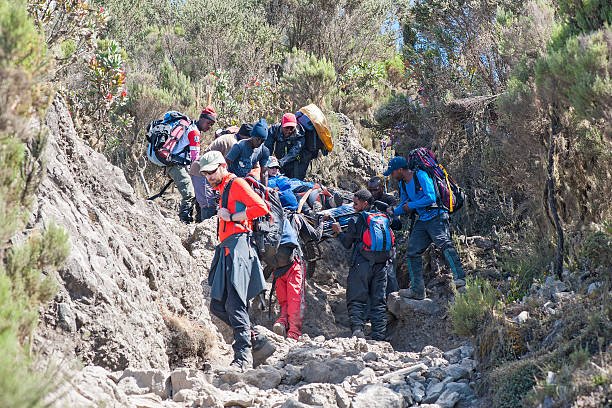
A guide or assistant guide may have to accompany a climber lower while the rest of the group continues.
This can require additional coordination.
Tip decisions should consider the service actually provided rather than only the final altitude reached.
Guide Tips after an Emergency
An emergency can require additional guide attention and logistical support.
A traveller may choose to recognize exceptional assistance with an additional personal gratuity.
This remains optional and should be separate from the planned crew distribution.
Do You Tip before or after the Climb?
Tips are normally given after or near the end of the expedition rather than before the climb begins.
This allows travellers to recognize the service provided throughout the trek.
Budgeting should still happen before departure.
Do Not Wait Until the Gate to Start Calculating
The final descent can be tiring and busy.
There may also be gate procedures and transfers to organize.
Calculate the group's planned tip before the final morning where practical.
What Should You Ask before Booking?
- Are tips included or excluded?
- What tipping range should I budget?
- How many days is the climb?
- Is the climb private or group joining?
- How is the crew gratuity normally distributed?
- When is the tip ceremony normally held?
- Which currencies are practical?
Questions to Ask before the Tip Ceremony
- How many lead guides are there?
- How many assistant guides?
- How many cooks?
- How many porters?
- Are there additional summit support staff?
- How will the total gratuity be divided?
Common Kilimanjaro Guide Tipping Mistakes
- Tipping only the lead guide
- Forgetting assistant guides
- Ignoring cooks and porters
- Assuming tips are included in the trek price
- Calculating before confirming the crew size
- Waiting until the final minute
- Bringing only large denomination notes
- Using summit success as the only measure of guide quality
- Replacing gratuities with damaged equipment
- Using an unclear distribution system
Kilimanjaro Guide Tip Planning Checklist
Before You Travel
- Confirm whether gratuities are excluded
- Ask for a recommended budget range
- Know your trek duration
- Know whether you are private or group joining
- Prepare cash in useful denominations
- Confirm the final crew size
- Include assistant guides in the calculation
- Include cooks and porters
- Agree the group contribution
- Understand the distribution process
- Keep gratuity money secure
- Separate optional personal gifts from the crew tip
Frequently Asked Questions
How much should I tip my Kilimanjaro guide?
Guide gratuities are normally calculated as part of the full crew tipping system. For a seven day group trek, approximately USD 350 to USD 450 per climber can be used as a practical total crew budgeting range.
Does the lead guide receive more than other crew members?
The lead guide normally receives a larger individual share because of responsibility for route management, health monitoring, coordination and mountain safety.
Do assistant guides receive tips?
Yes. Assistant guides should be included in the crew gratuity because they provide trekking and summit support alongside the lead guide.
Should I tip only my guide?
No. The wider mountain team normally includes cooks and porters who should also be included in the tipping plan.
Is the guide tip included in my Kilimanjaro price?
Normally no unless the confirmed quotation specifically states that gratuities are included.
Is tipping mandatory?
Tipping is generally treated as a customary gratuity rather than an official park fee. The final amount remains a personal decision.
When do I tip my Kilimanjaro guide?
Tips are normally organized near the end of the trek according to the procedure explained by the guide or operator.
Can I give my guide an extra personal tip?
Yes. An additional personal gratuity can be given for exceptional individual assistance after the full crew tip has been considered.
Should I tip less if I do not reach Uhuru Peak?
Not necessarily. Summit success depends on altitude, health, weather and safety decisions. A guide who recommends descent may be providing responsible professional service.
What currency should I use?
Clean US dollar notes are commonly convenient, while Tanzanian shillings can also be used according to the agreed arrangement.
Can I tip my guide in Tanzanian shillings?
Yes. Local currency can be practical, especially when the conversion from a USD based budget is clearly agreed.
Can I tip by credit card?
Cash is usually simpler for direct crew gratuities. If another payment method is required, discuss it with the operator before the trek.
Can I tip by bank transfer?
It may be possible only if arranged in advance, but cash is generally more practical for direct mountain crew distribution.
Are private guide tips higher?
The per person contribution may be higher because the required guide and crew team is divided between fewer climbers.
Are group joining tips lower per person?
They may be easier to share because the combined crew gratuity is divided among more climbers.
How much should I budget for a 7 day group climb?
Around USD 350 to USD 450 per climber can be used as a practical overall crew tipping guideline, subject to the actual group and crew arrangement.
Do longer routes require more tipping?
Longer routes involve additional mountain working days, so duration should be considered when setting the final gratuity budget.
Should I give the full tip to the lead guide?
Use the agreed transparent distribution method and make sure assistant guides, cook and porters are also included in the gratuity plan.
Can equipment replace my guide tip?
Useful equipment can be offered as an optional gift, but it should normally be treated separately from the planned monetary gratuity.
Should I tip after an early descent?
Yes, the guide and crew still provide service, and an early descent may require additional individual assistance and coordination.
How do I know how many guides are on my trek?
Ask the operator or lead guide for the confirmed crew list before the final gratuity is calculated.
What is the most important Kilimanjaro guide tipping advice?
Budget before travelling, confirm the actual crew, recognize both lead and assistant guides, include cooks and porters, and use a clear distribution system near the end of the trek.
Plan Your Kilimanjaro Guide Tips before Departure
Confirm your trek duration, group size and mountain crew before calculating gratuities, then use a transparent system that recognizes your lead guide, assistant guides, cook and porters.
Plan Your Kilimanjaro Climb

 Kilimanjaro Climb