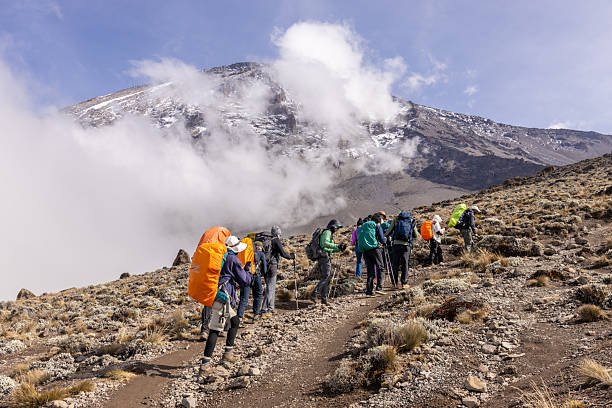
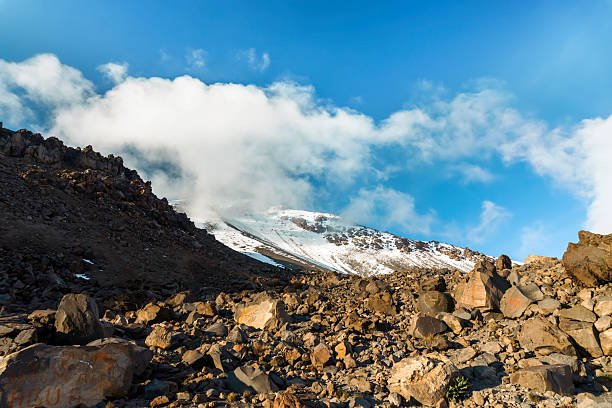
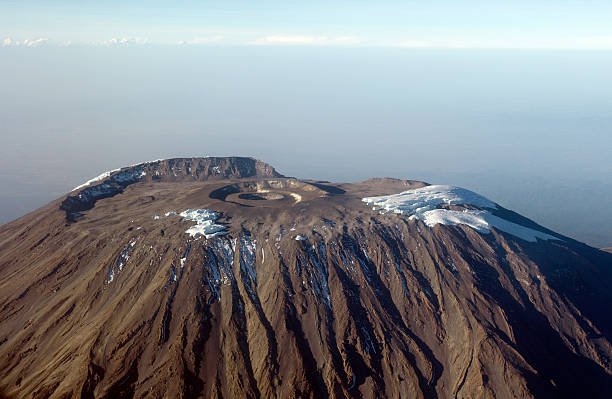
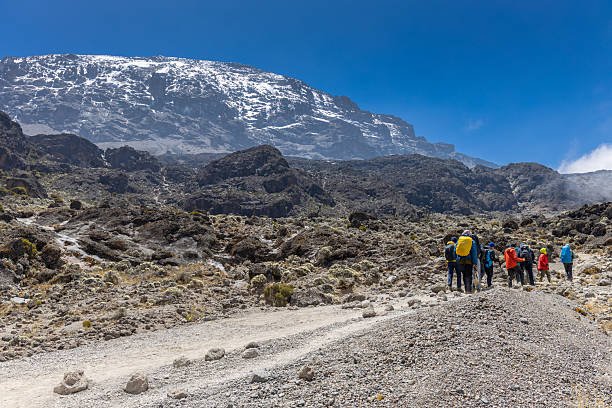
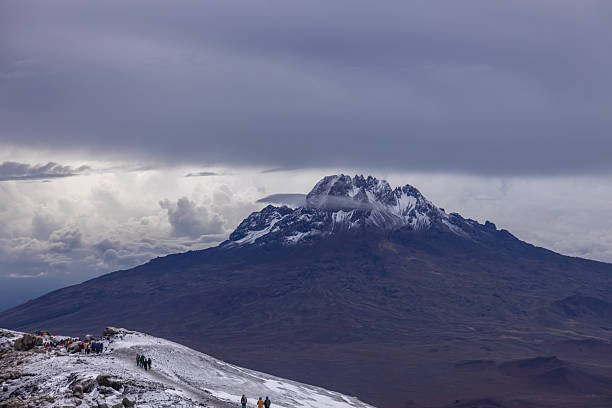
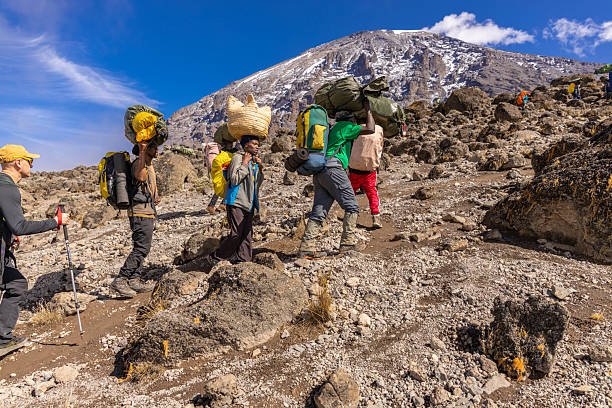
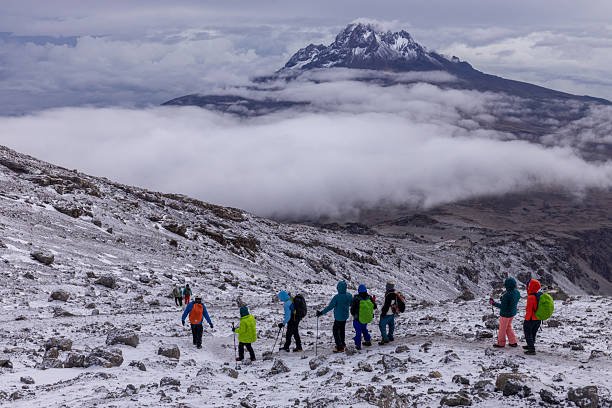
Lemosho vs Machame Route
The Lemosho vs Machame Route comparison is one of the most common decisions for travellers planning to climb Mount Kilimanjaro.
Both are camping routes, both cross scenic sections of the mountain and both commonly join the southern circuit before the final summit stage.
The main difference is how each route reaches the Shira area and how much mountain time is normally available during the early stages.
Lemosho begins from western Kilimanjaro and provides a longer approach across the Shira Plateau.
Machame begins from the southern side and climbs more directly toward Shira.
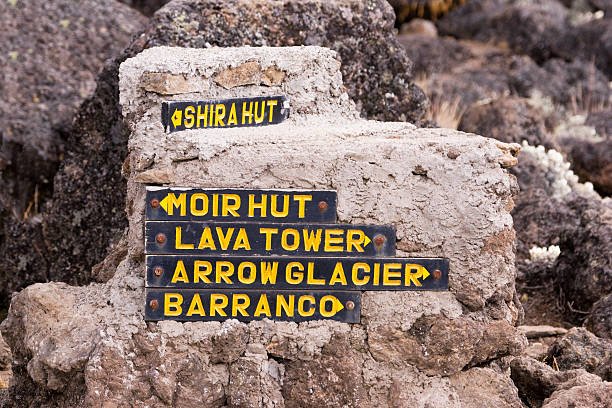
After this point, standard itineraries share important sections including Lava Tower, Barranco Wall, Karanga and Barafu before the summit attempt.
Lemosho vs Machame at a Glance
- Lemosho approach: Western Kilimanjaro
- Machame approach: Southern Kilimanjaro
- Lemosho duration: Commonly 7 or 8 days
- Machame duration: Commonly 6 or 7 days
- Accommodation: Camping on both routes
- Shared upper sections: Lava Tower, Barranco, Karanga and Barafu on standard longer itineraries
- Descent: Mweka Route
What Is the Main Difference Between Lemosho and Machame?
The biggest difference is the beginning of the climb.
Lemosho starts farther west and approaches Kilimanjaro through a quieter western forest before reaching Shira Plateau.
Machame starts from the south and climbs through dense rainforest toward the Shira area more directly.
Once the routes reach the higher southern circuit, their itineraries become much more similar.
This means travellers comparing Lemosho and Machame should focus particularly on the first mountain days, total itinerary length and how much time they want to spend before reaching the shared upper route.
Main Differences
- Different starting gates and approaches
- Lemosho provides a longer western approach
- Machame reaches Shira more directly
- Lemosho often uses more mountain days
- Lemosho spends more time crossing Shira Plateau
- Machame is commonly available as a 6 or 7 day itinerary
- Both eventually join the southern circuit
Lemosho Route Overview
Lemosho begins on western Kilimanjaro and initially passes through rainforest before reaching higher heath and moorland.
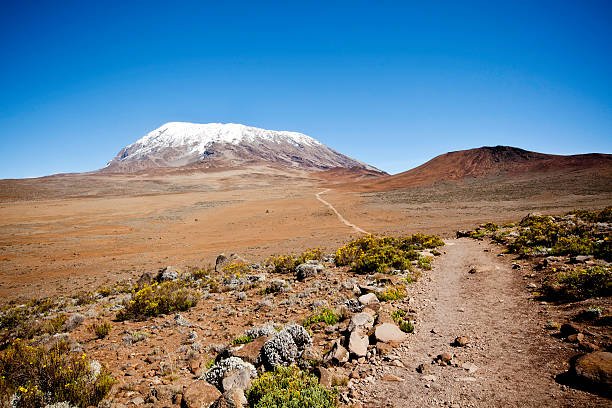
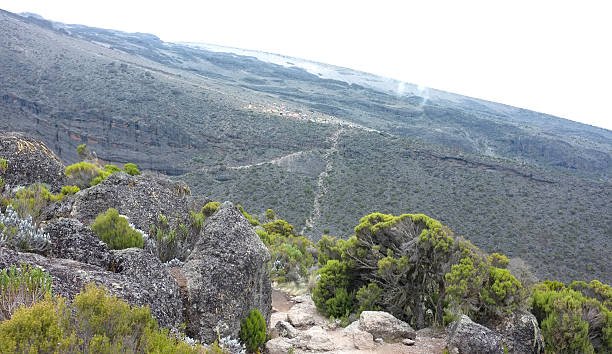
The route then crosses Shira Plateau, one of the most distinctive landscapes on the mountain.
Longer itineraries can use separate nights around Shira before progressing toward Lava Tower.
From Lava Tower, climbers descend toward Barranco and later continue through Karanga to Barafu.
After the summit attempt, descent normally follows the Mweka Route.
Typical 8 Day Lemosho Itinerary
- Day 1: Lemosho trailhead to Mti Mkubwa
- Day 2: Mti Mkubwa to Shira 1
- Day 3: Shira 1 to Shira 2
- Day 4: Shira 2 via Lava Tower to Barranco
- Day 5: Barranco to Karanga
- Day 6: Karanga to Barafu
- Day 7: Summit and descend to Mweka
- Day 8: Mweka Gate and Moshi
Machame Route Overview
Machame begins from the southern side of Mount Kilimanjaro.
The first day passes through rainforest before climbers continue toward Shira.
From Shira, the route normally progresses toward Lava Tower and descends to Barranco.
Longer Machame itineraries then continue through Barranco Wall, Karanga and Barafu before summit day.
The descent follows the Mweka side of the mountain.
Typical 7 Day Machame Itinerary
- Day 1: Machame Gate to Machame Camp
- Day 2: Machame Camp to Shira Camp
- Day 3: Shira via Lava Tower to Barranco
- Day 4: Barranco to Karanga
- Day 5: Karanga to Barafu
- Day 6: Summit and descend to Mweka
- Day 7: Mweka Gate and Moshi
Lemosho vs Machame for Acclimatisation
Acclimatisation is strongly influenced by itinerary length.
An eight day Lemosho schedule usually provides more mountain time than a six or seven day Machame program.
The longer western approach allows climbers to spend additional time progressing through Shira before reaching Lava Tower and Barranco.
However, a well structured seven day Machame itinerary also provides important acclimatisation stages, including Lava Tower and a separate Karanga overnight.
It is therefore more accurate to compare an eight day Lemosho itinerary with a seven day Machame itinerary than to judge acclimatisation only by route name.
Lemosho vs Machame Scenery
Both routes offer excellent landscape variety.
Lemosho has an advantage in the early stages because the western approach gives climbers more time across Shira Plateau.
Machame reaches Shira from the south and then shares many of the same dramatic upper mountain sections.
After the routes merge, both can experience Lava Tower, Barranco Wall, Karanga Valley and the high alpine landscape around Barafu.
Scenic Highlights
- Lemosho: Western rainforest
- Lemosho: Extended Shira Plateau crossing
- Machame: Dramatic southern rainforest approach
- Both: Shira landscape
- Both: Lava Tower
- Both: Barranco Valley
- Both: Barranco Wall
- Both: Karanga and southern Kibo views
Shira Plateau Comparison
The Shira Plateau is one of the major differences between the routes during the first part of the climb.
Lemosho reaches the plateau from the western side and can spend more time crossing it.
Machame climbs toward Shira from the southern forest and joins the higher landscape more directly.
Travellers who specifically want a longer Shira Plateau experience may find the Lemosho approach particularly attractive.
Lava Tower on Lemosho and Machame
Standard longer versions of both routes normally use the Lava Tower stage.
Climbers reach higher elevation during the day and later descend toward Barranco.
This creates an important altitude exposure stage within both itineraries.
It also means that after the routes merge, their acclimatisation profile becomes increasingly similar.
Barranco Wall Comparison
Both Lemosho and Machame normally include Barranco Wall.
The wall is steep and involves sections where climbers may use their hands for balance.
It is not normally considered technical rock climbing on the standard route.
For travellers wanting the Barranco Wall experience, both Lemosho and Machame are suitable options.
Karanga Camp
Longer Lemosho and Machame itineraries normally use Karanga as a separate overnight before Barafu.
This provides another stage between Barranco and summit preparation camp.
Shorter route variations may compress this section.
Travellers comparing packages should therefore check whether Karanga is an overnight camp rather than assuming all itineraries with the same route name are identical.
Barafu Summit Preparation
Standard Lemosho and Machame itineraries commonly prepare for the summit from Barafu.
By this stage, both routes have merged onto the same upper mountain progression.
Climbers prepare warm clothing, headlamps, water and personal summit equipment before resting.
The final ascent remains physically demanding regardless of which route was used to reach Barafu.
Which Route Is Less Crowded?
Lemosho often provides a quieter experience during the first western stages.
Machame is one of Kilimanjaro's most widely used routes, particularly during popular climbing periods.
However, once Lemosho joins the southern circuit, both routes share sections with climbers approaching from other trails.
Neither route should therefore be marketed as completely uncrowded.
Which Route Is More Difficult?
Difficulty depends on itinerary length, fitness, weather and altitude response.
Machame reaches the Shira area more directly, while Lemosho uses a longer western approach.
An eight day Lemosho itinerary may feel more gradual because the total route is distributed across more mountain days.
Both routes nevertheless involve long trekking days, Barranco Wall, high altitude and a demanding summit stage.
Lemosho vs Machame Success Rate
Published summit success statistics vary between operators and should not be treated as guaranteed universal figures.
Longer itineraries are generally associated with stronger acclimatisation opportunities.
This is why eight day Lemosho is often associated with favourable summit outcomes.
Seven day Machame can also provide a stronger acclimatisation schedule than the shorter six day version.
Individual altitude response remains the most important uncertainty.
7 Day Lemosho vs 7 Day Machame
When both routes use seven days, the comparison becomes more balanced.
Lemosho still offers the western approach and a longer Shira experience.
Machame starts closer to the southern circuit and reaches Shira more directly.
Both can include Lava Tower, Barranco and summit preparation from Barafu.
The final choice may therefore depend more on scenery, early route experience, availability and price.
8 Day Lemosho vs 7 Day Machame
This is a particularly useful comparison for travellers choosing between a longer and slightly shorter Kilimanjaro program.
Eight day Lemosho provides an additional mountain day and normally keeps more stages separate.
Seven day Machame provides a complete southern circuit itinerary within one fewer mountain day.
The Lemosho package will normally cost more because it requires another day of mountain support.
8 Day Lemosho vs 7 Day Machame
- Lemosho: One additional mountain day
- Lemosho: Longer western approach
- Lemosho: More time around Shira
- Machame: Shorter total itinerary
- Machame: Southern approach
- Both: Barranco and Karanga in standard longer schedules
- Both: Camping throughout the ascent
Lemosho vs Machame Price
Lemosho is generally priced higher than a shorter Machame itinerary because it can require more mountain days and additional western trailhead logistics.
Machame is commonly available over six or seven days, while Lemosho is commonly offered over seven or eight days.
The final price also depends on whether the climb is private or group joining, the number of climbers and which hotels or transfers are included.
Why Lemosho Can Cost More
Lemosho Cost Factors
- Longer common itineraries
- Additional mountain meals
- Additional guide and porter days
- Western Kilimanjaro trailhead transport
- Additional camping nights
- Longer overall expedition logistics
Which Route Is Better for First Time Climbers?
Both routes can be considered by first time Kilimanjaro climbers who prepare properly.
Eight day Lemosho provides more mountain time and a gradual western approach.
Seven day Machame can also provide a strong itinerary while requiring one fewer trekking day.
First time climbers should avoid choosing only according to which trail appears easiest because altitude response is not determined by route popularity or physical fitness alone.
Which Route Is Better for Experienced Hikers?
Experienced hikers may enjoy either route.
Lemosho provides additional landscape variety during the western approach, while Machame delivers a more direct transition toward the southern circuit.
Experience can improve trekking confidence, but it does not remove the need for altitude acclimatisation.
Which Route Is Better for Solo Travellers?
Solo travellers can join scheduled departures on either Lemosho or Machame.
Machame often has strong group joining availability because it is widely used.
Lemosho group departures are also available on selected dates.
The best practical option may depend on the departure schedule that matches your arrival and available travel days.
Which Route Is Better for Couples?
Couples can join a scheduled departure or book privately on either route.
Lemosho can suit couples wanting a longer scenic journey, while Machame can suit those with fewer available mountain days.
Private departures provide additional flexibility when coordinating the wider Tanzania itinerary.
Private Lemosho vs Private Machame
A private climb means the guide and crew arrangements are organised for your travel party.
It does not mean that official camps are private because other expeditions can use the same designated camping areas.
Lemosho provides a longer western approach, while private Machame provides a shorter southern route with flexible departure scheduling.
Group Joining Lemosho vs Machame
Group joining allows travellers from separate bookings to trek together.
Both routes can be offered as scheduled group departures.
Machame can have frequent departure options because of its popularity, while Lemosho is also widely used for longer group climbs.
Always check the number of mountain days before joining because a six day Machame group is substantially different from an eight day Lemosho group.
Camping Experience
Both Lemosho and Machame use camping rather than mountain huts.
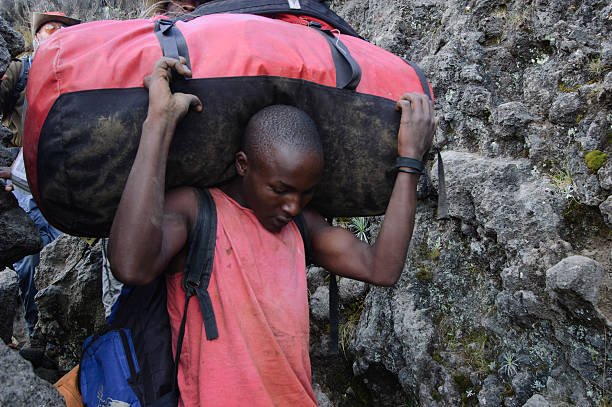
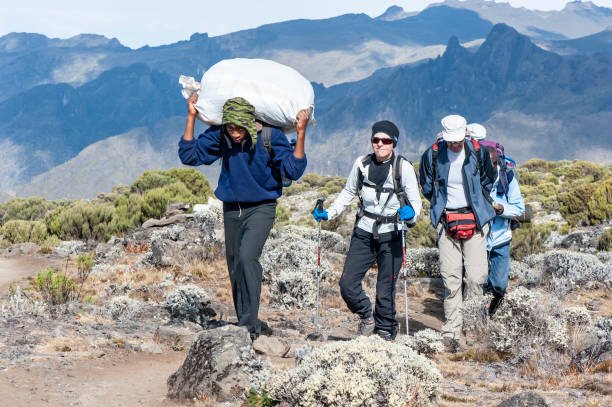
The crew transports tents, food and group equipment between camps.
Climbers normally carry a daypack containing water, clothing and personal items required during each trekking day.
A suitable warm sleeping bag is required for both routes.
Single Tent Option
A single sleeping tent can be requested on either route where available.
This can suit solo travellers or climbers wanting additional privacy.
A supplement may apply because additional camping equipment needs to be transported throughout the expedition.
Private Portable Toilet
A private portable toilet can be added to selected Lemosho and Machame camping packages.
The equipment requires transportation and porter support throughout the route.
It can therefore be included in selected packages or quoted as an optional service.
Guide and Crew Support
Both routes require professional mountain guides, porters and cooking support according to expedition structure.
The lead guide manages walking pace, daily briefings, health monitoring and summit decisions.
Assistant guides can be added according to group size.
Typical Mountain Support
- Lead Kilimanjaro guide
- Assistant guides according to group size
- Porters
- Mountain cook
- Camping support
- Daily route briefings
- Altitude monitoring
- Summit support
Altitude Monitoring on Both Routes
Altitude remains the main uncertainty on both Lemosho and Machame.
Climbers should report headaches, nausea, dizziness, unusual fatigue or other concerning symptoms early.
Physical fitness improves hiking endurance but does not guarantee comfortable acclimatisation.
Health decisions should take priority over summit expectations.
Training Requirements
The physical preparation for Lemosho and Machame is broadly similar.
Both involve consecutive trekking days, significant elevation gain and a long summit stage.
Prepare with
- Regular hiking
- Long endurance walks
- Hill or stair training
- Leg strength
- Core stability
- Walking with a daypack
- Consecutive hiking days
Equipment Requirements
Because both are camping routes and reach the same high altitude summit environment, equipment requirements are very similar.
Climbers need layered clothing, waterproof protection, warm summit equipment, trekking boots, a daypack and an appropriate sleeping bag.
Selected equipment can be rented in Moshi where available.
Typical Package Inclusions
- Professional guides
- Porter support
- Mountain cook
- Mountain meals
- Camping equipment where included
- Park and mountain arrangements listed in the package
- Trailhead transportation where included
- Return transfer from Mweka Gate where included
- Pre climb briefing
- Equipment inspection
- Safety equipment according to expedition setup
Typical Package Exclusions
- International flights
- Tanzania visa
- Travel and evacuation insurance
- Personal trekking equipment
- Rental equipment unless included
- Extra hotel nights
- Airport transfers where excluded
- Single tent supplement where applicable
- Private portable toilet unless included
- Crew tips
- Personal expenses
- Safari or Zanzibar unless added separately
Moshi Logistics
Both routes can be organised from Moshi.
A pre climb hotel night provides time for rest, guide briefing and equipment checking.
After completing the climb at Mweka Gate, travellers can return to Moshi for accommodation, safari or onward travel according to the confirmed package.
Airport Transfers
Kilimanjaro International Airport transfers can be included in selected packages or arranged separately.
Travellers should confirm whether both arrival and departure transportation are included when comparing Lemosho and Machame quotations.
Lemosho or Machame with Safari
Either route can be combined with a Tanzania safari after the climb.
The choice of mountain route does not restrict access to the northern safari circuit after returning to Moshi.
Popular Post Climb Safari Destinations
- Tarangire National Park
- Lake Manyara National Park
- Ngorongoro Crater
- Serengeti National Park
- Private safari
- Group joining safari
Lemosho or Machame with Zanzibar
Zanzibar can be added after either climb or after a combined Kilimanjaro and safari itinerary.
The coastal extension can provide recovery time after several days of mountain trekking.
How to Choose Between Lemosho and Machame
Choose according to the overall itinerary rather than one single feature.
If you have eight mountain days and value the longer western approach and Shira Plateau, Lemosho can be attractive.
If you have seven days and want a scenic established southern approach, Machame can be a practical alternative.
Group departure availability and package cost may also influence the final decision.
Route Selection Checklist
- How many mountain days do you have?
- Do you want the longer western approach?
- Is extended Shira Plateau trekking important?
- Do you prefer a more direct southern approach?
- Do you want private or group joining?
- What is your complete package budget?
- Are hotels and airport transfers included?
- Are you adding safari or Zanzibar?
Frequently Asked Questions
What is the main difference between Lemosho and Machame?
Lemosho begins from western Kilimanjaro and provides a longer approach across Shira, while Machame begins from the south and reaches the Shira area more directly.
Do Lemosho and Machame use the same summit route?
Standard itineraries eventually join the same southern circuit and commonly prepare for the summit from Barafu before descending through Mweka.
Which route has more mountain days?
Lemosho is commonly offered over seven or eight days, while Machame is commonly offered over six or seven days.
Which route is more scenic?
Both offer excellent scenery. Lemosho provides a longer western and Shira Plateau approach, while both share dramatic upper sections such as Lava Tower and Barranco.
Which route is less crowded?
Lemosho can be quieter during its early western stages. After joining the southern circuit, it shares trail sections with climbers from other routes.
Do both routes include Lava Tower?
Standard longer Lemosho and Machame itineraries normally pass through the Lava Tower area before descending to Barranco.
Do both routes include Barranco Wall?
Yes. Standard Lemosho and Machame itineraries normally include Barranco Wall.
Do both routes use tents?
Yes. Lemosho and Machame are camping routes.
Which route is better for acclimatisation?
Itinerary length is more important than the route name alone. An eight day Lemosho itinerary provides more mountain time than a six or seven day Machame itinerary, while seven day Machame still offers a useful longer schedule.
Which route is easier?
Neither route is easy at high altitude. Lemosho can provide a more gradual schedule when completed over eight days, but both require fitness, preparation and careful altitude management.
Which route is better for beginners?
Both can suit first time climbers. Longer itineraries such as eight day Lemosho and seven day Machame provide more mountain time than compressed alternatives.
Is Lemosho more expensive than Machame?
Lemosho can cost more because it commonly uses additional mountain days and a longer western approach. Exact prices depend on group size and package inclusions.
Can solo travellers join both routes?
Yes. Scheduled group joining departures can be available on both Lemosho and Machame.
Can both routes be private?
Yes. Private Lemosho and Machame expeditions can be organised for solo travellers, couples, families and groups.
Can I add safari after either route?
Yes. Tarangire, Lake Manyara, Ngorongoro and Serengeti can be added after either Kilimanjaro climb.
Can I add Zanzibar after Lemosho or Machame?
Yes. Zanzibar can be added after either route or after a combined Kilimanjaro and safari itinerary.
Compare Lemosho and Machame for Your Kilimanjaro Climb
Choose between the longer western Lemosho approach and the established southern Machame Route according to trekking days, scenery, acclimatisation, group availability and budget.
Plan a private or group joining climb with optional Moshi hotels, airport transfers, equipment rental, single tents, private toilet, Tanzania safari and Zanzibar extensions.
Compare Lemosho and Machame

 Kilimanjaro Climb