Kilimanjaro Route with Hut Accommodation
The Kilimanjaro Route with Hut Accommodation is the Marangu Route. It is the standard Kilimanjaro route for travellers who prefer sleeping inside permanent mountain huts rather than using tents throughout the expedition.
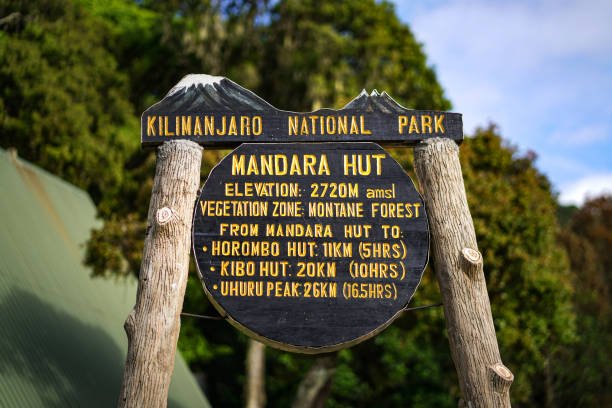
Marangu approaches Mount Kilimanjaro from the southeastern side and uses three principal overnight mountain stations: Mandara Hut, Horombo Hut and Kibo Hut.
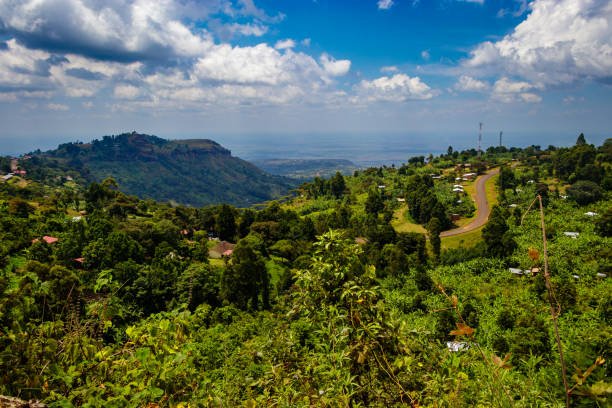
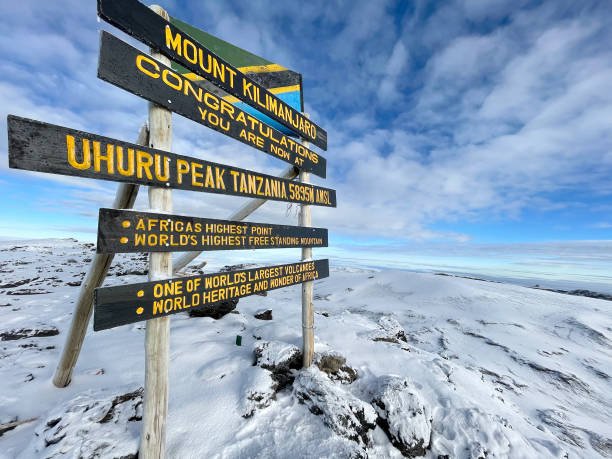
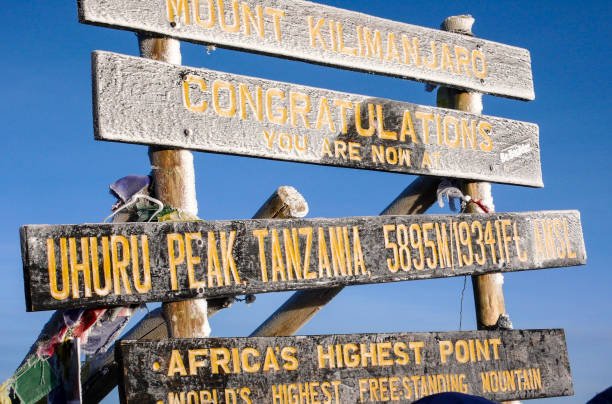
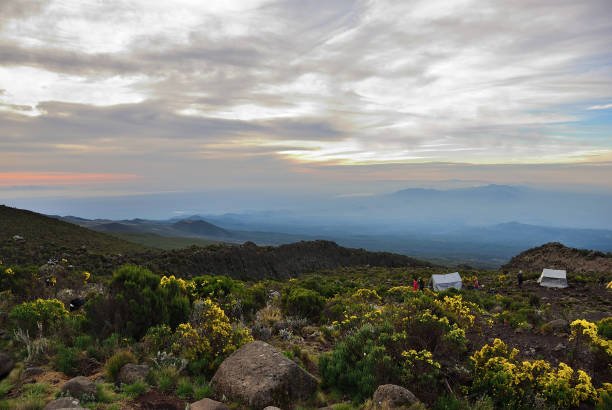
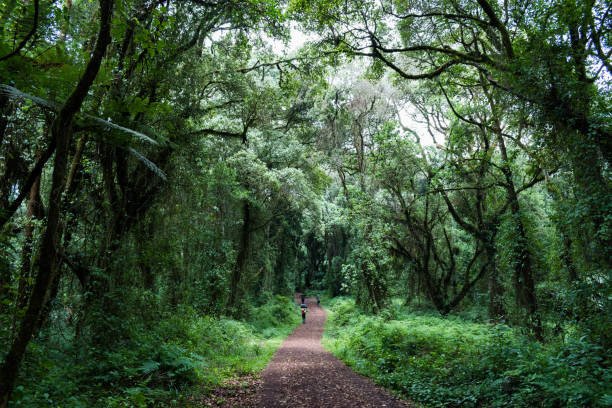
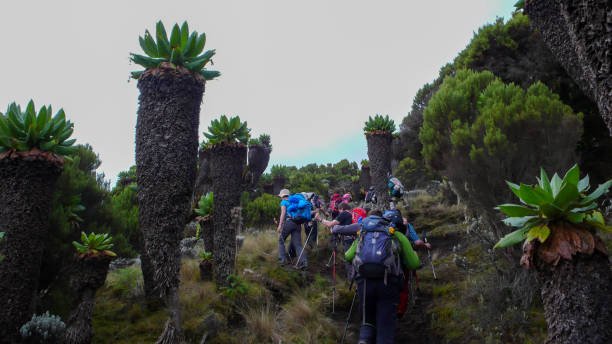
The route travels from humid montane forest through heath and moorland into increasingly barren alpine terrain before reaching Kibo Hut, where climbers prepare for the summit attempt toward Uhuru Peak at approximately 5,895 metres.
Unlike Machame, Lemosho, Northern Circuit and most other Kilimanjaro routes, Marangu does not require standard tent camping for the usual itinerary. This makes it particularly attractive to travellers who are comfortable with shared dormitory accommodation but would prefer not to sleep in tents.
Kilimanjaro Hut Route at a Glance
- Route: Marangu Route
- Accommodation: Permanent mountain huts
- First overnight: Mandara Hut
- Main middle camp: Horombo Hut
- Summit preparation camp: Kibo Hut
- Typical duration: 5 or 6 days
- Recommended consideration: Additional acclimatization time where possible
- Summit objective: Uhuru Peak, approximately 5,895 m
- Technical climbing: Normally not required on the standard route
Which Kilimanjaro Route Has Huts?
Marangu is the Kilimanjaro route specifically known for permanent hut accommodation.
The main overnight huts are Mandara, Horombo and Kibo. Climbers sleep inside shared structures rather than having individual trekking tents erected at each overnight stop.
This makes Marangu substantially different from routes such as Machame and Lemosho, where sleeping tents form part of the normal mountain accommodation system.
Main Marangu Huts
- Mandara Hut: First mountain overnight in the forest zone.
- Horombo Hut: Higher mountain station used during ascent and again during descent.
- Kibo Hut: High altitude hut used before the summit attempt.
What Are the Kilimanjaro Huts Like?
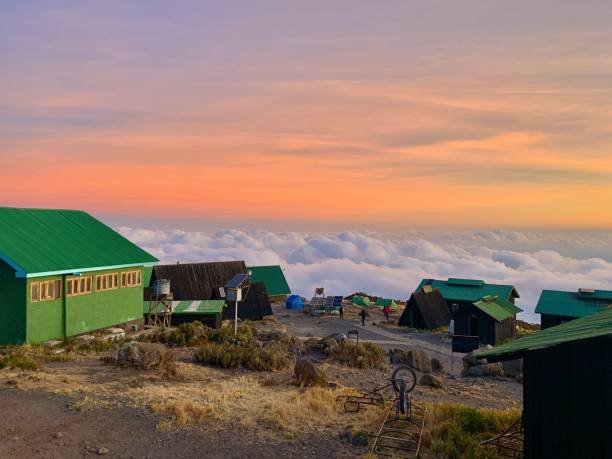
The huts provide practical mountain shelter rather than luxury accommodation.
Sleeping arrangements are communal and dormitory style. Depending on the particular hut and room arrangement, trekkers share sleeping areas with other climbers.
The huts therefore provide protection from wind and rain, but travellers should not expect private bedrooms, hotel service or ensuite bathrooms.
Facilities become increasingly basic as the route climbs higher toward Kibo.
Are the Huts Private?
No. Standard Marangu hut accommodation is shared.
Travellers who require complete sleeping privacy should consider carefully whether shared dormitory style accommodation matches their expectations.
A private climbing departure means your guides and expedition are organised for your own party, but it does not normally turn the national park huts into private rooms.
Do You Need a Sleeping Bag in the Huts?
Yes. Hut accommodation does not remove the need for a suitable warm sleeping bag.
The sleeping structure protects you from direct exposure to outdoor weather, but temperatures at altitude can still become very cold.
Bring an appropriate Kilimanjaro sleeping bag or arrange rental in Moshi subject to availability.
Are Mattresses Provided?
Marangu hut sleeping arrangements normally provide basic mattresses on the sleeping platforms or bunks.
You should still bring your own warm sleeping bag and personal sleeping accessories required for comfort.
During your pre climb briefing, confirm the exact current hut arrangements for your departure.
Marangu versus Camping Routes
| Feature |
Marangu |
Machame / Lemosho |
| Mountain sleeping |
Huts |
Tents |
| Sleeping environment |
Shared dormitory style |
Shared or single tents according to package |
| Sleeping bag |
Required |
Required |
| Main accommodation advantage |
Permanent shelter |
More private sleeping arrangement possible |
| Typical route duration |
5 or 6 days |
Varies by route |
5 Day or 6 Day Marangu?
Marangu is commonly offered as either a five day or six day mountain itinerary.
The 5 day schedule is more compressed and progresses from Mandara to Horombo and then relatively quickly toward Kibo.
The 6 day itinerary normally includes an additional acclimatization day around Horombo before continuing toward Kibo Hut.
For high altitude trekking, an extra day can provide valuable additional altitude exposure and recovery time, although it still cannot guarantee that every climber will acclimatize successfully.
Typical 6 Day Marangu Hut Itinerary
Six Day Hut Route Flow
- Day 1: Marangu Gate to Mandara Hut.
- Day 2: Mandara Hut to Horombo Hut.
- Day 3: Acclimatization around Horombo and return to Horombo Hut.
- Day 4: Horombo Hut to Kibo Hut.
- Day 5: Kibo Hut to the summit attempt and descend to Horombo Hut.
- Day 6: Horombo Hut to Marangu Gate.
Day 1: Marangu Gate to Mandara Hut
The expedition begins at Marangu Gate after registration and final preparations.
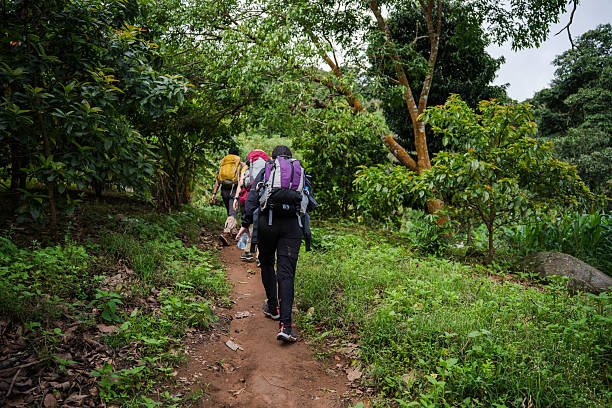
The first trekking stage travels through the montane rainforest toward Mandara Hut.
The lower mountain can be humid and rainy, so waterproof clothing should remain accessible even though you will sleep inside a hut at the end of the day.
After arriving, organise your sleeping bag, change into dry clothing and prepare for the evening meal and health assessment.
Mandara Hut
Mandara is the first overnight hut on the standard Marangu ascent.
It sits within the lower mountain environment and introduces climbers to the communal hut system used throughout the route.
Use the first night to become comfortable with your sleeping bag, equipment organisation and shared accommodation routine.
Day 2: Mandara Hut to Horombo Hut
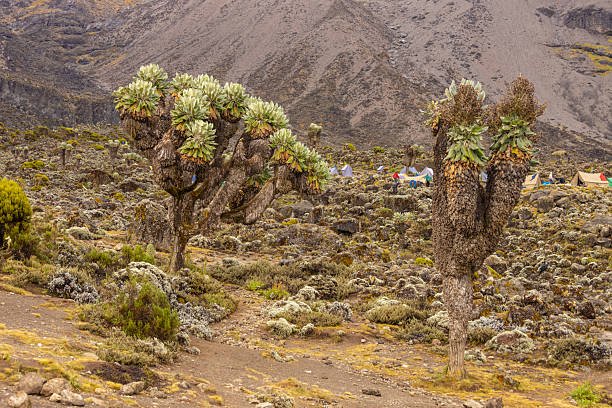
After breakfast, leave the forest and continue into increasingly open heath and moorland.
Views toward Mawenzi and Kibo can appear as the vegetation becomes shorter and the trail climbs higher.
The increase in altitude becomes more noticeable, so maintain the controlled pace established by your guide.
Horombo Hut
Horombo is an important mountain station on the Marangu Route.
It is used by ascending climbers and is also normally used again after the summit attempt during descent.
On a 6 day itinerary, Horombo also provides the base for the additional acclimatization day.
Day 3: Horombo Acclimatization Day
The additional day does not simply mean remaining inactive inside the hut.
A guided acclimatization walk can take climbers to a higher elevation before returning to Horombo to sleep.
This provides additional altitude exposure while allowing another night of recovery before progressing toward Kibo.
The exact acclimatization walk can depend on conditions and the itinerary selected for your departure.
Why the Extra Horombo Day Matters
Altitude adaptation requires time.
The six day Marangu itinerary gives the body an additional day before continuing into the much higher alpine environment around Kibo.
This does not eliminate altitude risk, but it provides additional acclimatization opportunity compared with a more compressed five day schedule.
Day 4: Horombo Hut to Kibo Hut
Leave Horombo and travel through increasingly sparse high altitude terrain.
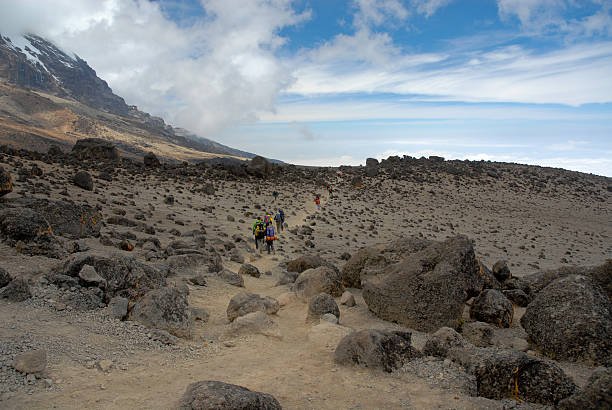
The trail crosses the broad Saddle area between Mawenzi and Kibo before reaching Kibo Hut.
The landscape is much more barren than the lower mountain and temperatures can become significantly colder.
Once at Kibo Hut, the priority becomes eating, hydrating, preparing summit clothing and resting before the night ascent.
Kibo Hut
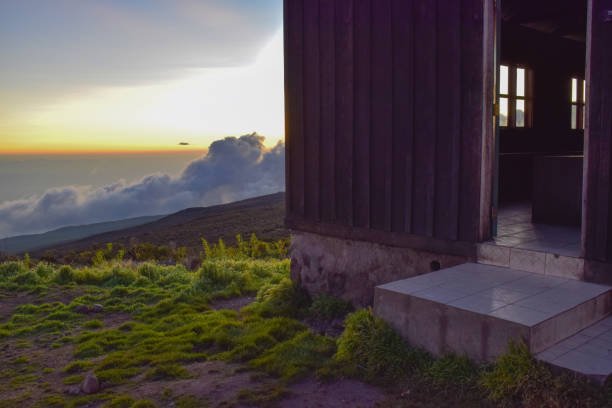
Kibo is the final standard hut before the summit attempt.
Facilities are basic and the altitude makes even ordinary movements feel more demanding.
Organise your equipment before resting so that you are not trying to find gloves, headlamps or warm layers in the middle of the night.
Prepare at Kibo Hut
- Prepare base layers.
- Prepare warm insulation layers.
- Organise your outer summit jacket.
- Check warm gloves.
- Prepare your warm hat.
- Check headlamp and batteries.
- Prepare water.
- Keep personal snacks accessible.
- Prepare trekking poles.
- Complete the health assessment honestly.
Day 5: Kibo Hut to Uhuru Peak to Horombo Hut
Wake during the night and prepare for the most demanding stage of the Marangu itinerary.
The summit ascent begins slowly through very high altitude terrain.
Cold temperatures, darkness, loose ground and reduced oxygen availability make the climb physically and mentally demanding.
Climbers who remain in suitable condition continue toward the crater rim and onward toward Uhuru Peak at approximately 5,895 metres.
Reaching the summit cannot be guaranteed. Health and guide safety decisions take priority over reaching the highest point.
After the summit attempt, descend substantially and return toward Horombo Hut for the final mountain overnight.
Day 6: Horombo Hut to Marangu Gate
After breakfast, continue downward through moorland and forest toward Marangu Gate.
The air becomes warmer as elevation decreases.
Complete the mountain exit procedures at the gate before meeting your arranged transportation back toward Moshi.
Does Hut Accommodation Make Kilimanjaro Easy?
No.
Sleeping in a permanent building can remove some of the discomfort associated with tent camping, but it does not change the altitude of Kilimanjaro.
You still need to walk for several consecutive days, experience cold high altitude conditions and complete a demanding summit ascent and descent.
Marangu should therefore not be treated as an easy holiday simply because huts are available.
Does Marangu Require Technical Climbing?
The standard Marangu Route normally does not require technical rock or ice climbing skills.
It is a high altitude trek, but high altitude itself creates a serious physical challenge.
Good preparation, appropriate equipment and responsible pacing remain essential.
Altitude and Acclimatization
The Marangu Route gains substantial elevation within a relatively short period.
Climbers should avoid assuming that a gradual looking trail means altitude is no longer a concern.
Walking slowly, taking an additional acclimatization day where possible and communicating symptoms honestly are important parts of the expedition.
Daily Health Monitoring
Our mountain procedures include regular individual health assessments throughout the climb.
Guides consider headache, nausea, appetite, energy, sleep, breathing and overall walking condition.
A pulse oximeter provides additional information, but the reading is considered together with symptoms and general condition rather than being treated as one universal pass or fail number.
Marangu Safety Support
- Professional Kilimanjaro guides
- Controlled trekking pace
- Regular individual health assessments
- Pulse oximeter monitoring
- Emergency oxygen
- First aid equipment
- Altitude symptom monitoring
- Summit assistance according to expedition requirements
- Descent assistance when necessary
Emergency Oxygen
Emergency oxygen forms part of our mountain safety equipment.
It is intended for emergency management and should not be viewed as a method for forcing an unwell climber to continue toward the summit.
If descent becomes necessary, safety takes priority over the summit objective.
Guide and Porter Support
The Marangu expedition includes professional guides and a supporting mountain crew according to the number of climbers.
Porters carry permitted client luggage, food and shared expedition supplies.
Our standard porter carried personal client duffel allowance is approximately 15 kg per climber.
You carry your own daypack containing water, clothing and personal items needed during each walking stage.
Mountain Meals on Marangu
A mountain cook prepares meals throughout the expedition according to the confirmed package.
Breakfast, lunch and dinner are arranged around the trekking schedule.
Marangu huts provide communal areas that can be used for meal times.
Vegetarian and other dietary requirements should be communicated before departure.
What to Pack for a Hut Route
Travelling on a hut route does not mean you can pack as though you are staying in hotels.
- Well fitted hiking boots
- Warm sleeping bag
- Base layers
- Warm mid layers
- Insulated summit jacket
- Waterproof jacket
- Waterproof trousers
- Warm gloves
- Warm hat
- Headlamp
- Trekking poles
- Daypack
- Water bottles or hydration system
- Personal toiletries
- Personal medication
Sleeping Bag Rental
Travellers who do not own a suitable high altitude sleeping bag can request rental equipment in Moshi subject to size and availability.
Even though the Marangu Route uses huts, a warm sleeping bag remains one of the most important pieces of sleeping equipment.
Can Solo Travelers Use the Huts?
Yes. Solo travellers can book a private departure or join an available Marangu group.
However, hut sleeping areas remain communal, so joining a private expedition does not normally guarantee a private sleeping room inside the huts.
Group Joining Marangu
Group joining is suitable for solo travellers and individuals who are comfortable sharing the expedition with other booked climbers.
Everyone follows the confirmed Marangu itinerary while sleeping at the designated huts.
Airport pickup and Moshi hotel arrangements can still be organised individually according to arrival flights.
Private Marangu Climb
A private hut based Kilimanjaro climb can be arranged for couples, families, friends or solo travellers.
The guides and mountain logistics are organised for your own party, providing greater flexibility with the departure date.
The hut accommodation itself remains part of the national park mountain infrastructure rather than becoming a private lodge.
Starting from Moshi
Moshi is a convenient base before climbing the Marangu Route.
Travellers can stay in town before the mountain departure, complete an equipment check and travel by arranged vehicle toward Marangu Gate.
Kilimanjaro International Airport pickup can also be included according to the package.
After the Marangu Route
After completing the descent at Marangu Gate, return toward Moshi for a shower and rest.
You can then continue toward Kilimanjaro International Airport or add another Tanzania experience.
Safari extensions can include Tarangire, Ngorongoro, Serengeti and Lake Manyara, while Zanzibar can be added after the mountain or after a combined climb and safari itinerary.
Typical Package Inclusions
- Professional Kilimanjaro guides
- Porters according to expedition requirements
- Mountain cook
- Applicable mountain charges stated in your quotation
- Mandara Hut accommodation
- Horombo Hut accommodation
- Kibo Hut accommodation
- Mountain meals
- Drinking water arrangements
- Regular health assessments
- Pulse oximeter monitoring
- Emergency oxygen
- First aid equipment
- Pre climb briefing
- Equipment check
- Mountain transfers where stated
- Moshi hotel accommodation where included
- Airport transfers where included
Typical Package Exclusions
- International flights
- Visa where required
- Travel and medical insurance
- Personal trekking clothing
- Hiking boots
- Sleeping bag unless included or rented
- Rental equipment unless listed
- Additional Moshi hotel nights not listed
- Tips and gratuities
- Personal expenses
- Safari unless specifically booked
- Zanzibar unless specifically booked
Frequently Asked Questions
Which Kilimanjaro route has hut accommodation?
The Marangu Route is the standard Kilimanjaro route with permanent mountain hut accommodation.
What are the Marangu huts called?
The principal overnight stations are Mandara Hut, Horombo Hut and Kibo Hut.
Are the Kilimanjaro huts private rooms?
No. Standard Marangu accommodation is shared dormitory style rather than private hotel rooms.
Do I need a tent on Marangu?
Standard Marangu itineraries use huts, so normal sleeping tent accommodation is not required for the climber.
Do I still need a sleeping bag?
Yes. A warm sleeping bag is required because the mountain huts are not heated like normal hotel rooms and high altitude temperatures can be very cold.
Are mattresses available?
Basic mattresses are normally provided with the hut sleeping arrangements, while climbers bring or rent their own sleeping bags.
Does Marangu have bathrooms?
There are basic shared sanitation facilities at the mountain stations. Facilities become more basic at higher elevations and should not be compared with hotel bathrooms.
Is 5 Day or 6 Day Marangu better for acclimatization?
The 6 day itinerary normally adds an acclimatization day around Horombo, giving additional mountain time before continuing toward Kibo.
Does hut accommodation guarantee the summit?
No. Hut accommodation can improve shelter and sleeping convenience, but altitude response, health, weather and mountain conditions still influence the summit attempt.
Is Marangu technically difficult?
The standard route does not normally require technical mountaineering skills, but high altitude and summit night remain physically demanding.
Where do we sleep before the summit?
Kibo Hut is normally the final overnight mountain station before the summit attempt.
Where do we sleep after the summit?
The common itinerary descends to Horombo Hut after the summit attempt before the final descent to Marangu Gate.
Are mountain meals included?
Mountain meals are included when stated in the confirmed package and are prepared by the mountain cook.
Can vegetarian meals be arranged?
Yes. Vegetarian and other dietary requirements should be communicated before the climb.
Are health checks performed?
Our mountain procedures include regular health assessments and pulse oximeter monitoring throughout the trek.
Is emergency oxygen carried?
Yes. Emergency oxygen forms part of our mountain safety equipment.
Can beginners use the Marangu Route?
Properly prepared first time trekkers can consider Marangu, but they should not underestimate the altitude or the physical demands of summit night.
Can a solo traveller join a Marangu group?
Yes. Solo travellers can join available scheduled departures according to dates and availability.
Can I book Marangu privately?
Yes. Private departures can be arranged for solo travellers, couples, families and groups while hut accommodation remains shared according to park arrangements.
Can airport pickup and Moshi hotels be included?
Yes. Kilimanjaro International Airport transfers and pre or post climb Moshi accommodation can be included according to your selected package.
Can I rent a sleeping bag?
Yes. Sleeping bag rental can be arranged in Moshi subject to size and availability.
Can I add a safari afterward?
Yes. Tarangire, Ngorongoro, Serengeti and Lake Manyara can be added after the Kilimanjaro climb according to your travel schedule.
How do I book the Kilimanjaro Route with Hut Accommodation?
Send your preferred climbing dates, number of travellers and whether you prefer the 5 day or 6 day Marangu Route. You can also request airport pickup, Moshi hotels, sleeping bag rental, a private departure, safari or Zanzibar extension according to your complete Tanzania travel plan.
Climb Kilimanjaro with Hut Accommodation
Choose the Marangu Route for permanent mountain hut accommodation at Mandara, Horombo and Kibo while climbing toward Uhuru Peak with professional guide and safety support.
Request the Marangu Hut Package

 Kilimanjaro Climb