Serengeti Safari with Tarangire National Park
A Serengeti Safari with Tarangire National Park combines two of northern Tanzania's distinctive wildlife landscapes in one itinerary. Tarangire introduces travellers to elephant country, baobab trees, riverine habitats and open savannah before the journey continues toward the much larger plains and wildlife ecosystems of Serengeti National Park.
The combination is especially suitable for travellers who want more than one style of Tanzania safari experience. Tarangire can provide excellent elephant encounters and scenic baobab landscapes, while the Serengeti provides broad plains, kopjes, predators, large herbivore populations and seasonal opportunities to encounter parts of the Great Migration.
A safari can begin from Moshi or Arusha and can be arranged as a private expedition or according to available group joining departures. The number of days should reflect how much time you want inside Serengeti rather than simply trying to visit as many parks as possible.
Wildlife remains completely free ranging, so no responsible safari operator can guarantee individual species, predator activity, river crossings or exact migration locations.
Safari at a Glance
- Destinations: Tarangire National Park and Serengeti National Park
- Starting points: Moshi or Arusha
- Typical duration: 3 to 5 days or longer
- Safari style: Private or group joining according to availability
- Transport: Safari 4x4 with viewing roof
- Tarangire highlights: Elephants, baobabs, birds and riverine wildlife
- Serengeti highlights: Plains wildlife, predators, kopjes and seasonal migration activity
- Accommodation: Camping, tented camps or lodges according to package
- Wildlife guarantee: No specific sighting can be guaranteed
Why Combine Tarangire and Serengeti?
Tarangire and Serengeti provide noticeably different landscapes and safari experiences.
Tarangire contains riverine areas, woodland, open plains and impressive baobab trees. Elephant families are an important part of the park's wildlife experience, particularly where animals gather around water and productive feeding areas.
Serengeti feels much broader. Extensive plains, woodland, river systems and rocky kopjes support large numbers of herbivores and predators.
Combining the two parks creates greater habitat variety and gives travellers additional opportunities to observe wildlife behaviour across different ecosystems.
Two Parks, Two Different Safari Experiences
- Tarangire: Elephants, baobabs, river habitats, woodland and birdlife.
- Serengeti: Expansive plains, lions, cheetahs, leopards, hyenas and large grazing herds.
- Seasonal interest: Wildlife concentrations change with rainfall, grazing and water availability.
- Photography: Landscapes range from giant baobabs to open Serengeti horizons.
Tarangire National Park Safari
Tarangire is a strong introduction to northern Tanzania's wildlife.
Game drives can explore areas around the Tarangire River, open savannah, baobab covered landscapes, woodland and seasonal wetland environments.
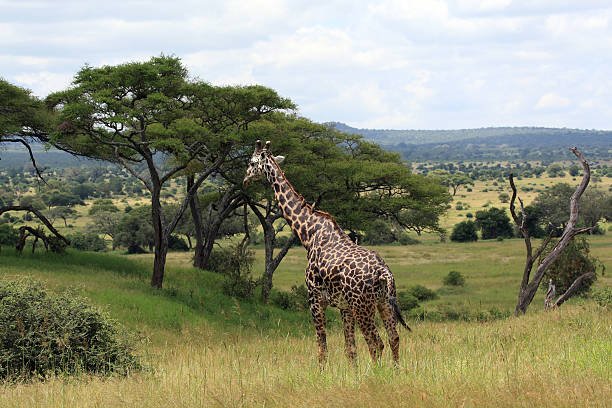
Elephants are among the park's best known animals, but visitors may also encounter giraffes, zebras, wildebeest, buffalo, impalas, warthogs and a wide variety of birds.
Lions, leopards, cheetahs and hyenas also occur within the ecosystem, although predator sightings remain unpredictable.
Tarangire Elephants
Elephant encounters are one of the principal reasons travellers include Tarangire in a northern Tanzania safari.
Families can sometimes be observed feeding beneath trees, crossing tracks or gathering around water.
Maintain a respectful viewing distance and always follow the safari guide's instructions. Wildlife should never be chased, blocked or pressured for photographs.
Tarangire Baobab Landscapes
Large baobab trees give Tarangire a distinctive appearance.
Their massive trunks and unusual shapes provide memorable photographic backgrounds, particularly when elephants or other wildlife move through the surrounding grasslands.
These landscapes create a strong visual contrast with the much broader horizons encountered later in the Serengeti.
Serengeti National Park Safari
Serengeti National Park is one of Tanzania's largest and most famous safari destinations.
The park includes enormous grassland areas as well as woodland, rivers and rocky kopjes.
Wildlife can include wildebeest, zebras, gazelles, giraffes, buffalo, elephants and many smaller species.
Predators such as lions, cheetahs, leopards and hyenas are an important part of the Serengeti ecosystem.
Central Serengeti Game Drives
Central Serengeti is commonly included in multi day northern Tanzania safari itineraries because it provides access to varied habitats and wildlife viewing areas.
Rocky kopjes can provide resting or observation areas for predators, while surrounding plains support grazing animals.
Morning and afternoon game drives allow the guide to explore different areas according to recent wildlife movement and conditions.
Serengeti Great Migration
The Great Migration is a continuous seasonal movement rather than an event permanently located in one section of Serengeti.
Wildebeest, zebras and other herbivores move through the wider ecosystem in response to rainfall, fresh grazing and water availability.
For this reason, the itinerary should be matched to the travel period if migration viewing is a major objective.
No operator should promise that a specific herd, river crossing, predator event or calving scene will occur during a particular game drive.
Wildlife Changes with the Seasons
- Green season: Fresh vegetation, dramatic skies, birding and dispersed wildlife.
- Southern Serengeti period: Seasonal migration and calving can occur across southern plains during suitable months.
- Dryer periods: Water availability can concentrate wildlife in selected areas.
- Northern migration periods: Large herds may move toward northern parts of the ecosystem depending on rainfall.
These patterns are approximate. Natural wildlife movement does not follow a guaranteed calendar.
Example 4 Day Serengeti and Tarangire Safari
A four day itinerary provides a practical balance between road travel and meaningful time inside both parks.
The exact accommodation and driving sequence can be adjusted according to your starting point and preferred safari style.
Typical 4 Day Safari Flow
- Day 1: Moshi or Arusha to Tarangire National Park for game drive and overnight.
- Day 2: Travel toward Serengeti National Park with afternoon wildlife viewing.
- Day 3: Extended Serengeti game drives.
- Day 4: Morning wildlife viewing followed by return journey toward Arusha or Moshi.
Day 1: Moshi or Arusha to Tarangire National Park
Meet your safari driver guide after breakfast and begin travelling toward Tarangire National Park.
After completing park entry procedures, begin your first game drive through baobab landscapes, woodland and areas influenced by the Tarangire River.
The guide searches for elephants and other wildlife while explaining animal behaviour, vegetation and the wider ecosystem.
Lunch arrangements depend on the package and daily plan.
Continue the game drive before travelling to the confirmed lodge, tented camp or campsite for dinner and overnight.
Day 2: Tarangire Area to Serengeti National Park
After breakfast, continue toward Serengeti.
The road journey becomes part of the experience as landscapes change between the eastern Rift Valley region, highlands and open plains.
After entering the Serengeti ecosystem, begin wildlife viewing while travelling toward the selected overnight area.
Depending on timing and wildlife movement, the afternoon can provide opportunities to observe grazing herds, giraffes and predators before sunset.
Day 3: Full Serengeti Safari
Spend a longer day exploring Serengeti National Park.
The exact game drive route should remain flexible because wildlife does not remain in predetermined positions.
Your guide can adjust the driving area according to recent sightings, seasonal movements, road conditions and wildlife behaviour.
Possible sightings include lions, cheetahs, leopards, hyenas, elephants, buffalo, giraffes, zebras, wildebeest, gazelles and many bird species.
Wildlife sightings remain natural and cannot be guaranteed.
Day 4: Serengeti Game Drive and Return
Begin with another wildlife viewing opportunity according to your accommodation location and travel schedule.
After the morning game drive, begin the journey toward Arusha or Moshi.
This can be a long driving day, so travellers with additional time may prefer adding Ngorongoro or an extra Serengeti night rather than returning directly.
3 Day Serengeti and Tarangire Safari
A three day version is possible but relatively fast paced because Serengeti is a significant road journey from Moshi and Arusha.
A typical short itinerary may use one Tarangire game drive and concentrate the remaining time on Serengeti.
Travellers who prioritise relaxed wildlife viewing should consider additional days where the travel schedule allows.
5 Day Serengeti and Tarangire Safari
Five days provides additional flexibility.
The safari can spend more time in Serengeti or add another northern circuit destination.
For example, a five day itinerary can include Tarangire, two or more Serengeti nights and Ngorongoro before returning to Moshi or Arusha.
Adding Ngorongoro Crater
Ngorongoro can be added between Serengeti and the return toward Arusha or Moshi.
This creates a classic northern circuit itinerary combining Tarangire, Serengeti and the Ngorongoro Conservation Area.
Because Ngorongoro adds additional park and accommodation costs, it should be included clearly in the final quotation rather than assumed to be part of a two park package.
Adding Lake Manyara
Lake Manyara National Park can also be added when travellers have sufficient time.
Its forest, wetland and Rift Valley environments create another contrast with Tarangire and Serengeti.
A longer itinerary should balance the number of parks against the time spent driving between them.
Safari Vehicle
Safaris are normally operated using a 4x4 vehicle suitable for northern Tanzania's park roads.
A pop up viewing roof allows guests to stand safely inside the vehicle when conditions permit and observe wildlife without leaving the designated driving environment.
Typical Safari Vehicle Features
- 4x4 safari vehicle
- Pop up viewing roof
- Window access for photography
- Professional driver guide
- Space for personal day bags
- Wildlife viewing from inside the vehicle
Private Safari
A private safari keeps the vehicle and guide dedicated to your own travelling party.
This can provide greater flexibility with photography stops, departure times and the balance between driving and wildlife observation.
Private arrangements are suitable for couples, families, friends and solo travellers who prefer not to share the safari vehicle with unrelated guests.
Group Joining Safari
Group joining can provide a more affordable option by sharing the vehicle and expedition costs with other travellers.
Participants follow the shared itinerary and accommodation plan.
Confirm the expected group size, luggage allowance, seating and accommodation category before booking.
Camping Safari
Camping can reduce accommodation costs and create a closer outdoor safari atmosphere.
Public campsite itineraries should still include professional safari logistics, food preparation and park procedures.
Camping is suitable for travellers comfortable with simpler facilities and a more adventurous style of travel.
Tented Camp Safari
Tented camps combine the atmosphere of sleeping in the safari environment with more established facilities than basic camping.
Comfort levels vary considerably, from practical permanent camps to luxury accommodation.
Always check the exact property included rather than relying only on the words “tented camp.”
Lodge Safari
Lodges can provide private rooms, established dining areas and additional services.
Accommodation category is one of the major factors affecting the final Serengeti and Tarangire safari price.
The same basic park itinerary can therefore have very different costs depending on whether it uses camping, mid range lodges or luxury properties.
Meals during the Safari
Meals depend on the confirmed package and accommodation plan.
Multi day safari packages commonly include breakfast, lunch and dinner according to the itinerary.
Lunch may sometimes be provided as a packed meal when guests remain inside the national park for extended wildlife viewing.
Vegetarian and other dietary requirements should be communicated before the safari.
Wildlife You May Encounter
Possible Safari Wildlife
- Elephants
- Lions
- Leopards
- Cheetahs
- Hyenas
- Buffalo
- Giraffes
- Zebras
- Wildebeest
- Gazelles
- Impalas
- Warthogs
- Many species of birds
This is a list of animals occurring in the wider safari areas, not a promise that every species will be seen on one departure.
Can You See the Big Five?
Some Big Five species occur within the wider northern Tanzania safari circuit, but a Tarangire and Serengeti itinerary should not be sold as a guaranteed Big Five checklist.
Wildlife is free ranging, and animals can be hidden, dispersed or outside the areas visited during a particular game drive.
The best safari experience comes from observing whatever natural behaviour is present rather than rushing between locations simply to complete a species list.
Can You Guarantee Lions?
No.
Lions are important Serengeti predators and also occur in Tarangire, but individual sightings can never be guaranteed.
Your guide uses local experience and current wildlife information to choose suitable game drive areas without chasing or disturbing animals.
Can You Guarantee the Great Migration?
No.
The Great Migration is seasonal and influenced by environmental conditions.
Large herds may be concentrated in one part of the ecosystem during one period and much farther away at another time.
If migration viewing is particularly important, provide your travel dates before the itinerary is designed so the safari can concentrate on the most appropriate region for that season.
Can You Guarantee a River Crossing?
No.
Even when large herds are near northern Serengeti rivers, nobody can reliably determine the exact moment animals will decide to cross.
A safari should never promise a river crossing simply because travel occurs during a commonly associated migration period.
Wildlife Photography
Both parks provide strong photographic opportunities.
Tarangire's baobab trees can create striking landscape compositions with elephants and other wildlife, while Serengeti provides wide horizons, predators, kopjes and herd scenes.
Bring spare batteries, adequate storage and lens protection from dust.
Safari Safety
Wild animals should always be treated with respect.
Remain inside the safari vehicle unless your guide confirms that leaving the vehicle is allowed at a designated location.
Do not feed animals, attempt to attract them or encourage the driver to leave approved roads simply for a photograph.
Responsible Wildlife Viewing
- Follow driver guide instructions.
- Remain inside the vehicle where required.
- Never feed wildlife.
- Avoid blocking animals.
- Do not pressure predators or other wildlife for photographs.
- Keep noise controlled around animals.
- Take all rubbish out of the park properly.
Serengeti and Tarangire after Kilimanjaro
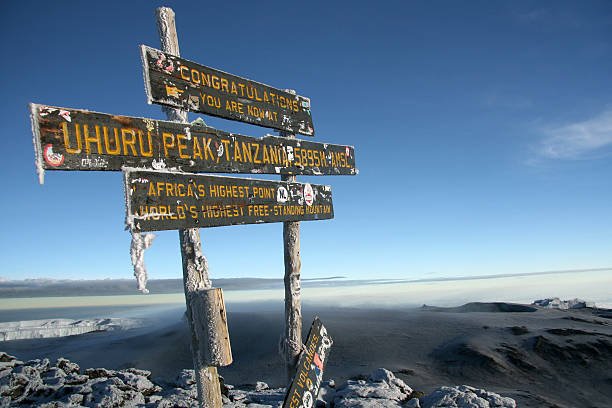
This safari can be arranged immediately after a Kilimanjaro climb.
After returning to Moshi from the mountain, travellers can rest at their hotel before beginning the safari.
A short Tarangire and Serengeti itinerary can therefore turn a trekking holiday into a broader Tanzania experience without requiring a separate international journey.
Serengeti, Tarangire and Zanzibar
Zanzibar can be added after the safari for travellers who want a mountain, wildlife and beach combination.
Domestic flight options can reduce unnecessary return driving depending on the final safari location and flight schedule.
The complete itinerary should be planned before booking international flights so sufficient travel and transfer time is available.
Typical Safari Inclusions
- Professional Tanzania safari driver guide
- Safari 4x4 according to package
- Tarangire game drives
- Serengeti game drives
- Applicable park fees stated in the quotation
- Accommodation according to selected category
- Meals according to itinerary
- Drinking water arrangements according to package
- Road transfers stated in the itinerary
Typical Safari Exclusions
- International flights
- Tanzania visa where required
- Travel insurance
- Alcoholic and specialty drinks unless listed
- Optional balloon safari unless booked
- Personal expenses
- Tips and gratuities
- Additional accommodation not listed
- Optional activities not specifically included
Frequently Asked Questions
Can I combine Serengeti and Tarangire in one safari?
Yes. The two parks can be combined easily within a northern Tanzania road safari from Moshi or Arusha.
How many days do I need?
Three days is possible but relatively fast paced. Four or five days provides more time for Serengeti wildlife viewing and can create a more balanced itinerary.
Can the safari start in Moshi?
Yes. Pickup can be arranged from Moshi before travelling toward Tarangire and the northern safari circuit.
Can the safari start in Arusha?
Yes. Arusha is another convenient starting point for Tarangire and Serengeti itineraries.
What is Tarangire best known for?
Tarangire is particularly known for elephants, baobab landscapes, birdlife and wildlife associated with the Tarangire River and seasonal water sources.
What is Serengeti best known for?
Serengeti is internationally known for broad wildlife rich plains, predators and the seasonal Great Migration through the wider ecosystem.
Can I see elephants in Tarangire?
Elephants are an important Tarangire species and the park is well known for them, but the location and behaviour of individual animals remain natural and unpredictable.
Can I see lions in Serengeti?
Lions occur widely in the Serengeti ecosystem, but a specific sighting cannot be guaranteed on an individual game drive.
Can we see cheetahs?
Cheetahs occur in Serengeti and other northern Tanzania habitats, but sightings depend on natural animal movement and conditions.
Is the Great Migration guaranteed?
No. The migration is seasonal and constantly moving according to rainfall, grazing and water availability.
Are river crossings guaranteed?
No. River crossings are natural events and their exact timing cannot be promised even when migration herds are in the northern Serengeti region.
Can I see the Big Five?
Several Big Five species occur across northern Tanzania, but no complete Big Five sighting should be guaranteed on a specific safari.
Is this safari private?
A private vehicle can be arranged for solo travellers, couples, families and groups. Group joining options can also be offered according to scheduled availability.
What vehicle is used?
A safari 4x4 with wildlife viewing access such as a pop up roof is commonly used for northern Tanzania game drives.
Can I choose camping?
Yes. Camping can be arranged for travellers seeking a more economical and adventurous safari style.
Can I stay in lodges?
Yes. Lodge and tented camp options can be selected according to budget and preferred comfort level.
Are meals included?
Meals are commonly included on multi day safari packages according to the confirmed itinerary and accommodation plan.
Can vegetarian food be arranged?
Yes. Vegetarian and other dietary requirements should be communicated before departure.
Can Ngorongoro be added?
Yes. Ngorongoro can be added to create a longer northern Tanzania safari involving Tarangire, Serengeti and the Ngorongoro Conservation Area.
Can Lake Manyara be added?
Yes. Lake Manyara can be included when there is enough time to add another park without making the itinerary excessively rushed.
Can I combine the safari with Kilimanjaro?
Yes. Tarangire and Serengeti can be arranged immediately after a Kilimanjaro climb, with a recovery night in Moshi where appropriate.
Can I continue to Zanzibar?
Yes. Zanzibar can be added after the safari, with road transfers and domestic flights arranged according to the final itinerary.
Is this safari suitable for families?
Yes. A private itinerary can be adjusted for families by selecting appropriate driving times, accommodation and overall trip length.
When is the best time to visit?
Both parks can provide wildlife experiences throughout the year, but seasonal rainfall influences vegetation, water availability and wildlife distribution. The best period depends on the particular experience you want.
How do I book a Serengeti Safari with Tarangire National Park?
Send your travel dates, number of travellers, preferred number of safari days and whether you want camping, tented camp or lodge accommodation. The itinerary can then be arranged from Moshi or Arusha with optional Ngorongoro, Lake Manyara, Kilimanjaro and Zanzibar extensions.
Plan Your Serengeti and Tarangire Safari
Combine Tarangire's elephant and baobab landscapes with extended Serengeti wildlife viewing in a professionally guided Tanzania safari designed around your dates, accommodation style and available travel time.
Request Your Tanzania Safari

 Kilimanjaro Climb