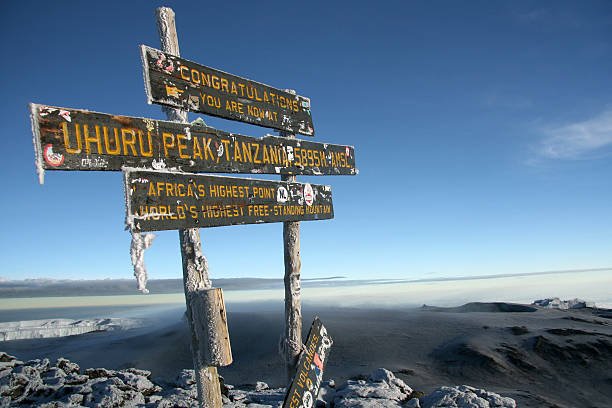
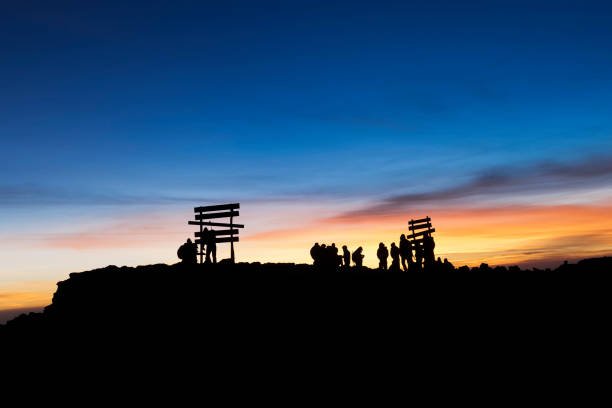
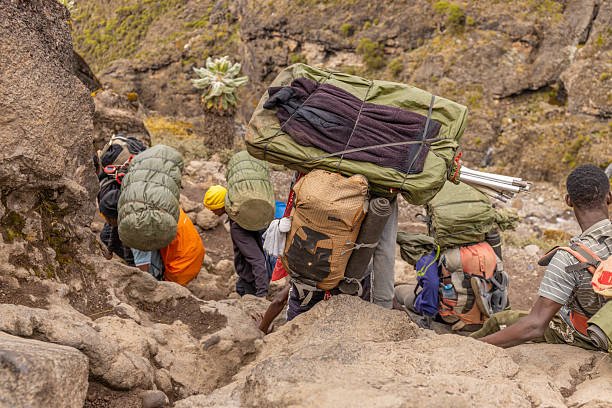
Kilimanjaro Summit Night Start Time
The Kilimanjaro Summit Night Start Time is one of the most important details climbers want to understand before attempting Mount Kilimanjaro.
Unlike normal trekking days, the final ascent commonly begins during the night or very early morning.
Many standard summit schedules begin around 11:00 PM to midnight, although the exact departure can be earlier or later depending on the route, high camp, group pace, weather, health conditions and guide strategy.
Climbers should therefore avoid thinking of one particular clock time as mandatory for every Kilimanjaro expedition.
The professional guide team should select a departure schedule that matches the confirmed itinerary and the condition of the climbers.
Kilimanjaro Summit Start Time at a Glance
- Common departure: Around 11:00 PM to midnight on many standard itineraries.
- Possible variation: Earlier or later departures can be used.
- Decision: Final timing is determined by the guide team and itinerary.
- Main factors: Route, high camp, pace, weather, altitude response and group condition.
- Lighting: A reliable headlamp is normally required for night departures.
- Preparation: Summit equipment should be organised before resting.
- Priority: Safe pacing and climber health rather than reaching the summit at a particular clock time.
What Time Does Kilimanjaro Summit Night Start?
Many Kilimanjaro summit attempts start around late evening to midnight.
A departure near 11:00 PM or midnight is common on traditional summit schedules, but it should not be treated as an absolute rule.
Some climbers may begin earlier because they are expected to move slowly.
Faster or smaller groups may use a later start when the guide considers it suitable.
Other itineraries can intentionally use a different summit schedule.
Summit Start Time Depends On
- Kilimanjaro route
- High camp location
- Expected walking speed
- Group size
- Climber health
- Altitude response
- Weather conditions
- Trail conditions
- Guide summit strategy
Why Does Kilimanjaro Summit Night Start So Early?
The summit and descent together create one of the longest days of the entire Kilimanjaro expedition.
Starting during the night provides many hours for climbers to make slow progress through the highest part of the mountain before continuing the descent.
High altitude dramatically reduces normal walking speed, so the distance can take considerably longer than an equivalent hike at lower elevation.
An early departure also gives the guide team more time to manage climbers with different walking speeds.
Why Not Start at Sunrise?
Starting at sunrise would move the entire summit and descent schedule later into the day.
Because the ascent itself can take many hours, a later start may mean completing significant portions of the descent much later.
This does not mean alternative summit schedules are impossible, but they need to be considered carefully by the guide based on the route, camp location and individual group.
Summit timing should be planned as part of the complete expedition rather than around sunrise alone.
Can Kilimanjaro Summit Start at 3 AM?
A later summit departure can be considered in some situations depending on the itinerary, high camp and guide assessment.
For example, a strong private group using a suitable high camp may discuss a later departure than the traditional midnight schedule.
However, a 3:00 AM start should not simply be selected because it sounds warmer or easier.
The guide must consider expected summit time, descent duration, climber pace, weather and safety before changing the standard schedule.
Can You Do a Daytime Kilimanjaro Summit?
Some climbers are interested in reaching the summit later in the morning rather than around sunrise.
A modified summit schedule may be possible under suitable conditions and itinerary arrangements.
This is especially something to discuss when organising a private climb where timing can sometimes be more flexible than on a larger group joining expedition.
Any modified schedule should be approved by the professional guide team and remain compatible with mountain safety and the planned descent.
Is a Later Summit Start Warmer?
A later departure may mean spending less time walking during the coldest part of the night.
However, Kilimanjaro's summit zone remains extremely cold and exposed even after daylight begins.
Wind can also make conditions feel significantly colder.
A later start therefore does not remove the need for full summit clothing.
Does Starting Later Make Summit Night Easier?
Not automatically.
Cold and darkness are only part of the difficulty.
High altitude, fatigue, low oxygen availability, steep terrain and the long descent remain regardless of the clock time.
A later start may feel preferable for certain climbers, but it does not remove the main physiological challenge of Kilimanjaro.
Does Starting Earlier Improve Summit Success?
Starting earlier does not automatically guarantee reaching Uhuru Peak.
It provides additional time, which may be useful for slower climbers, but summit success depends on many factors.
Altitude response, health, acclimatization, weather, pace and individual endurance all matter.
The guide should select the start time based on the climbers rather than simply choosing the earliest possible departure.
Slow Climbers May Leave Earlier
A climber or group expected to need more time can sometimes begin earlier.
This creates a larger time window for the ascent and can reduce pressure to walk faster than a sustainable pace.
Slow walking on summit night is normal and should not be treated as a problem by itself.
Faster Climbers May Leave Later
Smaller and faster groups may sometimes use a later departure when the guide considers this appropriate.
However, climbers should not intentionally race the mountain because they started later.
The same controlled high altitude pace remains important.
The Best Start Time Is Not Necessarily
- The earliest possible time
- The latest possible time
- The time another group is leaving
- The time suggested by an old online itinerary
- The time that guarantees sunrise at a particular location
The appropriate start time is the one that fits the confirmed expedition and guide's safety plan.
Machame Route Summit Night Start Time
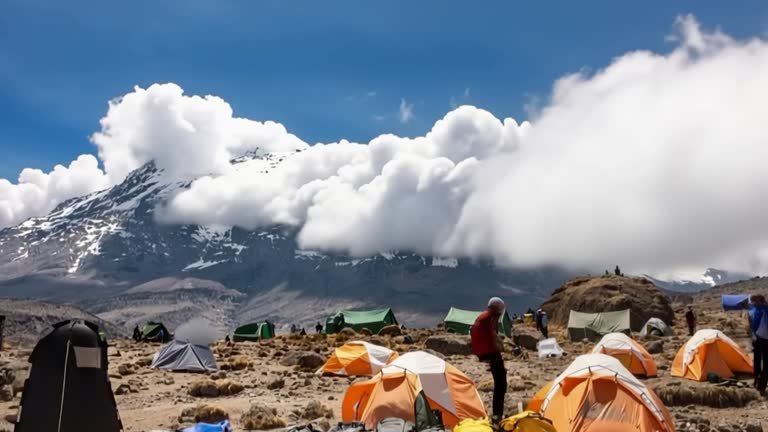
Machame climbers generally make their final ascent from the high camp used in their confirmed itinerary, commonly the Barafu area.
Traditional summit schedules commonly begin during the late evening or around midnight.
The exact departure should be confirmed at the final summit briefing because it can vary according to group condition and guide strategy.
7 Day Machame Summit Start Time
On the seven day Machame itinerary, climbers normally reach the final high camp after spending the previous night around Karanga.
The additional mountain day creates a different approach compared with the more compact six day itinerary, but summit departure is still commonly planned during the night.
Your guide confirms the exact time after assessing the group at high camp.
6 Day Machame Summit Start Time
The six day Machame route follows a more compressed schedule before the summit attempt.
After arriving at high camp, climbers eat, prepare equipment and rest before the final departure.
The guide determines the exact start according to climber condition and the planned summit schedule.
Lemosho Route Summit Night Start Time
Lemosho climbers eventually join the southern summit approach used by Machame itineraries.
Standard summit departures therefore also commonly occur during the night.
Seven and eight day Lemosho schedules provide different amounts of mountain time before reaching the final summit camp, but the exact start remains a guide decision.
8 Day Lemosho Summit Start Time
An eight day Lemosho itinerary provides additional mountain time before summit day compared with shorter schedules.
Even so, the final ascent remains demanding and is generally approached with a carefully planned night departure.
Do not assume additional acclimatization days mean the group should automatically start later.
7 Day Lemosho Summit Start Time
The seven day Lemosho itinerary follows a shorter schedule than the eight day version.
Summit night is still normally planned from the final high camp with a late evening or night departure.
The guide will confirm the precise timing during the summit briefing.
Marangu Route Summit Night Start Time
Marangu climbers normally prepare for the summit from Kibo Hut.
Traditional schedules commonly leave during the night and progress slowly toward the crater rim before continuing toward Uhuru Peak when climbers remain able to proceed safely.
The presence of hut accommodation does not change the need for a carefully timed summit plan.
Rongai Route Summit Night Start Time
Rongai approaches Kilimanjaro from the northern side before connecting with the summit itinerary used for the final ascent.
The departure is generally planned during the night, with exact timing based on the high camp and guide strategy.
Northern Circuit Summit Night Start Time
The Northern Circuit provides more mountain days before the final summit stage.
Although the longer itinerary can provide additional acclimatization opportunities, the summit attempt still requires careful timing and full high altitude preparation.
The guide confirms the final start time after assessing climber condition.
What Time Do Climbers Wake Up?
Climbers normally wake before the planned departure so there is enough time to dress, eat or drink something, organise final equipment and complete the guide briefing.
If the planned departure is around midnight, preparation may begin considerably earlier.
Everything possible should be organised before resting so the wake up period remains simple.
Prepare Before You Rest
- Lay out thermal layers.
- Prepare summit trousers.
- Prepare insulated jacket.
- Keep waterproof layers accessible.
- Prepare gloves and warm hat.
- Check your headlamp.
- Prepare water.
- Prepare personal snacks.
- Prepare trekking poles.
- Keep medication accessible.
What Happens During the Summit Briefing?
The final briefing prepares climbers for the night ahead.
The guide can explain the expected departure, clothing, pacing, water, snacks, group arrangement and what to do if a climber experiences problems.
This is the correct time to ask about the exact planned start rather than relying only on a generic itinerary received months before the climb.
How Much Sleep Do You Get Before Summit Night?
Climbers typically have only a limited rest period at high camp before departure.
Some people sleep well while others find it difficult because of altitude and anticipation.
Even if you cannot fall deeply asleep, lying down and resting can still conserve energy.
Avoid spending the entire rest period repacking equipment that could have been organised earlier.
Should You Eat Before the Summit Starts?
Yes. Try to eat the provided pre summit food even if altitude has reduced your appetite.
Your body requires energy for the long ascent and descent.
Bring familiar personal snacks that are easy to eat while walking.
Hydration Before Departure
Continue drinking regularly throughout the afternoon and evening at high camp rather than trying to consume an excessive amount immediately before leaving.
Prepare your summit water system before resting.
Cold conditions can affect water, so follow the guide team's advice on protecting bottles and carrying sufficient drinking water.
Why a Headlamp Is Essential
A night summit departure means much of the early ascent happens in darkness.
A reliable headlamp allows you to see the trail while keeping both hands available for trekking poles.
Check batteries before departure and ensure the lamp fits comfortably over your hat or head covering.
Headlamp Preparation
- Test it before travelling.
- Use reliable batteries.
- Carry backup battery power when appropriate.
- Make sure the strap fits over your summit hat.
- Know how to operate it while wearing gloves.
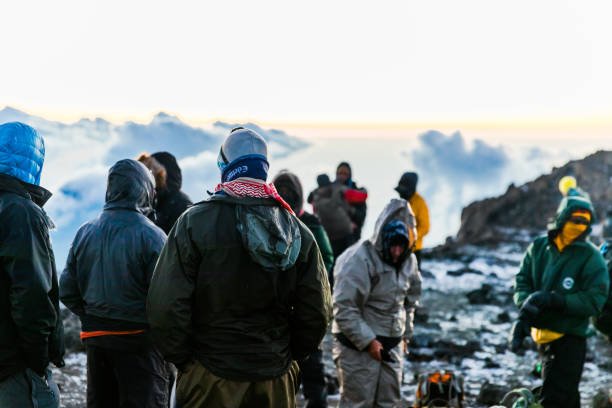
What Should You Wear at the Summit Start?
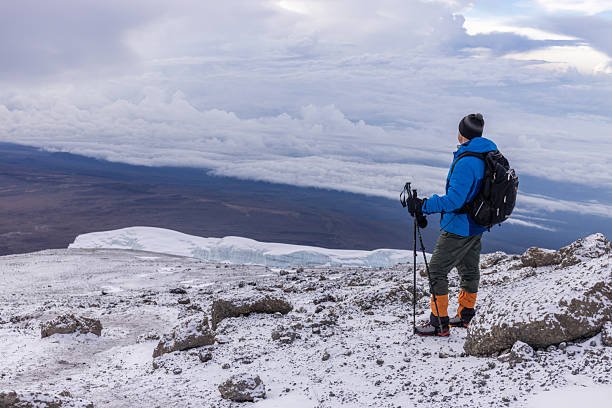
The final ascent requires a complete cold weather layering system.
Conditions can be freezing and windy, but wearing every possible layer too early may make you sweat.
The guide can help you decide the correct starting combination based on actual conditions.
Summit Clothing Essentials
- Thermal base layers
- Warm insulating layers
- Insulated summit jacket
- Wind and waterproof shell
- Warm trekking trousers
- Protective outer trousers
- Warm socks
- Broken in trekking boots
- Warm gloves or mittens
- Warm hat
- Neck or face protection
Summit Night Pace After Departure
The group normally begins slowly.
This can feel surprisingly slow to climbers who are accustomed to faster hiking at lower altitude.
Slow movement is intentional because conserving energy becomes increasingly important as elevation rises.
Do not increase speed simply because another group overtakes you.
Does Starting at Midnight Guarantee Sunrise at the Summit?
No.
Climbers move at very different speeds.
One person may reach the crater rim around sunrise while another reaches it earlier or later.
Weather and route conditions can also affect progress.
The purpose of the summit attempt should be safe progress rather than arriving at one specific location at an exact sunrise minute.
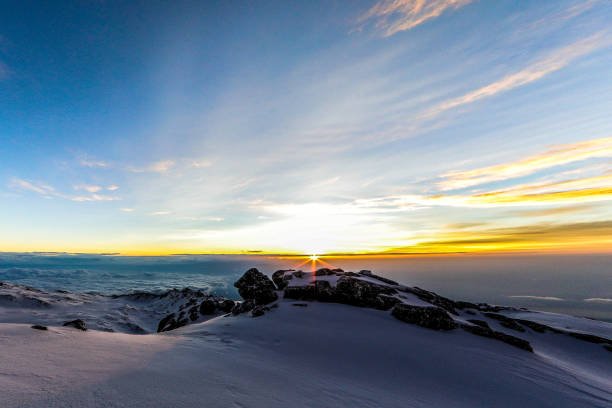
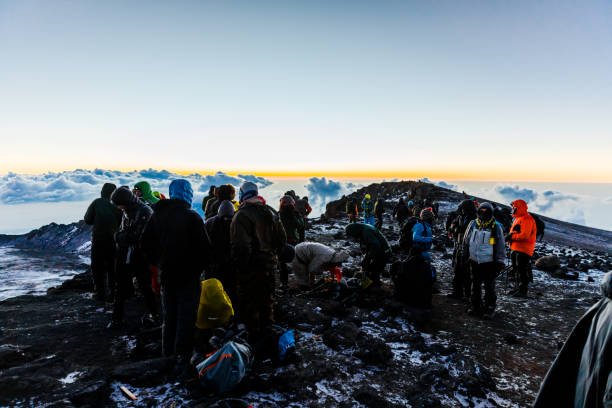
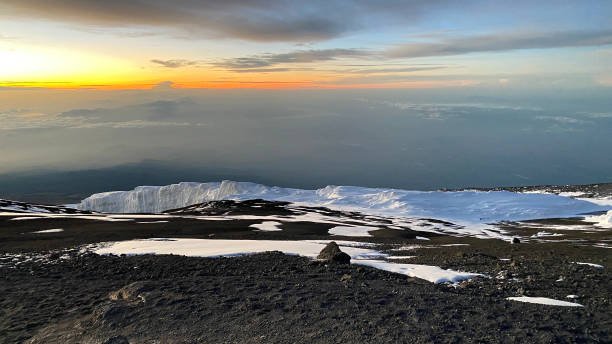
Where Do You See Sunrise?
The sunrise location depends on your progress during the ascent.
You may experience daylight while still below the crater rim, around the rim or while progressing toward Uhuru Peak.
All can provide memorable mountain views when weather permits.
Do You Need to Summit at Sunrise?
No.
Sunrise is a beautiful part of many Kilimanjaro summit experiences, but reaching the summit exactly at sunrise is not a requirement for a successful climb.
Climber health and safe pacing are more important than coordinating photographs with a particular time.
How Long from High Camp to the Summit?
The time varies greatly between climbers.
High altitude walking is slow, and different routes begin from different locations.
Weather, trail conditions, rest stops and individual altitude response can all change the duration.
Do not use another climber's summit time as a target that you need to beat.
What Happens If You Are Walking Too Slowly?
Walking slowly is expected at high altitude.
If the group has appropriate guide coverage, different speeds may be managed according to the expedition arrangement.
The guide will also consider whether your slower pace is simply normal fatigue or a sign of a concerning change in your condition.
Can the Group Split on Summit Night?
Depending on guide numbers and expedition arrangements, climbers moving at significantly different speeds may sometimes be separated into smaller supported groups.
This should only happen when there is sufficient guide or summit support coverage.
Climbers should never leave the organised group structure and continue independently.
Health Checks Before Starting
The guide team can assess climber wellbeing before the summit attempt.
Health discussions may include headache, nausea, appetite, hydration, dizziness, sleep and general condition.
Pulse oximeter readings may also be used where available as one part of the wider assessment.
Tell the guide honestly how you feel before departure.
Can You Be Told Not to Start Summit Night?
Yes.
If a climber's condition indicates that going higher would be unsafe, the professional guide may advise against beginning or continuing the summit attempt.
This can be disappointing, but safety takes priority over reaching Uhuru Peak.
Tell Your Guide About
- Worsening headache
- Persistent nausea
- Vomiting
- Severe dizziness
- Unusual weakness
- Confusion
- Difficulty walking normally
- Concerning breathing difficulty
- Any rapid change in your health
What Happens After Reaching the Crater Rim?
Depending on the route, reaching the crater rim may not mean you have already reached Uhuru Peak.
Additional walking can remain.
The guide assesses whether climbers are able to continue safely toward the highest point.
At this altitude, maintaining health and energy for descent remains extremely important.
How Long Should You Stay at Uhuru Peak?
Summit time should generally remain controlled.
Climbers can take photographs and appreciate reaching the highest point, but remaining unnecessarily long at extreme altitude provides little benefit.
Follow your guide when it is time to descend.
The Descent Determines Part of the Start Time
One reason guides think carefully about summit departure is that reaching Uhuru Peak is only part of summit day.
A substantial descent remains afterwards.
Climbers may return through high camp briefly before continuing toward a lower overnight location according to the route.
The complete day can therefore involve many hours of movement.
Why Summit Timing Cannot Be Planned Around Photos Alone
Many climbers dream of a particular sunrise photograph from Uhuru Peak.
This is understandable, but mountain conditions do not operate according to a photography schedule.
Cloud, wind, pace and altitude response can all change the timing.
The safest strategy is to follow the guide's pace and enjoy the sunrise wherever you happen to be on the route.
Private Climb Summit Start Time
A private Kilimanjaro climb can provide more flexibility because the schedule is not being coordinated around unrelated travellers in a larger group.
This can make it easier to discuss alternative summit timing when the guide considers the plan safe and practical.
Private climbing does not mean travellers can override the professional guide's safety decisions.
Group Joining Summit Start Time
Group joining departures normally use a summit schedule designed around the whole group.
The guide team assesses expected walking speed and may organise support accordingly.
A participant should not independently decide to leave several hours later or earlier than the group without an approved guide arrangement.
Can Beginners Start Earlier?
Beginners are not automatically slow climbers, but first time high altitude trekkers may benefit from a generous summit time window.
The guide can choose an appropriate departure based on actual performance during the previous mountain days rather than assumptions made before the trek.
Can Experienced Hikers Start Later?
Previous hiking experience can improve pacing and equipment management, but it does not guarantee good altitude acclimatization.
An experienced climber should therefore still follow the summit timing recommended by the guide team.
Weather Can Change the Start Time
Mountain weather is another factor the guide may consider when finalising summit plans.
Strong wind, precipitation or other difficult conditions can influence preparation and timing.
A fixed schedule printed months before the trek should never take priority over actual mountain conditions.
Frequently Asked Questions About Kilimanjaro Summit Night Start Time
What time does Kilimanjaro summit night usually start?
Many traditional summit itineraries begin around 11:00 PM to midnight, but exact departure times vary according to the route, group and guide plan.
Does every group leave at midnight?
No. Some groups leave earlier or later depending on expected pace, weather, health and the confirmed itinerary.
Can we leave at 11 PM?
Yes. Around 11:00 PM can be used on some summit schedules when appropriate for the group.
Can we leave at midnight?
Yes. Midnight is a common traditional departure time for many Kilimanjaro summit attempts.
Can we start at 1 AM?
A later start may be possible when the guide considers it suitable for the route and group pace.
Can Kilimanjaro summit start at 3 AM?
A 3:00 AM departure can be discussed for suitable itineraries and private arrangements, but it should only be used when the guide determines the complete summit and descent schedule remains appropriate.
Can I summit Kilimanjaro during the day?
Modified summit timing can sometimes be considered, particularly for private expeditions, but the plan must fit the route, high camp, weather and safe descent schedule.
Why start Kilimanjaro in the dark?
A night departure provides a long time window for the slow high altitude ascent and the substantial descent that follows.
Is a later start warmer?
It may reduce some exposure to the coldest night hours, but the summit zone can remain extremely cold after daylight and full cold weather equipment is still required.
Is a later summit start easier?
Not necessarily. High altitude, steep terrain, fatigue and the long descent remain challenging regardless of start time.
Do slower climbers start earlier?
They can. Guides may create a larger time window for climbers expected to require more time.
Can faster climbers start later?
Sometimes, particularly in smaller or private groups, when the guide considers a later departure practical and safe.
What time does Machame summit night start?
Machame summit attempts commonly begin during the late evening or around midnight, with the exact time confirmed by the guide at high camp.
What time does Lemosho summit night start?
Lemosho also commonly uses a night departure after joining the southern summit approach, but the exact start varies by expedition.
What time does Marangu summit night start?
Marangu climbers normally leave Kibo Hut during the night, with the exact departure set by the guide team.
Do Northern Circuit climbers also start at night?
Yes. The final summit attempt is generally planned during the night or early morning according to the confirmed itinerary.
When do we wake up?
You wake before the scheduled departure so there is enough time to dress, eat or drink, organise equipment and complete final preparation.
Do we sleep before the summit attempt?
Climbers normally have a rest period at high camp, although altitude and anticipation can make sleeping difficult for some people.
Do we eat before leaving?
Yes. Climbers should try to eat before departure and can carry familiar personal snacks for the ascent.
Do I need a headlamp?
Yes. A reliable headlamp is essential for a traditional night summit departure.
Do we always reach the summit at sunrise?
No. Individual pace varies, so sunrise may occur before reaching the crater rim, around the rim or during the walk toward Uhuru Peak.
Do I have to reach Uhuru Peak at sunrise?
No. Reaching the highest point safely is more important than arriving at one specific clock time.
How long does the summit ascent take?
It varies greatly according to route, pace, weather, altitude response and rest stops, so climbers should not rely on one fixed duration.
Can our summit group split into different speeds?
This can sometimes be managed when there are enough guides or summit support staff to accompany separate climbers safely.
Can weather change the summit departure time?
Yes. The guide may consider actual weather and trail conditions when finalising the summit strategy.
Can altitude symptoms change the plan?
Yes. Climber health can affect whether someone begins, continues or turns around during the summit attempt.
Does a private Kilimanjaro climb offer more summit time flexibility?
A private expedition can provide greater scheduling flexibility, but the guide still determines whether an alternative plan is appropriate and safe.
Can group joining climbers choose different summit start times?
Group joining departures generally follow an organised group schedule, although different pace groups may be supported when guide staffing allows.
Who decides the final summit start time?
The professional guide team determines the final timing according to the route, group condition, expected pace and mountain conditions.
When will I know my exact summit start time?
The expected schedule can be discussed before the climb, but the final departure is normally confirmed at high camp during the summit briefing.
What is the most important advice about Kilimanjaro Summit Night Start Time?
Do not focus on one universal clock time. Prepare your equipment, rest at high camp and follow the departure schedule chosen by your professional guide for your specific route, group and mountain conditions.
Prepare for Your Kilimanjaro Summit Start
Prepare your summit clothing, headlamp, water and personal snacks before resting at high camp, then follow the professional guide team's departure time and pacing plan for the final ascent and descent.
Plan Your Kilimanjaro Summit

.jpg "kilimanjaro-summit-night-start-time")
 Serengeti Safari