Kilimanjaro Oxygen 2026-2027
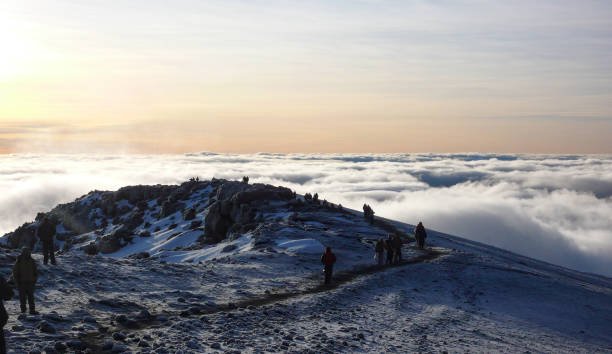
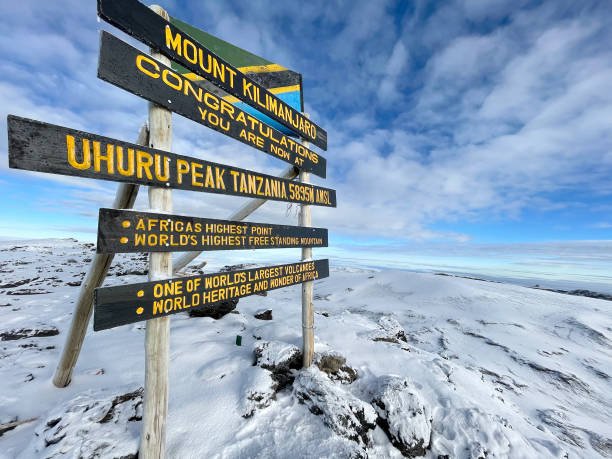
Kilimanjaro Oxygen 2026-2027 is closely connected to altitude safety because Mount Kilimanjaro rises to 5,895 metres at Uhuru Peak.
As climbers move higher, atmospheric pressure decreases and the amount of oxygen available to the body becomes lower than at sea level.
This is why acclimatization, slow ascent, daily health monitoring and professional guide decisions are essential throughout a Kilimanjaro expedition.
Emergency oxygen can be carried as part of the mountain safety equipment, but it should not replace proper acclimatization or descent when a climber's condition requires it.
Kilimanjaro Oxygen at a Glance
- Summit altitude: Uhuru Peak, 5,895 metres
- Main altitude challenge: Reduced available oxygen at higher elevation
- Safety equipment: Emergency oxygen can be carried
- Daily monitoring: Symptoms and pulse oximeter readings
- Best prevention: Proper acclimatization and gradual ascent
- Important principle: Oxygen does not replace descent when descent is necessary
- Best route approach: Longer itineraries with more acclimatization time
- Guide role: Monitor symptoms and make safety decisions
Is Oxygen Available on Kilimanjaro?
Professional Kilimanjaro climbing teams can carry emergency oxygen as part of their mountain safety equipment.
The oxygen is intended for emergency situations rather than routine use throughout the climb.
Climbers should not plan to rely on supplementary oxygen as a normal method of reaching Uhuru Peak.
The main goal is to acclimatize naturally through a gradual itinerary while guides monitor the climber's condition throughout the trek.
Why Is Oxygen Lower on Kilimanjaro?
The percentage of oxygen in the atmosphere does not suddenly disappear at altitude, but lower atmospheric pressure means fewer oxygen molecules are available with each breath.
As a climber ascends, the body must work harder to obtain the oxygen it needs.
This is why breathing can feel more difficult and walking speed naturally becomes slower at higher elevation.
The body needs time to adapt to these conditions, which is the process known as acclimatization.
What Is Emergency Oxygen on Kilimanjaro?
Emergency oxygen is supplemental oxygen carried by the mountain team for use when required.
It forms one part of a wider safety system that also includes professional guides, health monitoring, pulse oximeter checks, first aid equipment and emergency descent planning.
Typical Kilimanjaro Safety Support
- Licensed professional mountain guides
- Assistant guides according to group size
- Daily health discussions
- Pulse oximeter checks
- Emergency oxygen
- Basic first aid equipment
- Emergency descent planning
- Communication and coordination with mountain support where required
Do Climbers Use Oxygen All the Way to the Summit?
No. Standard Kilimanjaro expeditions are normally planned so that climbers acclimatize without continuous supplemental oxygen.
Routine oxygen use can mask symptoms and should not be treated as a substitute for proper altitude adaptation.
The goal is to climb gradually, monitor the body carefully and use emergency equipment only when the guide determines that it is appropriate.
Does Everyone Need Oxygen on Kilimanjaro?
No. Many climbers complete Kilimanjaro without needing emergency oxygen.
Whether someone requires oxygen depends on their condition and how their body responds to altitude.
Two people of similar age and fitness can react very differently at the same elevation.
This is why guides evaluate the individual climber rather than making decisions based only on fitness or experience.
What Is a Pulse Oximeter?
A pulse oximeter is a small device placed on the finger to estimate oxygen saturation and pulse rate.
It can be used during daily health checks on Kilimanjaro to provide additional information about how a climber is responding to altitude.
However, a pulse oximeter reading should never be considered alone.
The climber's symptoms, behaviour, breathing, energy and general condition are also essential.
Oxygen Saturation on Kilimanjaro
Oxygen saturation readings often decrease as climbers gain altitude.
This is expected to some degree because less oxygen is available at higher elevations.
There is no single number that can determine whether every climber is safe or unsafe.
Guides should consider the reading together with symptoms and the climber's overall condition.
What Guides Consider During Health Checks
- Oxygen saturation reading
- Pulse rate
- Headache
- Nausea or appetite changes
- Breathing difficulty
- Walking stability
- Fatigue level
- Mental alertness
- Overall symptom progression
Can Oxygen Saturation Drop on Kilimanjaro?
Yes. Oxygen saturation normally decreases as altitude increases.
The important question is not simply whether the number has dropped but how the climber is feeling and functioning.
A low reading together with serious symptoms requires much greater concern than a number viewed without clinical context.
What Is a Normal Oxygen Level on Kilimanjaro?
There is no single normal oxygen saturation figure that applies to every climber at every altitude.
Readings can vary according to elevation, individual physiology, circulation, cold fingers and measurement conditions.
Professional guides therefore consider trends and symptoms rather than relying on one isolated reading.
Can a Pulse Oximeter Be Wrong?
Pulse oximeters can produce unreliable readings when fingers are very cold, circulation is poor or the climber is moving.
The sensor should be used carefully and the reading interpreted in context.
This is another reason why symptom monitoring remains essential.
Altitude Sickness on Kilimanjaro
Altitude related illness is one of the main safety concerns on Kilimanjaro.
Mild symptoms can occur as the body adjusts, but worsening or serious symptoms should never be ignored.
The guide's responsibility is to monitor progression and make appropriate decisions about rest, continuing higher or descending.
Common Altitude Symptoms
Symptoms That Require Monitoring
- Headache
- Unusual fatigue
- Reduced appetite
- Nausea
- Difficulty sleeping
- Shortness of breath
- Dizziness
- Changes in walking coordination
- Changes in mental alertness
When Is Emergency Oxygen Used?
Emergency oxygen may be used when a climber develops concerning altitude related symptoms and the guide determines that supplementary oxygen is appropriate.
The exact decision depends on the climber's symptoms, condition and the overall emergency plan.
Oxygen may be used while arrangements are made for descent, but it should not delay descent when lower elevation is required.
Does Oxygen Cure Altitude Sickness?
Emergency oxygen can help increase the amount of oxygen available to the body temporarily.
However, it does not change the fact that the climber remains at high altitude.
When serious altitude illness is suspected, descent can be the most important action because lower elevation increases atmospheric pressure and oxygen availability.
Why Descent Is Important
Descending reduces altitude and exposes the climber to greater atmospheric pressure.
This can significantly improve conditions when altitude is causing serious symptoms.
For this reason, climbers must be willing to follow guide instructions even when they are close to the summit.
Reaching Uhuru Peak should never be prioritized over safety.
Can Oxygen Be Used to Continue to the Summit?
Emergency oxygen should not be viewed as a tool for forcing continued ascent when a climber is no longer safely acclimatizing.
Using oxygen simply to mask symptoms while continuing higher can create unnecessary risk.
The guide should decide whether the climber can continue or must descend based on the full health assessment.
Kilimanjaro Acclimatization
Acclimatization is the body's process of adapting gradually to reduced oxygen availability at altitude.
The process takes time, which is why route length has such an important influence on the climbing experience.
Longer routes give the body more days to adjust before reaching summit altitude.
Best Routes for Acclimatization
Routes with more trekking days generally provide stronger acclimatization opportunities than short itineraries.
Strong Acclimatization Options
- Northern Circuit: Long itinerary with extensive acclimatization time
- 8 Day Lemosho: Strong balance between route length and gradual altitude gain
- 7 Day Lemosho: Good western approach with acclimatization opportunities
- 7 Day Machame: Good climb high, sleep low profile
- 6 Day Marangu: Better acclimatization schedule than the shorter five day option
Climb High, Sleep Low
Climb high, sleep low is an acclimatization strategy used naturally on several Kilimanjaro routes.
Climbers reach a higher elevation during the day and then descend to sleep at a lower camp.
This exposes the body to higher altitude while allowing recovery at a lower sleeping elevation.
Lava Tower and Oxygen Adaptation
Lava Tower is a well known acclimatization section on several southern routes.
Climbers can reach approximately 4,600 metres before descending toward Barranco.
The experience gives the body useful exposure to higher altitude before later moving toward summit camp.
Walking Slowly Helps Acclimatization
Slow walking is a fundamental part of Kilimanjaro trekking.
Climbers should not race toward camp because fast movement uses more energy and does not improve acclimatization.
A slow, steady pace allows the body to work more efficiently while gaining elevation.
This is why guides often encourage a controlled rhythm throughout the climb.
Does Fitness Improve Oxygen Levels?
Good fitness helps climbers manage long walking days, but it does not guarantee better acclimatization.
A highly trained athlete can still experience serious altitude symptoms.
This is because altitude response depends on more than cardiovascular fitness alone.
Every climber should therefore respect the same gradual ascent and monitoring process.
Breathing on Kilimanjaro
Climbers naturally breathe faster as elevation increases because the body is trying to obtain more oxygen.
Walking slowly helps keep breathing under control.
During steep sections, short steps and a steady rhythm can be more effective than repeatedly stopping after walking too quickly.
Oxygen on Summit Night
Summit night takes place at the highest elevations of the expedition and is normally the most demanding stage.
Climbers begin from high camp during the night and ascend slowly toward the crater rim.
Available oxygen is significantly reduced compared with lower camps, so movement becomes slow and deliberate.
Guides monitor the group closely throughout the ascent.
Why Summit Night Feels Harder
Several challenges occur at the same time during summit night.
Summit Night Challenges
- Very high altitude
- Lower available oxygen
- Cold temperatures
- Nighttime ascent
- Fatigue from previous trekking days
- Long walking duration
- Mental fatigue
Hydration and Oxygen at Altitude
Good hydration supports normal body function during high altitude trekking.
However, drinking large amounts of water does not eliminate altitude illness.
Climbers should drink regularly according to practical guide recommendations while avoiding the belief that hydration alone can prevent every altitude problem.
Nutrition and Altitude
Eating properly helps the body maintain energy during demanding trekking days.
Typical Kilimanjaro meals can include porridge, eggs, pancakes, soup, rice, pasta, potatoes, vegetables and fruit.
Appetite can decrease at altitude, so climbers should make an effort to continue eating when possible.
Sleep and Oxygen at Altitude
Some climbers notice changes in sleep as elevation increases.
Sleep can become lighter or interrupted, particularly at higher camps.
This can happen as the body adapts to the reduced oxygen environment.
A warm sleeping system and enough rest time help make mountain nights more comfortable.
Can You Bring Your Own Oxygen?
Climbers should generally rely on the professional mountain safety system rather than independently planning oxygen use.
The guide should know what emergency equipment is being carried and control how it is used.
Uncoordinated oxygen use can make health assessment more difficult and should not replace guide decisions.
Portable Oxygen Cans for Kilimanjaro
Small recreational oxygen cans should not be considered a replacement for a professional emergency oxygen system.
They contain limited oxygen and should not create a false sense of security.
The important safety priorities remain acclimatization, symptom monitoring and descent when required.
Oxygen and First Time Climbers
First time high altitude climbers often worry about oxygen before arriving in Tanzania.
It is normal to be concerned, but most climbers should focus primarily on selecting an appropriate route and preparing properly.
A longer itinerary gives beginners more time to experience increasing altitude gradually.
Oxygen for Older Climbers
Age alone does not determine whether emergency oxygen will be required.
Older climbers who are healthy and well prepared can perform strongly at altitude.
Medical history, current health and individual altitude response are more important than age alone.
Travellers with relevant medical concerns should seek appropriate professional medical guidance before the trek.
Oxygen for Fit Athletes
Athletes should not assume that fitness protects them from altitude related problems.
Strong cardiovascular conditioning helps with walking endurance but does not guarantee safe acclimatization.
Fit climbers should still walk slowly and follow the same altitude safety rules as everyone else.
Oxygen Monitoring on Machame Route
Machame gains significant elevation over several days and includes useful acclimatization sections.
Seven day Machame generally provides more acclimatization time than the six day version.
Daily health checks can be carried out as the group progresses through Shira, Barranco, Karanga and Barafu.
Oxygen Monitoring on Lemosho Route
Lemosho offers a gradual western approach and strong acclimatization opportunities.
The eight day option provides additional time for altitude adaptation before summit night.
Climbers can be monitored throughout the route as elevation increases gradually.
Oxygen Monitoring on Marangu Route
Marangu is more direct than some other routes.
The five day itinerary provides limited acclimatization time, which is why six days is often preferable.
Daily health monitoring remains important despite hut accommodation and the route's reputation for being straightforward.
Oxygen Monitoring on Northern Circuit
Northern Circuit provides one of the longest acclimatization schedules on Kilimanjaro.
The additional mountain days allow guides more time to observe how climbers are responding before the final summit stage.
What Happens If a Climber Cannot Continue?
If a climber develops serious symptoms or is no longer safe to continue, the mountain team can organize descent.
The exact response depends on location, condition, weather and available mountain support.
Emergency oxygen may form part of the response while the climber is being moved to lower altitude.
Emergency Evacuation on Kilimanjaro
Emergency evacuation planning is part of professional Kilimanjaro operations.
Depending on the climber's location and condition, evacuation can involve assisted descent and coordination with park rescue resources.
Travellers should also have appropriate travel insurance for high altitude trekking and emergency assistance.
What Is Included in a Kilimanjaro Safety Package?
- Licensed professional guides
- Assistant guides according to group size
- Daily health monitoring
- Pulse oximeter checks
- Emergency oxygen
- Basic first aid equipment
- Emergency descent planning
- Mountain crew support
How to Reduce the Chance of Needing Emergency Oxygen
No strategy can completely eliminate altitude risk, but climbers can improve their acclimatization approach.
Better Acclimatization Habits
- Choose enough trekking days
- Walk slowly
- Follow guide pacing
- Maintain reasonable hydration
- Eat regularly
- Rest properly at camp
- Report symptoms honestly
- Avoid hiding symptoms to protect summit plans
- Follow descent instructions when required
Why Climbers Should Report Symptoms Early
Climbers should tell the guide when symptoms begin rather than waiting until they become severe.
Early information allows the guide to observe how the symptoms develop and make better decisions.
Hiding headache, nausea, dizziness or breathing difficulties can make altitude management more difficult.
Can You Climb Kilimanjaro Safely Without Supplemental Oxygen?
Yes. Standard Kilimanjaro climbs are normally designed around natural acclimatization rather than routine oxygen use.
Many climbers reach the summit without requiring emergency oxygen.
The key is choosing a sensible itinerary and respecting how the body responds to altitude.
Frequently Asked Questions About Kilimanjaro Oxygen
Is oxygen carried on Kilimanjaro?
Professional Kilimanjaro climbing teams can carry emergency oxygen as part of their mountain safety equipment.
Do all climbers use oxygen?
No. Most climbs are planned around natural acclimatization, with emergency oxygen available only when required.
Can I use oxygen to reach the summit?
Emergency oxygen should not be used simply to force continued ascent when symptoms indicate that climbing higher may be unsafe.
What is a pulse oximeter?
A pulse oximeter is a small finger device used to estimate oxygen saturation and pulse rate during health checks.
Are oxygen levels checked every day?
Daily pulse oximeter checks can be included as part of overall health monitoring during the climb.
What oxygen saturation is normal on Kilimanjaro?
There is no single number that applies to every climber at every altitude. Guides consider readings together with symptoms and overall condition.
Can oxygen saturation fall at altitude?
Yes. Oxygen saturation often decreases as altitude increases because less oxygen is available with each breath.
Can a pulse oximeter give an inaccurate reading?
Yes. Cold fingers, movement and poor circulation can affect readings, which is why symptoms and overall condition must also be considered.
Does emergency oxygen cure altitude sickness?
Oxygen can provide temporary support, but it does not remove the climber from the high altitude environment. Descent may still be required.
What happens if I become very sick from altitude?
The guide may stop your ascent, use emergency support when appropriate and organize descent to a lower elevation depending on your condition.
Does fitness prevent altitude sickness?
No. Good fitness helps with trekking endurance but does not guarantee that a climber will acclimatize well.
Which Kilimanjaro route is best for acclimatization?
Longer itineraries such as Northern Circuit and eight day Lemosho provide strong acclimatization opportunities.
Is seven day Machame better than six days for acclimatization?
Seven day Machame generally provides more acclimatization time than the shorter six day itinerary.
Does walking slowly help with oxygen at altitude?
A slow steady pace reduces unnecessary exertion and supports a more gradual approach to altitude.
Should I bring my own oxygen can?
Small personal oxygen cans should not replace a professional emergency oxygen system, proper acclimatization or guide decisions.
Is oxygen available on summit night?
Emergency oxygen can be carried as part of the team's mountain safety equipment, including during the upper mountain stages.
Can beginners climb Kilimanjaro without oxygen?
Yes. Standard climbs are normally completed through gradual acclimatization rather than routine supplemental oxygen use.
Why is descent important for altitude problems?
Descending to lower elevation increases atmospheric pressure and oxygen availability, making it one of the most important responses to serious altitude illness.
How do I book a Kilimanjaro climb with emergency oxygen for 2026-2027?
Confirm your preferred route, number of trekking days, climbing date and number of travellers, then verify that emergency oxygen, pulse oximeter monitoring and professional guide support are included in the mountain safety arrangement.
Plan a Safer Kilimanjaro Climb 2026-2027
Choose a Kilimanjaro itinerary with enough acclimatization time, professional guides, daily health monitoring, pulse oximeter checks and emergency oxygen as part of the mountain safety system.
Plan Your Kilimanjaro Climb

 Serengeti Safari