Kilimanjaro Altitude Sickness 2026-2027
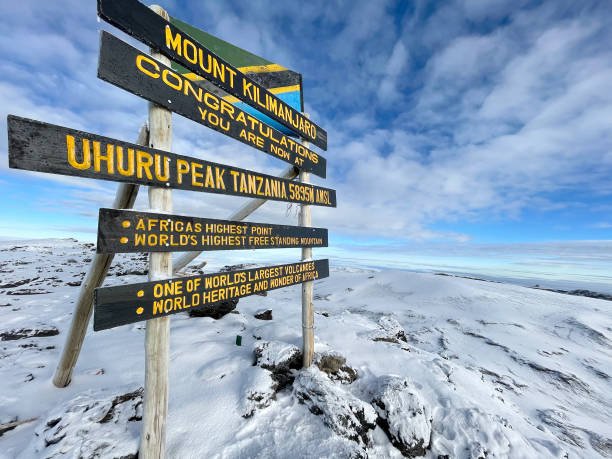
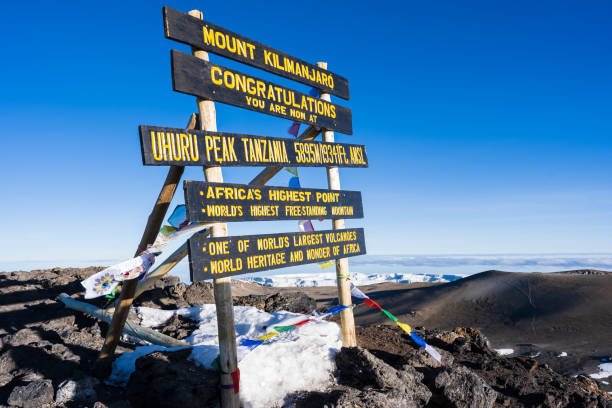
Altitude sickness on Kilimanjaro can affect any climber because the mountain rises to 5,895 metres, where oxygen availability is much lower than at sea level.
The condition can begin with relatively mild symptoms such as headache, nausea, fatigue, dizziness or poor sleep.
In some cases, symptoms may worsen and require immediate attention, stopping the ascent or descending to a lower elevation.
The most important factors are gradual acclimatization, slow pacing, honest symptom reporting and professional guide monitoring throughout the expedition.
Kilimanjaro Altitude Sickness at a Glance
- Highest point: Uhuru Peak, 5,895 metres
- Main cause: Ascending to high altitude faster than the body can fully adapt
- Common early symptoms: Headache, nausea, fatigue and dizziness
- Best prevention strategy: Gradual acclimatization
- Helpful route choice: Longer itineraries
- Important practice: Walk slowly and report symptoms
- Guide role: Daily health monitoring and safety decisions
- Most important rule: Health comes before the summit
What Is Kilimanjaro Altitude Sickness?
Altitude sickness describes health problems that can develop when the body does not adapt quickly enough to reduced oxygen availability at higher elevations.
Mount Kilimanjaro rises far above the altitude where many travellers normally live.
This means climbers may experience noticeable physical effects as they ascend from the lower slopes toward the high camps and summit zone.
Altitude response varies significantly from one individual to another.
Why Does Altitude Sickness Happen on Kilimanjaro?
As elevation increases, atmospheric pressure decreases and less oxygen is available with each breath.
The body responds by increasing breathing and making other physiological adjustments.
These adaptations require time.
When ascent happens faster than the body can adapt, altitude related symptoms may appear.
Factors That Can Influence Altitude Response
- Rate of ascent
- Total trekking duration
- Individual physiology
- Previous altitude exposure
- Sleep and recovery
- Illness during the climb
- Hydration and nutrition
- How honestly symptoms are reported
Common Symptoms of Altitude Sickness on Kilimanjaro
Altitude related symptoms can begin gradually.
A climber may initially feel a mild headache or unusual tiredness before additional symptoms develop.
This is why daily guide monitoring and honest communication are important.
Possible Early Altitude Symptoms
- Headache
- Nausea
- Reduced appetite
- Dizziness
- Unusual fatigue
- Difficulty sleeping
- General weakness
- Feeling unusually unwell at altitude
When Does Altitude Sickness Usually Start on Kilimanjaro?
Symptoms can occur at different elevations depending on the individual.
Many climbers begin to notice the effects of altitude as they move above the lower camps and approach higher sections of the mountain.
The risk becomes increasingly important as the climb progresses toward 4,000 metres and beyond.
Summit night exposes climbers to the highest elevations of the entire expedition.
Can Fit People Get Altitude Sickness?
Yes. Excellent physical fitness does not guarantee protection from altitude sickness.
A marathon runner, cyclist or experienced athlete can still develop altitude related symptoms.
Fitness helps climbers manage long trekking days but does not determine how quickly the body acclimatizes.
This is why very fit travellers should still walk slowly and choose an appropriate itinerary.
Can Beginners Get Altitude Sickness?
Yes, but being a beginner does not automatically mean that you will respond poorly to altitude.
Altitude tolerance varies individually.
A beginner who chooses a longer route and follows a gradual pace may adapt well, while an experienced hiker may still struggle.
Previous trekking experience remains useful for fitness and mountain awareness, but it does not guarantee altitude tolerance.
How to Reduce the Risk of Altitude Sickness on Kilimanjaro
No strategy can guarantee that altitude symptoms will never occur.
However, climbers can improve their acclimatization opportunity by following several important principles.
Important Altitude Safety Practices
- Choose a longer itinerary when possible
- Walk slowly
- Maintain a steady pace
- Drink adequately
- Eat regular meals
- Rest whenever possible
- Attend daily guide health checks
- Report symptoms honestly
- Follow guide instructions
- Descend when necessary
Why Walking Slowly Is Important
Kilimanjaro guides commonly encourage climbers to maintain a slow and steady pace.
Moving quickly can increase physical stress and may leave climbers unnecessarily exhausted.
Slow walking conserves energy and supports a more controlled progression through higher elevations.
You do not need to race other climbers or arrive at camp first.
What Does Pole Pole Mean on Kilimanjaro?
“Pole pole” is a Swahili expression meaning “slowly, slowly.”
It is commonly used by Kilimanjaro guides to remind climbers to maintain a gradual pace.
The expression reflects one of the most important principles of high altitude trekking: moving steadily rather than rushing.
Hydration and Kilimanjaro Altitude Sickness
Maintaining appropriate hydration is important during a Kilimanjaro climb.
Climbers should drink regularly throughout the trekking day rather than waiting until they become extremely thirsty.
At the same time, excessive forced water intake is not a substitute for acclimatization.
Your guide can provide practical advice about drinking throughout the trek.
Eating at High Altitude
Appetite can decrease as elevation increases.
However, the body still requires energy for long trekking days and maintaining warmth.
Try to eat regular meals even when your appetite is lower than normal.
Carbohydrate rich foods, soups, rice, potatoes, pasta, fruit and snacks can provide useful energy during the expedition.
Sleep and Altitude on Kilimanjaro
Sleep can become more difficult at higher elevations.
Some climbers wake frequently or feel that their sleep quality is poorer than at lower altitude.
This can contribute to tiredness during subsequent trekking days.
Allow yourself enough time to rest at camp and avoid unnecessary activity after completing the day's trek.
Why Longer Kilimanjaro Routes Can Help
Longer routes generally provide more time for the body to adapt before summit night.
This does not eliminate altitude risk, but it creates a more gradual progression.
The 8 Day Lemosho Route and longer Northern Circuit itineraries are particularly attractive to travellers prioritizing acclimatization.
Seven Day Machame can also provide a useful profile compared with shorter schedules.
Routes Commonly Chosen for More Acclimatization Time
- 8 Day Lemosho Route
- 7 Day Lemosho Route
- Northern Circuit
- 7 Day Machame Route
- Longer Rongai itineraries
Kilimanjaro Altitude Sickness on Lemosho Route
Lemosho is commonly climbed over seven or eight days.
The route begins on the western side and gradually moves through Shira Plateau toward the southern circuit.
The 8 Day Lemosho itinerary is particularly popular among climbers who want additional acclimatization time.
However, altitude symptoms can still occur and every climber requires monitoring.
Kilimanjaro Altitude Sickness on Machame Route
Machame is commonly climbed in six or seven days.
The seven day version provides an additional day compared with the shorter itinerary.
The route includes important altitude exposure around areas such as Lava Tower before descending toward Barranco.
Even with this profile, climbers should continue monitoring symptoms throughout the trek.
6 Day vs 7 Day Machame for Acclimatization
The seven day Machame itinerary generally provides more time for acclimatization than the six day version.
This can be particularly useful for travellers who have never previously trekked at high altitude.
The six day itinerary remains possible, but its schedule is more compressed.
If your travel plans allow, adding the extra day can provide a more gradual experience.
Altitude Sickness on Marangu Route
Marangu is commonly climbed in five or six days.
The five day version is one of the shortest standard Kilimanjaro itineraries.
The six day itinerary provides an additional day and is generally more attractive from an acclimatization perspective.
Sleeping in huts does not reduce the physiological effects of altitude.
Altitude Sickness on Rongai Route
Rongai approaches Kilimanjaro from the northern side.
It can be organized using different durations, and a longer itinerary generally provides more time for altitude adaptation.
Climbers eventually reach very high elevation regardless of the quieter northern approach, so normal altitude precautions remain essential.
Altitude Sickness on Northern Circuit
The Northern Circuit is one of the longest standard Kilimanjaro itineraries.
Its longer duration provides additional acclimatization opportunities before summit night.
This makes it attractive to travellers whose primary concern is spending more time adapting gradually.
Nevertheless, no route can guarantee that altitude symptoms will not occur.
What Is Acclimatization?
Acclimatization is the process through which the body adapts to lower oxygen availability at higher elevation.
The process begins as soon as you reach altitude and continues over time.
This is why climbing schedules matter.
A gradual ascent gives the body more time to respond before moving even higher.
What Does Climb High, Sleep Low Mean?
“Climb high, sleep low” describes an acclimatization strategy where climbers reach a higher elevation during the day and then descend to sleep lower.
This can provide altitude exposure without remaining overnight at the highest point reached.
Some Kilimanjaro itineraries naturally include sections with this type of profile.
Lava Tower followed by descent toward Barranco is one well known example.
Lava Tower and Acclimatization
Lava Tower is an important high altitude point on routes such as Lemosho and Machame.
Climbers reach approximately 4,600 metres before continuing toward a lower sleeping elevation around Barranco.
This gives the body temporary exposure to higher altitude before descending.
Some climbers may experience headache, fatigue or reduced appetite around this section, making guide monitoring particularly important.
Signs to Report to Your Guide
- Persistent or worsening headache
- Repeated nausea or vomiting
- Unusual difficulty walking
- Severe weakness
- Confusion or unusual behaviour
- Breathing difficulty that feels abnormal
- Any rapid worsening of condition
Daily Health Checks on Kilimanjaro
Professional Kilimanjaro guides should monitor climbers throughout the expedition.
Daily health checks may involve discussions about headache, nausea, appetite, sleep, energy levels and general condition.
Guides also observe walking speed, coordination and behaviour throughout the day.
These observations can be just as important as equipment readings.
Pulse Oximeter Checks on Kilimanjaro
A pulse oximeter may be used during daily health monitoring to measure blood oxygen saturation and pulse rate.
Readings can provide additional information about how a climber is responding at altitude.
However, a single oxygen saturation number should not be interpreted alone.
Symptoms, behaviour, breathing, coordination and overall condition remain extremely important.
Can Low Oxygen Saturation Mean You Must Descend?
Guide decisions should not normally be based on one pulse oximeter reading alone.
Oxygen saturation naturally decreases at high altitude and readings can vary between individuals.
Symptoms and the climber's overall condition are essential when assessing whether continuing is appropriate.
If the guide believes the situation is becoming unsafe, descent may be necessary regardless of summit plans.
Emergency Oxygen on Kilimanjaro
Emergency oxygen is an important part of responsible Kilimanjaro safety operations.
It can provide temporary support during certain altitude related emergencies while appropriate action is organized.
Emergency oxygen should not be used simply to force an unwell climber to continue toward the summit.
When descent is necessary, reaching a lower elevation remains an important part of emergency management.
Typical Mountain Safety Support
- Professional licensed guides
- Daily health monitoring
- Pulse oximeter checks
- Emergency oxygen
- First aid equipment
- Emergency descent procedures
- Additional guide or porter assistance when needed
Why Descent Is Important in Serious Altitude Problems
Descending reduces altitude and increases oxygen availability.
When altitude illness becomes concerning, remaining at the same elevation or continuing upward may make the situation worse.
A guide may therefore decide that the climber must stop ascending and descend.
This decision should be respected even when the summit is nearby.
Can You Continue After Mild Altitude Symptoms?
The appropriate response depends on the symptoms, their severity and whether they improve or worsen.
Mild symptoms may require additional observation, slower pacing and reassessment.
Worsening symptoms require more caution.
The guide responsible for the climber should make conservative decisions based on the full clinical picture available on the mountain.
What Happens If You Cannot Continue?
Not every climber who begins Kilimanjaro will safely reach the summit.
If your condition makes continued ascent unsafe, your guide may arrange descent with appropriate support.
Depending on the route and location, this may involve descending to a lower camp or continuing toward the mountain gate.
Protecting health is more important than completing the planned itinerary.
Serious Altitude Illness on Kilimanjaro
Altitude illness exists on a spectrum, and severe cases can become dangerous.
Serious warning signs may involve neurological problems, major coordination difficulties, significant breathing problems or rapidly worsening overall condition.
These situations require urgent attention from the mountain team and should never be ignored.
Professional assessment and rapid descent may be necessary.
Acute Mountain Sickness on Kilimanjaro
Acute Mountain Sickness, commonly abbreviated AMS, is one of the most frequently discussed altitude conditions among trekkers.
It commonly involves headache together with other symptoms such as nausea, dizziness, fatigue or sleep disturbance after gaining altitude.
The severity can vary.
Climbers should tell their guide whenever these symptoms develop rather than attempting to hide them.
High Altitude Cerebral Edema
High Altitude Cerebral Edema is a severe altitude related emergency involving the brain.
Warning signs can include serious confusion, major coordination problems, unusual behaviour or inability to walk normally.
This condition requires urgent emergency response and descent.
It should never be treated as ordinary summit fatigue.
High Altitude Pulmonary Edema
High Altitude Pulmonary Edema is another serious altitude emergency and involves fluid accumulation in the lungs.
Significant breathing difficulty and worsening respiratory symptoms at altitude require urgent attention.
Professional mountain guides should treat serious respiratory deterioration conservatively and organize appropriate emergency action.
Altitude Sickness vs Normal Tiredness
Some fatigue is expected on a multi day Kilimanjaro climb.
However, not every problem should automatically be dismissed as ordinary tiredness.
A combination of headache, nausea, unusual weakness, coordination problems or worsening condition deserves attention.
Always tell your guide how you are feeling instead of trying to diagnose yourself while climbing.
Altitude Sickness and Summit Night
Summit night exposes climbers to the highest elevations of the expedition.
The combination of extreme altitude, cold temperatures, darkness and physical fatigue makes close monitoring especially important.
Guides should continually observe walking pace, coordination, breathing and general condition.
Anyone whose symptoms deteriorate may need to turn around before reaching Uhuru Peak.
Summit Night Safety Priorities
- Maintain a slow pace
- Stay warm
- Communicate symptoms
- Remain close to guide support
- Do not hide weakness or confusion
- Accept a turnaround decision when necessary
Can You Prevent Altitude Sickness by Training?
Training improves endurance, leg strength and overall trekking fitness.
However, it cannot guarantee that your body will tolerate high altitude without symptoms.
This is one of the most important concepts for Kilimanjaro climbers to understand.
A strong training program should be combined with an appropriate itinerary and gradual acclimatization.
Does Previous High Altitude Experience Help?
Previous altitude experience can help you understand how your body has responded in the past.
However, previous success at altitude does not guarantee exactly the same response on another trip.
Health, ascent rate, sleep, illness and other conditions may differ between expeditions.
Every Kilimanjaro climb should therefore be approached with the same respect for altitude.
Does Age Affect Kilimanjaro Altitude Sickness?
Altitude response cannot be predicted simply by age.
Younger, middle aged and older climbers can all experience altitude symptoms.
Older travellers should consider their overall health and physical condition, while younger climbers should not assume that age automatically protects them.
Anyone with existing medical concerns should discuss high altitude trekking with an appropriate medical professional before travel.
Kilimanjaro Altitude Sickness for Older Climbers
Older climbers may benefit from choosing longer itineraries and allowing extra recovery time.
Physical preparation, appropriate medical advice and realistic pacing remain important.
Age alone should not determine whether someone can climb, but individual health conditions require proper consideration.
Kilimanjaro Altitude Sickness for Families
Families should prioritize acclimatization and individual health above keeping everyone together at all costs.
Different family members may respond differently to the same elevation.
A longer private itinerary can provide more flexibility if one climber needs additional observation or a slower pace.
Current park requirements should also be confirmed when younger climbers are included.
Can Children Get Altitude Sickness on Kilimanjaro?
Children can experience altitude related illness and may have difficulty describing symptoms clearly.
This makes careful monitoring particularly important.
Families considering Kilimanjaro with younger climbers should discuss the trip carefully with their operator and appropriate medical professionals.
Can You Take Medication for Kilimanjaro Altitude Sickness?
Some travellers discuss altitude related medication with their doctor before climbing Kilimanjaro.
Medication decisions should be based on individual medical history and professional medical advice.
Climbers should not rely on medication as a replacement for gradual acclimatization or as permission to ignore worsening symptoms.
Bring any prescribed medication in its original packaging and inform your guide about relevant medical considerations.
Diamox and Kilimanjaro
Acetazolamide, commonly known by the brand name Diamox, is frequently discussed in relation to altitude travel.
Whether it is appropriate for an individual climber should be discussed with a qualified medical professional before the trip.
Travellers should understand how they have been instructed to use it and any possible side effects relevant to them.
Medication does not replace slow ascent and guide monitoring.
Should You Take Painkillers for an Altitude Headache?
Headache can occur for several reasons during a trek, including altitude, dehydration, fatigue and other conditions.
Using medication simply to hide worsening symptoms can make assessment more difficult.
Tell your guide about persistent or worsening headache and follow appropriate medical advice regarding medication.
Alcohol and Kilimanjaro Altitude
Alcohol is generally not a useful part of altitude preparation.
It can interfere with hydration, sleep and judgement.
Travellers are better served by focusing on rest, nutrition and steady hydration before and during the climb.
Smoking and Kilimanjaro Altitude
Smoking can affect respiratory and cardiovascular health.
Anyone who smokes and is planning a high altitude trek should consider discussing their individual health risks with a medical professional.
Kilimanjaro already places the body in a low oxygen environment, making good respiratory health important.
Flying Directly to Kilimanjaro and Altitude
Kilimanjaro International Airport itself is far below the high elevations encountered on the mountain.
Climbers normally stay in Moshi or another nearby town before beginning the trek.
The major altitude gain occurs over the following trekking days.
Arriving before the climb also provides time to recover from international travel and complete the mountain briefing.
Should You Arrive Early Before Kilimanjaro?
Arriving at least one day before the trek is generally useful.
This provides time to recover from travel, organize equipment and attend the pre climb briefing.
It also reduces pressure if international flights or baggage are delayed.
Arrival in Moshi is not a substitute for mountain acclimatization, but being rested before the trek is beneficial.
Does Sleeping at High Altitude Before Kilimanjaro Help?
Previous exposure to altitude may provide useful experience and, depending on timing and elevation, may contribute to acclimatization.
However, not every traveller has access to high mountains before Tanzania.
Many climbers prepare at sea level and rely on an appropriately paced Kilimanjaro itinerary.
Best Kilimanjaro Route for Reducing Altitude Risk
No route eliminates altitude sickness.
However, longer itineraries generally provide more time for adaptation.
For many first time climbers, 8 Day Lemosho is an excellent balance of acclimatization, scenery and overall trekking duration.
The Northern Circuit can be attractive for travellers with additional time, while 7 Day Machame is another strong option.
Acclimatization Focused Route Options
- 8 Day Lemosho: Excellent overall balance
- Northern Circuit: Longer itinerary with additional altitude adaptation time
- 7 Day Machame: Strong seven day alternative
- 7 Day Lemosho: Western approach with a slightly shorter schedule
Is 5 Days Too Short for Kilimanjaro Acclimatization?
Five day itineraries are available, particularly on Marangu.
However, they provide less time for altitude adaptation than longer alternatives.
Travellers whose schedule allows additional mountain days should consider whether the faster ascent is necessary.
Is 6 Days Enough for Kilimanjaro Acclimatization?
Six day climbs are common and many travellers complete them.
However, seven or eight days provides additional acclimatization time.
For first time high altitude climbers, an extra day can create a more gradual itinerary.
Is 7 Days Good for Kilimanjaro Acclimatization?
Seven days is a popular balance between mountain duration and acclimatization.
Seven Day Machame and Seven Day Lemosho are both widely used.
Climbers with eight days available may still prefer the longer Lemosho itinerary for additional time.
Is 8 Days Better for Kilimanjaro Acclimatization?
Eight days can be an excellent duration for many climbers.
The 8 Day Lemosho Route provides additional time before summit night and allows a gradual journey through multiple altitude zones.
It is therefore commonly recommended to first time climbers who have sufficient travel time.
Does a Longer Route Guarantee the Summit?
No. Additional time can improve acclimatization opportunity but cannot guarantee that every climber will reach Uhuru Peak.
Individual altitude response, illness, weather, physical condition and other factors can affect the expedition.
The guide should always prioritize safety over summit success.
Can You Get Altitude Sickness After Reaching the Summit?
Altitude symptoms can still be present around the summit and during the early descent.
Climbers should continue communicating with their guide until they have descended substantially.
Descending usually brings the climber toward more oxygen rich air and can help improve altitude related symptoms.
Why You Should Never Hide Altitude Symptoms
Some climbers fear that admitting a headache or nausea will automatically end their summit attempt.
This can lead them to hide important information from their guide.
Doing so makes safe decision making more difficult.
Early reporting allows guides to monitor changes and respond before the situation becomes more serious.
Always Tell Your Guide If You Feel
- Persistent headache
- Nausea
- Unusual dizziness
- Weakness beyond expected fatigue
- Difficulty walking normally
- Significant breathing difficulty
- Confusion or unusual behaviour
What Happens If One Person in a Group Must Descend?
If one climber requires descent, the rest of the group may be able to continue depending on guide numbers, group size and safety arrangements.
An appropriate member of the mountain team can accompany the descending climber.
The exact response depends on the situation and should be organized by the head guide.
Can a Private Kilimanjaro Climb Be Better for Altitude Management?
A private climb can provide additional flexibility because the itinerary revolves around one traveller, couple or private group.
Walking pace and daily arrangements may be easier to coordinate around individual needs.
However, private status does not remove altitude risk.
The most important factors remain acclimatization, guide experience and conservative decision making.
Altitude Sickness on Group Joining Climbs
Group climbs can also be managed safely when the mountain team has appropriate guide support.
Each individual should be monitored rather than assuming the entire group responds to altitude in the same way.
One person's strong condition should never pressure another climber to continue when they are unwell.
Kilimanjaro Altitude and Travel Insurance
Climbers should have travel insurance appropriate for their planned high altitude trekking activity.
Coverage details vary between policies, so travellers should confirm altitude limits, emergency treatment and evacuation terms before departure.
Do not assume that a standard holiday insurance policy automatically covers trekking to 5,895 metres.
Emergency Evacuation on Kilimanjaro
Emergency evacuation options depend on location, weather, route conditions and the nature of the problem.
Descending with guide assistance remains an important response to altitude related illness.
Additional evacuation support may be arranged when appropriate and available.
Insurance details should therefore be organized before beginning the climb.
What to Discuss With Your Doctor Before Kilimanjaro
Travellers with medical conditions or concerns should discuss their planned high altitude trek with an appropriate healthcare professional.
Useful Topics to Discuss Before Travel
- Your planned maximum altitude of 5,895 metres
- Your route and number of trekking days
- Existing medical conditions
- Current medication
- Previous altitude reactions
- Whether altitude related medication is appropriate for you
- Any symptoms that should prevent you from travelling
Altitude Sickness Preparation Before Tanzania
Physical training cannot guarantee altitude tolerance, but arriving well conditioned reduces unnecessary physical strain.
Train through regular hiking, cardiovascular exercise and leg strengthening.
Choose an itinerary with enough mountain days and arrive rested.
These preparations cannot eliminate altitude risk, but they create a stronger overall foundation for the climb.
Our Recommended Approach to Kilimanjaro Altitude 2026-2027
Choose a route according to acclimatization rather than simply selecting the shortest available climb.
For many first time climbers, an 8 Day Lemosho itinerary provides an excellent overall balance.
Seven Day Machame is a strong alternative, while the Northern Circuit can provide additional mountain time for travellers with a longer schedule.
Regardless of route, walk slowly, communicate honestly with your guides and be prepared to descend if safety requires it.
Frequently Asked Questions About Kilimanjaro Altitude Sickness
Is altitude sickness common on Kilimanjaro?
Altitude symptoms are a major consideration because Kilimanjaro reaches 5,895 metres. The severity and individual response vary considerably between climbers.
What are the first signs of altitude sickness?
Possible early symptoms include headache, nausea, dizziness, unusual fatigue, reduced appetite and poor sleep.
Can fit people get altitude sickness?
Yes. Fitness helps with physical trekking but does not guarantee that the body will acclimatize successfully.
Which Kilimanjaro route is best for acclimatization?
Longer routes such as 8 Day Lemosho and Northern Circuit provide strong acclimatization opportunities, while 7 Day Machame is another good option.
Does drinking water prevent altitude sickness?
Adequate hydration is important, but drinking water alone cannot prevent altitude sickness or replace gradual acclimatization.
Does training prevent altitude sickness?
No. Training improves physical endurance but does not guarantee altitude tolerance.
What does pole pole mean?
Pole pole means slowly in Swahili and is commonly used by Kilimanjaro guides to encourage a steady, gradual walking pace.
Do guides check oxygen levels on Kilimanjaro?
Many professional teams use pulse oximeters as part of daily health monitoring, together with symptom assessment and general observation.
Does a low oxygen reading automatically mean descent?
Not necessarily. Pulse oximeter readings should be considered together with symptoms and the climber's overall condition rather than interpreted alone.
Is emergency oxygen carried on Kilimanjaro?
Responsible climbing operations may carry emergency oxygen as part of their mountain safety equipment.
Can emergency oxygen let me continue to the summit?
Emergency oxygen should not be used simply to push an unwell climber higher. If descent is medically necessary, safety should take priority.
What happens if I get altitude sickness on Kilimanjaro?
Your guide should assess your symptoms and condition. Depending on severity, you may need monitoring, to stop ascending or to descend to a lower elevation.
Can I take Diamox for Kilimanjaro?
Acetazolamide is commonly discussed for high altitude travel, but whether it is suitable for you should be decided with an appropriate medical professional.
Is 8 Day Lemosho better for altitude?
Eight Day Lemosho provides more time for acclimatization than shorter itineraries and is an excellent option for many first time high altitude trekkers.
Is 7 Day Machame better than 6 Day Machame for altitude?
Seven Day Machame generally provides more acclimatization time because the schedule includes an additional mountain day.
Can I get altitude sickness even if I have climbed high mountains before?
Yes. Previous altitude experience can be useful, but it does not guarantee the same response on every expedition.
Should I hide a headache so I can continue climbing?
No. Report headaches and other symptoms honestly so your guide can monitor your condition and make safe decisions.
How can I reduce Kilimanjaro Altitude Sickness risk in 2026-2027?
Choose an appropriately paced route, allow enough acclimatization time, walk slowly, hydrate and eat regularly, report symptoms honestly, attend daily health checks and follow your guide's safety decisions.
Plan a Safer Kilimanjaro Climb 2026-2027
Reduce unnecessary altitude risk by choosing a gradual Kilimanjaro itinerary, walking slowly and climbing with professional mountain guides who monitor your health throughout the expedition. Compare 8 Day Lemosho, 7 Day Machame and Northern Circuit when acclimatization is a priority.
Plan Your Kilimanjaro Climb

 Kilimanjaro Climb