Kilimanjaro Rainforest Bird Watching 2026-2027
Kilimanjaro Rainforest Bird Watching 2026-2027 combines mountain scenery, forest walking and bird observation in the lower ecological zone of Mount Kilimanjaro. The montane forest is one of the richest wildlife habitats on the mountain and provides a completely different experience from the open moorland, alpine desert and summit landscapes encountered higher up.
Tanzania National Parks reports more than 179 bird species across Kilimanjaro's vegetation zones, while the park's wildlife information specifically highlights montane forest birds together with high altitude sunbirds, chats and raptors.
For dedicated bird watchers, the forest deserves more attention than simply treating it as the first few hours of a summit climb.
Moving slowly, listening carefully and using binoculars can reveal birds that are easily missed by trekkers concentrating only on reaching the next camp.
Kilimanjaro Rainforest Bird Watching at a Glance
- Main habitat: Montane rainforest
- Approximate forest elevation: 1,800 to 2,800 metres
- Bird diversity: More than 179 species recorded across Kilimanjaro's vegetation zones
- Useful equipment: Binoculars, camera, waterproof jacket and comfortable footwear
- Good birding approach: Walk quietly and listen for calls
- Suitable for: Climbers, photographers, nature lovers and dedicated birders
- Summit required: No, the forest can also be appreciated without climbing to the peak
Why Kilimanjaro Is Interesting for Bird Watching
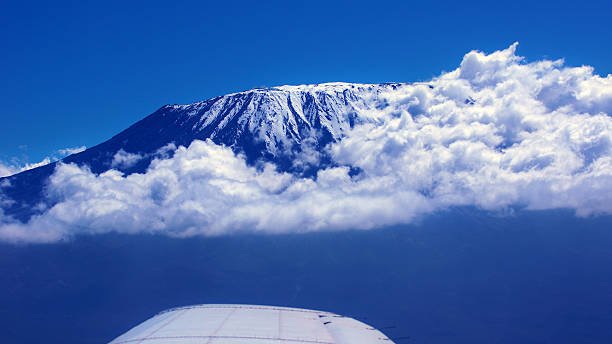
Mount Kilimanjaro rises through several ecological zones over a relatively short horizontal distance.
This creates an unusual transition from cultivated lower slopes and montane forest into heath, moorland, alpine desert and ultimately the arctic summit environment.
Different birds are associated with different elevations, so the species encountered near the park gates may be very different from those seen above the treeline.
Tanzania National Parks specifically describes Kilimanjaro as supporting montane forest birds as well as high elevation specialists, including sunbirds, chats and raptors.
The Kilimanjaro Montane Rainforest Zone
The montane forest forms a broad belt around Kilimanjaro at approximately 1,800 to 2,800 metres.
Tanzania Parks describes this as an exceptionally beautiful forest zone and notes that it is worth visiting even for people who do not intend to climb to the mountain's peaks.
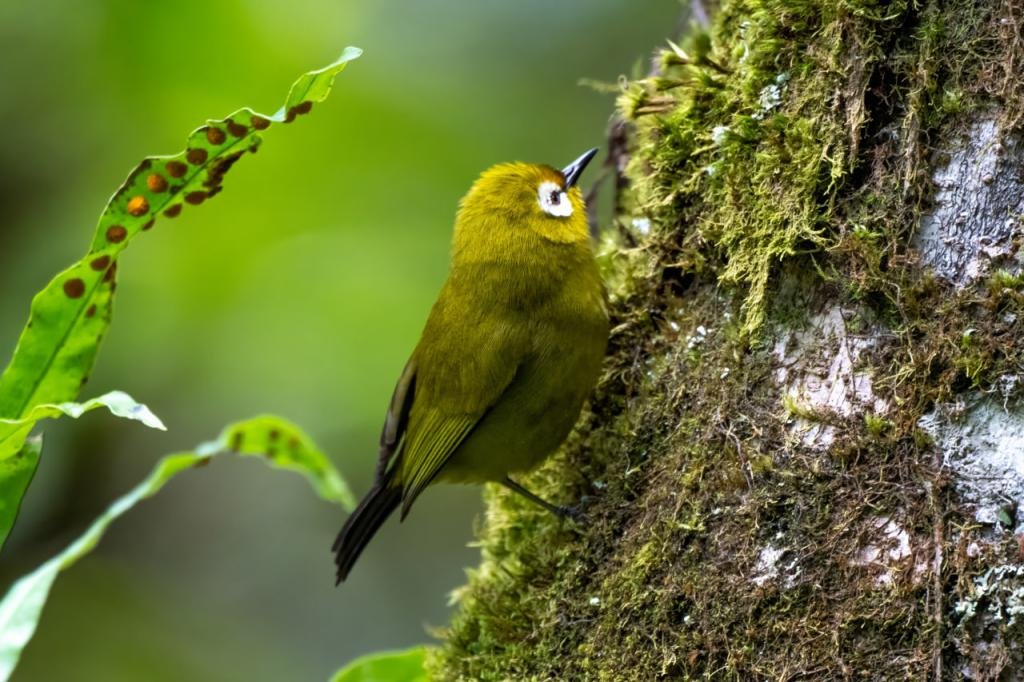
The environment includes tall forest trees, moss, ferns and other moisture-loving vegetation that creates multiple feeding and nesting levels for birds.
The dense canopy can make identification more challenging than bird watching in open savannah, but listening carefully for calls can help locate birds hidden among leaves and branches.
Bird Species You May See in the Kilimanjaro Forest
Species vary according to route, season and individual luck, so no particular sighting should be treated as guaranteed.
Bird guides for Kilimanjaro commonly highlight forest species such as Hartlaub's Turaco, hornbills, trogons, African Emerald Cuckoo and White-starred Robin among the birds associated with the mountain's montane vegetation.
Some birds are easier to locate by sound before they can be seen clearly.
A pair of lightweight binoculars can make a major difference because many forest birds remain high in the canopy or move quickly through dense vegetation.
Forest Birds to Watch For
- Hartlaub's Turaco
- Forest hornbills
- Trogons
- African Emerald Cuckoo
- White-starred Robin
- Sunbirds
- Chats and other mountain birds at higher elevations
- Raptors soaring above open ridges and moorland
These should be treated as examples of Kilimanjaro birdlife rather than a checklist that every visitor will complete.
Hartlaub's Turaco on Kilimanjaro
Hartlaub's Turaco is one of the colorful forest birds associated with East African montane habitats and is among the species reported from Kilimanjaro's forest zone.
Its green body and flashes of crimson in the wings can make it particularly memorable when it moves between trees.
Turacos can sometimes be heard before they are seen, which makes learning a few bird calls useful for visitors who are particularly interested in forest birding.
Trogons in the Kilimanjaro Forest
Trogons are another striking group associated with forest habitat around Kilimanjaro.
They often remain relatively still inside vegetation, meaning careful observation can be more effective than walking quickly through the forest.
Bright plumage can look obvious in a photograph but surprisingly well concealed when filtered through leaves, shade and forest light.
Hornbills Around Kilimanjaro
Hornbills are among the larger birds that bird watchers may encounter in the forest environment.
Their size, strong flight and distinctive calls can make them easier for beginners to notice than smaller canopy species.
Fruit-bearing trees can be particularly interesting places to watch quietly because many forest birds use them as feeding areas.
Sunbirds on Mount Kilimanjaro
Sunbirds are closely associated with flowering vegetation and can occur from lower forest areas into higher ecological zones.
Tanzania National Parks specifically mentions sunbirds among Kilimanjaro's characteristic birdlife, particularly as the mountain transitions toward the moorland.
Their small size and quick movements can make binoculars useful even when birds are relatively close to the trail.
Bird Watching Above the Rainforest
The birding experience does not end when climbers leave the forest.
As vegetation becomes shorter and more open, the bird community changes.
Tanzania Parks notes that White-necked Raven, Lammergeyer and Alpine Chat are associated with high altitude areas of Kilimanjaro.
Raptors may also be easier to observe once the canopy disappears and views open across ridges and moorland.
Best Kilimanjaro Routes for Rainforest Bird Watching
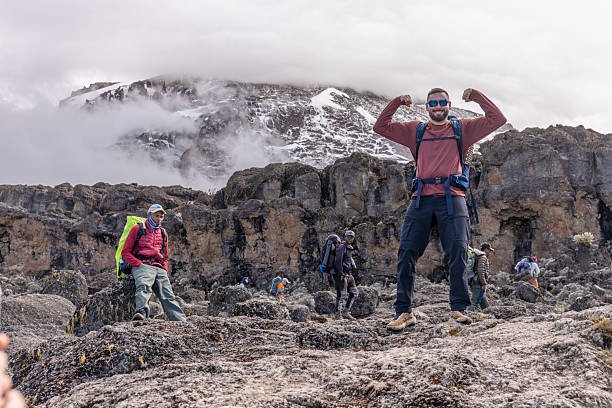
Most major Kilimanjaro routes begin by passing through some form of lower montane vegetation, but the character and duration of the forest experience differ.
Marangu, Machame and Lemosho all provide opportunities to observe forest birds before climbers reach higher ecological zones.
The best route should still be selected according to acclimatization, trek duration and overall climbing goals rather than birding alone.
Dedicated bird watchers who do not intend to summit can also consider forest-focused walks instead of a complete mountain expedition.
Marangu Route Bird Watching
Marangu begins around the eastern and southeastern slopes of Kilimanjaro and passes through substantial forest before reaching the heath zone.
The lower trail toward Mandara provides opportunities to listen and watch for forest birds while also looking for monkeys and other wildlife.
Because Marangu can also be used for shorter nature-focused visits, it can be suitable for travellers whose main interest is experiencing Kilimanjaro's lower forest rather than attempting the summit.
Machame Route Bird Watching
The opening stage of Machame passes through dense forest before emerging into the heath and moorland zone.
Birding can be productive during the early section, but climbers should remember that the first day's objective is still reaching camp safely and on schedule.
Keeping binoculars easily accessible allows quick observations without repeatedly stopping the trekking group.
Lemosho Route Bird Watching
Lemosho begins on Kilimanjaro's western side and provides a scenic approach before eventually joining the busier southern route system.
The early stages include forest and lower mountain habitat where wildlife observation can add another dimension to the trek.
Lemosho is particularly attractive for travellers who want a longer mountain itinerary that combines scenery, acclimatization and nature observation.
Useful Bird Watching Routes and Areas
- Marangu: Extensive lower forest section
- Machame: Dense rainforest on the first trekking stage
- Lemosho: Scenic western approach with forest habitat
- Nature trails: Useful for visitors who want forest experiences without a summit expedition
Do You Need to Climb Kilimanjaro to Go Bird Watching?
No. Kilimanjaro's lower forest can be valuable as a destination on its own.
Tanzania Parks specifically states that the montane forest is worth visiting even when visitors are not climbing to the peaks and highlights existing nature trails through the forest belt.
This makes Kilimanjaro rainforest bird watching suitable for travellers who may not want the physical demands, time commitment or altitude exposure of a full summit expedition.
A forest-oriented day experience can focus much more heavily on vegetation, bird calls, photography and wildlife observation.
Best Time of Day for Kilimanjaro Bird Watching
Early morning is often a rewarding period for forest birding because many species become active after dawn.
Cooler temperatures and lower trail activity can also make it easier to listen for bird calls.
However, climbers follow a fixed trekking schedule, so dedicated birders should discuss their interest with the guide rather than delaying the group unexpectedly.
Bird activity continues throughout the day, and patient observation can produce sightings even when morning conditions are missed.
Best Season for Kilimanjaro Rainforest Bird Watching
Kilimanjaro can be visited throughout the year, but birding conditions change with rainfall, vegetation and weather.
Drier periods generally make walking easier and can provide clearer observation conditions.
Wetter periods create greener vegetation and may increase bird activity in some circumstances, but rain, mist and dense foliage can make photography and visual identification more difficult.
Bird watchers should therefore choose travel dates according to whether comfortable trail conditions or lush forest atmosphere matters more to them.
Bird Watching During the Rainy Season
The rainforest becomes particularly lush during wetter periods.
Moss, ferns and other vegetation can create beautiful forest scenery, while cloud and mist give the mountain a dramatic atmosphere.
The disadvantages are muddier trails, reduced visibility and the need to protect binoculars and cameras carefully.
A reliable waterproof jacket, rain cover and dry bag become important for serious bird watchers carrying optical equipment.
What Binoculars Should You Take?
Compact or mid-sized binoculars are generally more practical than very large heavy models during a Kilimanjaro trek.
The aim is to have enough magnification to identify canopy birds while keeping the equipment comfortable enough to carry for several days.
Water resistance is particularly useful because the rainforest can be damp even when heavy rain is not falling.
Binoculars should remain accessible rather than packed deep inside the main duffel carried by porters.
Bird Watching Equipment for Kilimanjaro
- Lightweight binoculars
- Bird identification guide or offline birding app
- Camera if photography is important
- Waterproof binocular or camera protection
- Small notebook or phone for recording sightings
- Comfortable hiking boots
- Waterproof jacket and trousers
- Small daypack
Bird Photography in the Kilimanjaro Rainforest
Forest bird photography can be challenging because light under the canopy is weaker than in open landscapes.
Birds may also move quickly between branches, while leaves and twigs can interfere with autofocus.
A camera capable of working well at higher ISO settings can be useful, but equipment weight should remain reasonable if photography is being combined with a multi-day climb.
Dedicated bird photographers may prefer a forest-focused visit where there is more time to wait quietly rather than trying to photograph birds during a summit trekking schedule.
Protecting Camera Equipment in the Rainforest
Humidity and sudden rainfall can affect cameras, lenses and binoculars.
Carry a waterproof cover or dry bag and avoid leaving equipment exposed when rain begins.
A microfiber cloth is useful for removing moisture from lenses and binocular eyepieces.
When moving from cool, damp outdoor conditions to warmer environments, allow photography equipment to adjust gradually to reduce condensation problems.
Listening Is as Important as Looking
Dense rainforest can hide birds that are only a few metres away.
Learning to recognize bird calls can therefore dramatically improve the experience.
When a guide hears a distinctive call, stopping quietly and watching the surrounding canopy may reveal a bird that would otherwise remain invisible.
Beginners do not need to know every call in advance. Simply becoming accustomed to stopping, listening and locating the direction of a sound can make bird watching much more productive.
Walking Quietly Through the Forest
Loud conversations can make wildlife more difficult to observe.
Bird watchers should speak quietly when conditions permit and avoid unnecessary shouting.
During a summit climb, however, safety communication from guides always takes priority.
The goal is to remain observant without becoming separated from the trekking group.
Do Not Leave the Trail to Follow a Bird
Bird watchers can become excited when an unusual species disappears into vegetation.
However, visitors should remain on authorized trails and follow guide instructions.
Kilimanjaro's forest is a protected habitat, and leaving the trail can disturb vegetation, wildlife and fragile ground conditions.
Tanzania National Parks emphasizes responsible trekking and protecting the mountain's habitats.
Avoid Disturbing Birds for Photographs
A good photograph should never require chasing, touching or repeatedly disturbing a bird.
Visitors should avoid approaching nests closely or interfering with feeding behavior.
Playback of bird calls should also be used cautiously because repeatedly attracting territorial birds can alter their normal behavior.
Responsible bird watching prioritizes the welfare of wildlife over obtaining a closer photograph.
Other Wildlife You May See While Bird Watching
The Kilimanjaro forest supports much more than birds.
Tanzania National Parks identifies black-and-white colobus monkeys, blue monkeys, bushbuck and duiker among the mammals associated with the montane forest.
Large mammals are generally more difficult to encounter because dense vegetation provides extensive cover.
For many visitors, monkeys are among the most noticeable mammals along lower forest trails.
Wildlife Beyond Birds
- Black-and-white colobus monkeys
- Blue monkeys
- Forest duikers
- Bushbuck
- Butterflies and other insects
- Reptiles and smaller forest animals
Kilimanjaro Rainforest Plants and Bird Habitat
The forest's vegetation is fundamental to its birdlife.
The montane rainforest includes trees such as camphorwood, yellowwood, African pencil cedar and other forest species, while ferns, mosses, orchids and lianas contribute to the complex understory and canopy structure.
Different layers of vegetation provide feeding, nesting and shelter opportunities for different birds.
Understanding the forest habitat can therefore make bird watching more interesting than simply trying to count species.
Bird Watching for Beginners
You do not need to be an experienced ornithologist to enjoy Kilimanjaro birdlife.
Beginners can start by observing bird size, color, beak shape, behavior and the part of the forest where the bird was seen.
Taking a quick photograph can sometimes help with later identification, even if the image is not professionally sharp.
A guide may also recognize common species from their calls or behavior.
Bird Watching for Experienced Birders
Experienced birders may want to dedicate additional time to lower elevation forest areas rather than treating birding only as a side activity during a summit trek.
A specialist nature walk can provide more opportunities to stop, listen and scan the canopy without the pressure of reaching a high-altitude camp.
Visitors can also combine Kilimanjaro birding with other northern Tanzania habitats for a wider bird-focused itinerary.
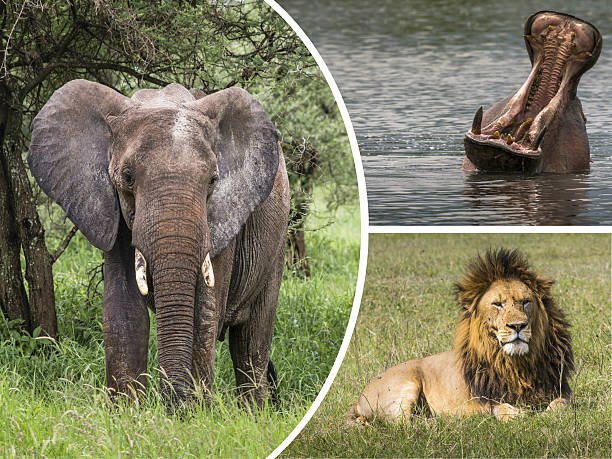
Combining Kilimanjaro Bird Watching with a Safari
A Kilimanjaro rainforest experience can be combined with a wildlife safari after the mountain.
This creates an interesting contrast between montane forest species and birds associated with savannah, woodland, wetlands and lakes.
Travellers with a strong birding interest can build an itinerary around several habitat types rather than concentrating only on large mammals.
Arusha, Tarangire, Lake Manyara, Ngorongoro and Serengeti can each add very different landscapes and bird communities to a Tanzania trip.
Can Children Enjoy Kilimanjaro Rainforest Bird Watching?
A lower forest experience can be more suitable for families than a complete summit expedition because it avoids the extreme altitude of the upper mountain.
Children interested in wildlife can look for colorful birds, monkeys, insects and unusual plants along the route.
The exact walking distance should be selected according to the child's age, fitness and hiking experience.
Families should still use a properly organized park visit with an appropriate guide.
What to Wear for Kilimanjaro Rainforest Bird Watching
Forest conditions can change quickly from warm and humid to cool and wet.
Light layers provide flexibility, while a waterproof jacket should remain easily accessible.
Good hiking shoes are important because rain can make roots, rocks and soil slippery.
Neutral outdoor clothing can also be practical for wildlife observation because it avoids unnecessarily bright visual disturbance.
Kilimanjaro Rainforest Bird Watching Packing List
- Binoculars
- Camera or smartphone
- Waterproof jacket
- Comfortable hiking shoes
- Light fleece or warm layer
- Small daypack
- Drinking water
- Sun protection
- Waterproof protection for electronics
- Bird guide or offline identification app
How to Improve Your Chances of Seeing Birds
Move calmly, keep binoculars accessible and listen more than you talk.
Scan different layers of the forest rather than looking only at eye level.
Some birds feed high in the canopy while others remain closer to the forest floor or edges.
When you hear an unfamiliar call, stop safely and watch the surrounding vegetation for movement.
Do Not Expect a Fixed Bird Checklist
Wildlife observation is unpredictable.
A species seen easily by one group may not appear at all for another group travelling the same route several days later.
Weather, food availability, season, noise and simple chance can all affect sightings.
A good Kilimanjaro bird watching experience should therefore focus on exploring the habitat rather than promising a specific number of species.
Why a Guide Makes Bird Watching Easier
A guide familiar with Kilimanjaro understands the trail, forest environment and practical requirements of visiting the national park.
Local experience can also help visitors recognize where wildlife is commonly encountered and when it is safe to stop.
Dedicated birders should communicate their interests before the trip so the itinerary can be planned appropriately rather than mentioning serious birding goals only after the climb has started.
Responsible Kilimanjaro Bird Watching
Kilimanjaro is a protected national park and an ecologically important mountain environment.
Visitors should remain on approved trails, avoid littering, follow guide instructions and leave birds, nests, plants and other wildlife undisturbed.
Tanzania National Parks highlights habitat conservation and responsible trekking as part of protecting Kilimanjaro's diverse ecosystems.
The goal is to leave the forest exactly as it was found so future visitors can enjoy the same wildlife experience.
Final Kilimanjaro Rainforest Bird Watching Checklist 2026-2027
Before Entering the Forest
- Keep binoculars accessible
- Carry waterproof protection
- Wear comfortable hiking footwear
- Tell the guide that bird watching is important to you
- Walk quietly when conditions allow
- Listen carefully for calls
- Scan both canopy and understory
- Stay on authorized trails
- Do not disturb nests or wildlife
- Treat every sighting as a bonus rather than a guarantee
Frequently Asked Questions About Kilimanjaro Rainforest Bird Watching
Is Kilimanjaro good for bird watching?
Yes. Kilimanjaro National Park supports more than 179 bird species across its different vegetation zones, including montane forest birds and high altitude specialists.
Where is the best bird watching zone on Kilimanjaro?
The montane rainforest is especially productive because dense vegetation provides habitat for many forest birds, while different species can also be seen in the heath and moorland above.
How high is the Kilimanjaro rainforest?
Tanzania Parks describes the montane forest belt as extending approximately from 1,800 to 2,800 metres.
Do I need to climb to the summit to watch birds?
No. Tanzania Parks notes that the montane forest is worth visiting even for visitors who are not climbing to Kilimanjaro's peaks.
What birds can I see in the Kilimanjaro rainforest?
Possible forest species include turacos, hornbills, trogons, cuckoos, robins and other montane birds, although exact sightings vary and no individual species can be guaranteed.
Can I see birds on the Marangu Route?
Yes. Marangu passes through extensive lower montane forest before reaching the heath zone, providing good opportunities for forest wildlife observation.
Is Lemosho good for bird watching?
Yes. Lemosho begins through lower western mountain habitats and can provide wildlife and bird observation during the early stages before the route reaches higher elevations.
Should I bring binoculars to Kilimanjaro?
Yes, if bird watching or wildlife viewing interests you. Lightweight binoculars can reveal canopy birds that are difficult to identify with the naked eye.
Can I photograph birds in the Kilimanjaro rainforest?
Yes. Be prepared for low forest light, moving birds, rain and humidity, and keep camera equipment protected while walking.
What other wildlife lives in the Kilimanjaro forest?
Black-and-white colobus monkeys, blue monkeys, bushbuck and forest duikers are among the mammals associated with Kilimanjaro's montane forest.
Can beginners enjoy Kilimanjaro bird watching?
Yes. Beginners can enjoy bird colors, calls and behavior without needing advanced identification skills, and a knowledgeable guide can help explain the forest environment.
What birds occur at higher elevations?
Tanzania Parks identifies birds such as White-necked Raven, Lammergeyer and Alpine Chat among Kilimanjaro's higher-altitude birdlife.
Should bird watchers leave the trail to get closer?
No. Visitors should stay on authorized trails and follow guide instructions so wildlife and sensitive forest vegetation remain protected.
How do I plan Kilimanjaro Rainforest Bird Watching for 2026-2027?
Choose whether you want birding as part of a full Kilimanjaro climb or as a forest-focused visit, tell your operator that birds are an important interest, carry lightweight binoculars and weather protection, and allow enough time to observe the forest without disturbing wildlife.
Explore Kilimanjaro Rainforest Bird Watching 2026-2027
Discover Mount Kilimanjaro beyond the summit by exploring its montane rainforest, listening for forest birds, watching monkeys in the canopy and experiencing one of Tanzania's most distinctive mountain ecosystems with a professional guide.
Plan Your Kilimanjaro Experience

 Kilimanjaro Climb