Kilimanjaro Acclimatization Guide
A good Kilimanjaro Acclimatization Guide begins with one important point: climbing Mount Kilimanjaro is not only a fitness challenge.
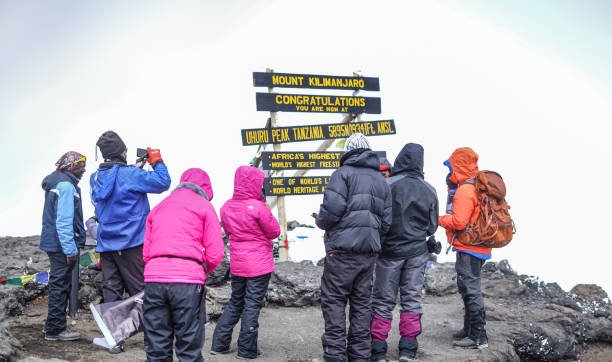
The mountain rises to 5,895 metres at Uhuru Peak, where the body is working with much less available oxygen than at lower elevation.
As climbers ascend, the body needs time to adapt to this changing environment.
This adjustment process is known as acclimatization.
Good cardiovascular fitness and strong legs may make the physical workload easier, but they do not guarantee how well someone will acclimatize.
This is why route duration, altitude profile, walking pace, rest, hydration, nutrition and health monitoring all matter.
Longer Kilimanjaro itineraries generally provide more time for gradual adjustment than compressed schedules.
Some routes also include sections where climbers gain elevation during the day and then descend to sleep lower.
This is commonly described as “climb high, sleep low.”
Even with good acclimatization planning, altitude related symptoms can still occur.
Climbers should communicate symptoms honestly with their guide and understand that descent may become necessary when health or safety requires it.
Kilimanjaro Acclimatization at a Glance
- Highest Point: Uhuru Peak at 5,895 m
- Main Principle: Allow the body time to adjust gradually
- Useful Strategy: Longer itineraries and gradual altitude gain
- Important Technique: Climb high and sleep lower where the itinerary allows
- Walking Style: Slow and steady
- Health Monitoring: Report symptoms honestly
- Fitness: Helpful but not protection against altitude illness
- Safety Priority: Descend when serious or worsening symptoms require it
What Is Acclimatization?
Acclimatization is the process through which the body adapts to reduced oxygen availability at higher altitude.
This adaptation takes time.
The faster someone gains elevation, the less time the body has to respond before sleeping higher.
This is one reason very short mountain itineraries can feel more demanding from an altitude perspective.
Acclimatization is not identical for every climber.
Two people of similar age and fitness can respond differently at the same elevation.
Why Is Acclimatization Important on Kilimanjaro?
Kilimanjaro rises from relatively low elevation to nearly 5,900 metres over only several trekking days.
This creates a major change in oxygen availability over a relatively short period.
Even climbers who feel strong on the lower mountain need to respect the altitude increase.
Good acclimatization planning gives the body more opportunity to adapt before reaching the highest camps and summit zone.
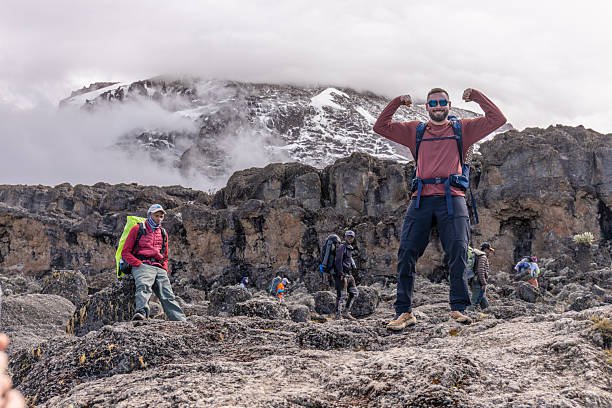
Fitness and Acclimatization Are Different
Strong cardiovascular fitness can make trekking physically easier, but it does not make a climber immune to altitude related illness. Fit climbers still need to ascend gradually and report symptoms honestly.
Does Being Fit Help with Acclimatization?
Fitness helps with the physical effort of walking uphill for several hours.
It can also help climbers conserve energy during long trekking days.
However, fitness does not directly determine how well someone will tolerate high altitude.
A very fit athlete may still develop significant altitude symptoms.
A recreational hiker may sometimes adjust differently.
Climbers should therefore avoid assuming that being physically strong allows them to walk faster than the recommended mountain pace.
Why Walking Slowly Matters
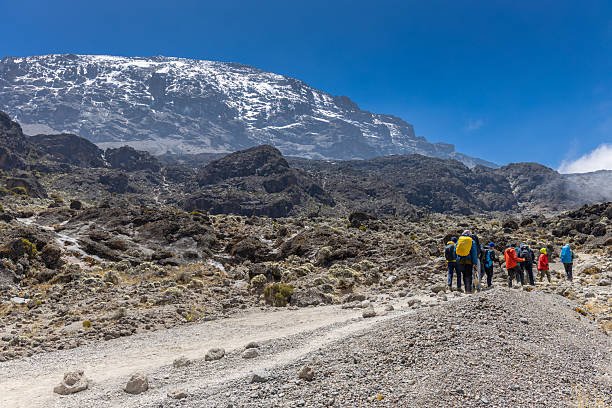
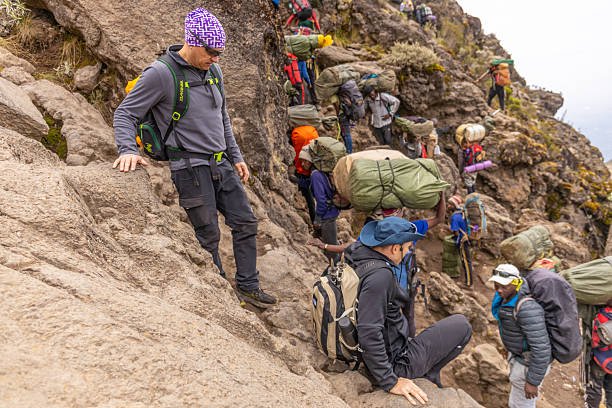
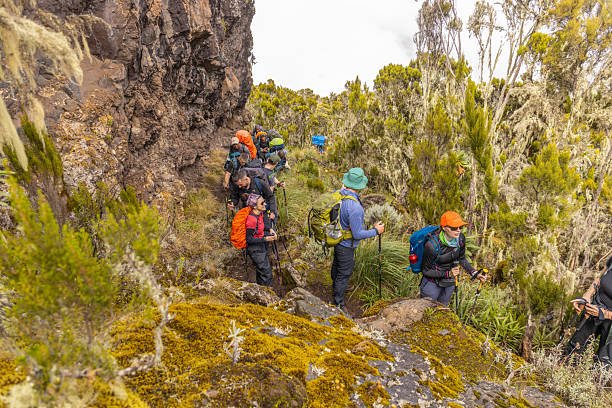
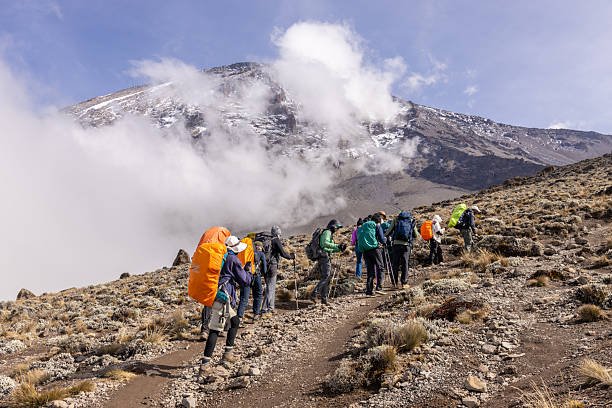
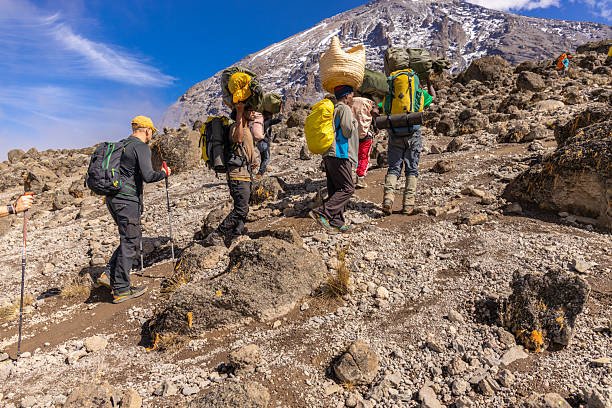
A controlled walking pace is one of the most important habits on Kilimanjaro.
Walking too quickly can waste energy and make the climb unnecessarily difficult.
As elevation increases, climbers should expect their pace to become slower.
This is normal.
Kilimanjaro is not a race.
Guides usually encourage climbers to walk slowly from the beginning rather than waiting until the high camps.
What Does “Pole Pole” Mean?
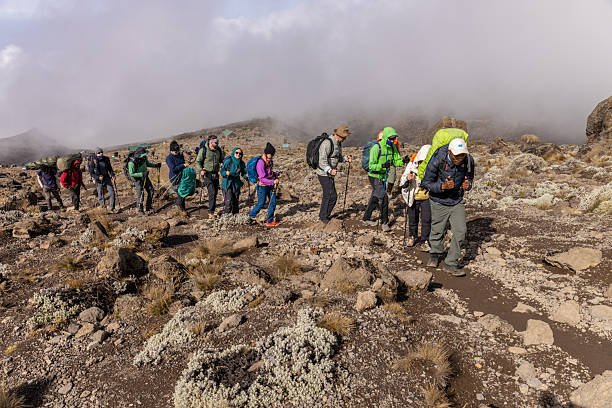
The Swahili phrase “pole pole” is commonly used on Kilimanjaro to encourage a slow and steady pace.
For acclimatization, this is more than a slogan.
A controlled pace helps climbers conserve energy while the body is adapting to increasing altitude.
Beginners should resist the temptation to race ahead when the lower sections feel easy.
What Does “Climb High, Sleep Low” Mean?
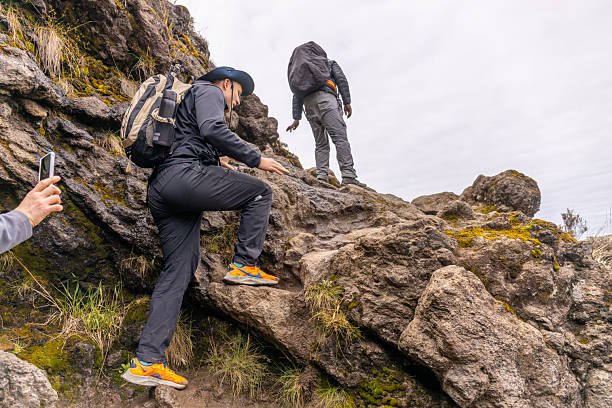
“Climb high, sleep low” describes an acclimatization strategy where climbers reach a higher elevation during the day and then descend to sleep at a lower altitude.
This pattern gives the body exposure to higher altitude without requiring the climber to sleep at that maximum elevation immediately.
Some Kilimanjaro itineraries naturally include this style of altitude profile.
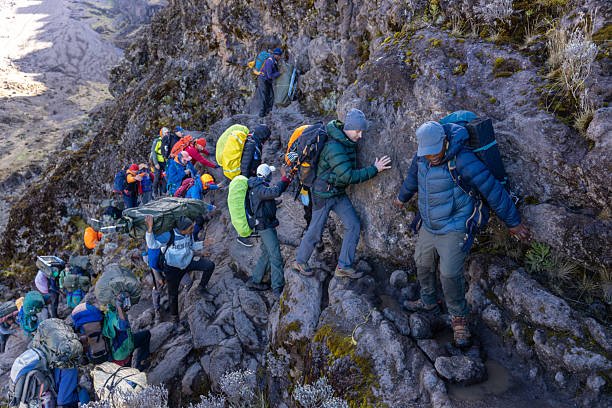
A classic example is trekking to Lava Tower at approximately 4,600 metres before descending to Barranco Camp on Lemosho or Machame based itineraries.
Lava Tower and Acclimatization
Lava Tower is an important high point on several Kilimanjaro itineraries.
Climbers may reach approximately 4,600 metres during the day before descending to a lower overnight camp.
The purpose is not to race to Lava Tower.
The day should be approached slowly and with careful attention to how each person is responding to altitude.
Some climbers may experience headache, reduced appetite or fatigue during this section.
Does a Longer Kilimanjaro Route Help Acclimatization?
Longer itineraries usually provide more time for gradual altitude adjustment.
This does not guarantee summit success.
However, spending additional days ascending can reduce how compressed the altitude gain becomes.
For this reason, travellers should compare route duration as well as route name when selecting a Kilimanjaro climb.
Short Routes versus Longer Routes
A shorter route may look attractive because it reduces the total number of trekking days.
However, fewer days can also mean less time for acclimatization.
A longer itinerary involves more total walking, but the extra time can help create a more gradual progression toward the summit zone.
Route choice should balance fitness, available time, preferred terrain, sleeping style and acclimatization opportunity.
Do Not Choose Only by the Fewest Days
Saving one or two mountain days may make an itinerary more compressed. Climbers should consider the altitude profile and acclimatization opportunity rather than duration alone.
Lemosho Route Acclimatization
Lemosho is often operated over seven or eight days.
The route begins on the western side of Kilimanjaro and gradually crosses toward the southern circuit.
Longer Lemosho itineraries provide multiple days before the summit attempt.
The route may include Lava Tower followed by a descent to Barranco, creating a useful climb high, sleep lower pattern.
The exact itinerary should always be checked before booking because different operators may offer different schedules.
Machame Route Acclimatization
Machame is commonly offered as a six or seven day climb.
The seven day version normally provides more time than the six day schedule.
The route also commonly includes the Lava Tower to Barranco section.
After Barranco, the itinerary continues toward Karanga and Barafu depending on the number of days.
Climbers should compare the exact camp schedule before choosing between six and seven days.
Marangu Route Acclimatization
Marangu is commonly offered over five or six days.
The six day version normally includes an additional acclimatization day around Horombo Hut.
A typical acclimatization walk may move toward Zebra Rocks or another suitable higher point before returning to Horombo to sleep.
The five day version is more compressed because climbers move from Horombo toward Kibo without the separate acclimatization day.
Rongai Route Acclimatization
Rongai approaches Kilimanjaro from the northern side.
Longer Rongai itineraries may provide additional time before summit night.
The route commonly moves through camps such as Simba, Second Cave or Kikelewa, Mawenzi Tarn and Kibo depending on itinerary length.
An additional acclimatization day around Mawenzi can be included on longer schedules.
Northern Circuit Acclimatization
The Northern Circuit uses a longer journey around the mountain.
The additional trekking days provide more time at progressively higher elevations before the summit attempt.
Climbers should still walk slowly, monitor symptoms and understand that longer duration does not remove altitude risk.
What Is an Acclimatization Day?
An acclimatization day does not necessarily mean lying in camp all day.
It may include a controlled walk to a higher elevation followed by a return to the same camp for another night.
The exact activity depends on the route and mountain guide.
The goal is additional altitude exposure without unnecessary exhaustion.
Horombo Acclimatization Day
On a six day Marangu itinerary, climbers normally spend an extra day based at Horombo Hut.
A guided acclimatization walk may move toward Zebra Rocks.
The climbers then return to Horombo for another overnight before continuing toward Kibo Hut.
This gives the body more time at altitude than the five day Marangu schedule.
Mawenzi Acclimatization on Rongai
Longer Rongai itineraries may provide additional time around Mawenzi Tarn.
An acclimatization walk may be organized according to weather, guide planning and individual condition.
The exact route and elevation should be determined by the mountain team rather than treated as fixed regardless of circumstances.
Hydration and Acclimatization
Regular hydration is important during high altitude trekking.
Climbers should drink consistently according to thirst, conditions and guide advice.
Trying to force excessive amounts of water is not a substitute for proper acclimatization.
Water should be readily accessible in the daypack.
Cold conditions may reduce the desire to drink, so climbers should remain aware of hydration throughout the day.
Nutrition at Altitude
Appetite may decrease as elevation increases.
Eating regularly still helps support energy during long trekking days.
Climbers should communicate food allergies and dietary requirements before the expedition.
Personal snacks can also be useful during long hiking days according to individual preference.
Sleep at Altitude
Some climbers sleep poorly as they gain elevation.
Sleep disturbance can occur at altitude and does not automatically mean the climb must end.
However, sleep quality should be considered together with other symptoms.
Climbers should discuss unusual or worsening symptoms with the guide.
Common Mild Altitude Symptoms
Some climbers experience headache, reduced appetite, unusual fatigue, mild nausea, dizziness or sleep disturbance as elevation increases.
These symptoms should never be hidden.
The guide needs accurate information to assess how each climber is responding.
Symptoms that worsen or occur together with more concerning signs require careful attention and appropriate action.
Possible Altitude Related Symptoms
- Headache
- Reduced appetite
- Nausea
- Unusual fatigue
- Dizziness
- Difficulty sleeping
When Altitude Symptoms Become More Concerning
Worsening symptoms should be taken seriously.
Severe weakness, confusion, significant difficulty with coordination or serious breathing difficulty can indicate a more urgent situation.
High altitude illness can become dangerous.
The mountain guide may recommend or require descent when continuing higher is inappropriate.
Climbers should never attempt to hide serious symptoms to protect a summit attempt.
Descent Can Be the Correct Decision
If symptoms are serious, worsening or otherwise concerning, continuing higher may be unsafe. The guide's safety decision should take priority over reaching the summit.
Daily Health Checks on Kilimanjaro
Health monitoring may be carried out during the climb according to the confirmed program.
Guides may ask about headache, nausea, appetite, hydration, sleep, fatigue and general condition.
These conversations are important because symptoms can change as climbers move higher.
Climbers should answer honestly rather than trying to appear stronger than they feel.
Using a Pulse Oximeter
A pulse oximeter may be used as one part of mountain health monitoring where included in the trekking program.
It can provide information that the guide considers together with symptoms and overall condition.
A single device reading should not be treated as the only factor when making safety decisions.
Professional guide assessment and the climber's actual symptoms remain important.
Emergency Oxygen
Emergency oxygen may be carried according to the confirmed mountain safety arrangements.
Oxygen is an emergency resource rather than a reason to continue ascending when descent is medically necessary.
Climbers should understand the operator's emergency procedures before beginning the trek.
Altitude Medication
Some travellers discuss altitude medication with an appropriate medical professional before the climb.
Medication decisions depend on individual medical history and should not be based solely on general internet advice.
Climbers considering prescription altitude medication should seek professional medical guidance before travelling.
Medication should not be used as a reason to ignore serious or worsening symptoms.
Do Altitude Training Masks Help?
Altitude training masks increase breathing resistance but do not reproduce the lower oxygen pressure found at high altitude.
They should not be treated as a substitute for gradual ascent and appropriate acclimatization.
General endurance training remains useful for physical preparation, but actual altitude adaptation requires exposure to altitude.
Can You Prepare at High Altitude before Kilimanjaro?
Travellers who live near mountains may have opportunities to hike or spend time at elevation before travelling.
This can provide useful experience with altitude.
Not everyone has this option.
Many Kilimanjaro climbers prepare at low elevation and rely on an appropriate mountain itinerary for acclimatization.
Does Acclimatization before Travel Last Forever?
Altitude adaptation is not permanent.
Any benefit from previous altitude exposure depends on timing, elevation and individual response.
Travellers should still approach Kilimanjaro conservatively even if they recently spent time at altitude.
How Summit Night Affects Acclimatization
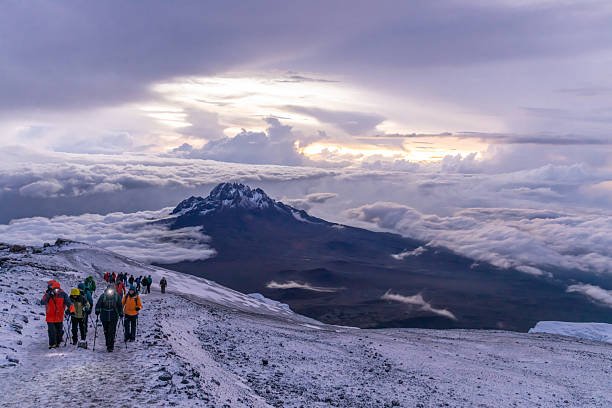
Summit night moves climbers into the highest part of the mountain.
The attempt normally begins late at night or around midnight depending on the route and guide plan.
Climbers move slowly because of low oxygen availability and the need to conserve energy.
The summit zone is not a place to rush.
Any significant deterioration in condition should be reported immediately.
Barafu Camp and Summit Preparation
Machame and Lemosho based routes commonly use Barafu Camp before the summit attempt.
Climbers normally arrive, eat, organize equipment and rest before leaving later that night.
The body is already at high altitude, so pacing, hydration, eating and health monitoring remain important.
Kibo Hut and Summit Preparation
Marangu and Rongai based summit approaches commonly use Kibo Hut or the Kibo area before summit night.
Climbers prepare warm clothing, headlamp, water and snacks before resting.
The guide also reviews the condition of each climber before departure.
What If You Feel Strong at High Altitude?
Feeling good is positive, but it does not mean you should suddenly walk much faster.
High altitude can change how the body feels over time.
Maintain the controlled pace recommended by the guide.
Conserve energy for the summit attempt and descent.
What If You Have a Headache?
A headache at altitude should be reported to the guide.
The guide will consider the headache together with elevation, other symptoms, hydration, appetite and overall condition.
Do not hide it because you are worried about being prevented from continuing.
Accurate information helps the guide make safer decisions.
What If You Lose Your Appetite?
Reduced appetite can occur at altitude.
Try to continue eating enough to support the physical workload where possible.
Tell your guide if appetite loss becomes significant or occurs together with other symptoms.
What If You Cannot Sleep?
Sleep can become more difficult at higher camps.
One poor night does not automatically mean a climber cannot continue.
However, sleep disturbance should be discussed together with other symptoms and general condition.
What If You Feel Nauseous?
Nausea should be reported to the guide.
Its significance depends on severity, whether it is worsening and whether other symptoms are present.
Do not assume every symptom is harmless simply because other climbers have experienced something similar.
Does Drinking More Water Guarantee Better Acclimatization?
No.
Regular hydration is important, but drinking excessive amounts of water does not guarantee altitude adaptation.
Climbers should follow appropriate hydration practices rather than treating water as a cure for altitude illness.
Does Eating More Guarantee Acclimatization?
No.
Food helps maintain energy for trekking.
It does not remove the physiological effects of altitude.
Good nutrition should be combined with gradual ascent, slow pacing and appropriate health monitoring.
Can You Acclimatize Faster by Training Hard?
Hard physical training before the expedition improves fitness.
It does not train the body to instantly acclimatize once on Kilimanjaro.
In fact, very fit climbers should be particularly careful not to rush because the lower mountain may feel physically easy.
Acclimatization and Beginners
First time high altitude trekkers should understand that altitude may feel very different from normal hiking.
Beginners can prepare physically and learn the basic signs of altitude related problems before travel.
A longer, well paced itinerary may be useful because it provides more time to adjust.
Beginners should ask questions during the briefing and communicate openly throughout the climb.
Acclimatization and Experienced Hikers
Previous hiking experience can improve equipment management, pacing and physical comfort.
It does not guarantee altitude tolerance.
Even experienced mountain trekkers should treat Kilimanjaro's elevation seriously.
Acclimatization for Older Climbers
Age alone does not determine altitude response.
Fitness, health, recovery and individual physiology all matter.
Older travellers may prefer a longer itinerary and a gradual training plan.
Anyone with relevant medical concerns should seek appropriate professional medical guidance before undertaking high altitude trekking.
Acclimatization and Children
Family climbs require additional care.
Younger climbers need to be able to communicate symptoms clearly.
Age related park requirements and appropriate professional medical advice should be considered when planning a child or adolescent Kilimanjaro trek.
Parents should not assume that youth automatically means better altitude tolerance.
Travel Insurance and High Altitude
Travellers should arrange insurance suitable for the altitude of the planned Kilimanjaro trek.
The policy should be checked for medical treatment and evacuation coverage.
Insurance documents and emergency contact information should remain accessible during the trip.
Emergency Descent
Descent is one of the most important responses when serious altitude problems develop.
The mountain guide may decide that continuing upward is no longer appropriate.
Climbers should follow this decision even when they feel emotionally committed to reaching the summit.
The mountain will always remain there for another attempt.
Acclimatization and Summit Success
Better acclimatization opportunities may improve a climber's chance of reaching the summit in good condition.
No route or acclimatization strategy can guarantee success.
Weather, health, altitude response, physical condition and other factors still influence the outcome.
Acclimatization Improves Preparation, Not Certainty
A longer and more gradual itinerary can provide additional time to adjust, but Kilimanjaro remains a high altitude mountain where individual response cannot be guaranteed in advance.
Kilimanjaro Acclimatization Checklist
Before and During Your Kilimanjaro Climb
- Choose a suitable route length
- Compare the actual altitude profile
- Consider longer itineraries where practical
- Walk slowly from the first trekking day
- Use acclimatization walks where included
- Follow climb high, sleep lower opportunities
- Drink regularly according to conditions and guide advice
- Continue eating to support trekking energy
- Report headache, nausea, dizziness or unusual fatigue
- Participate honestly in daily health checks
- Do not rush because you feel physically strong
- Follow guide instructions regarding altitude safety
- Accept descent when safety requires it
- Remember that summit success cannot be guaranteed
Frequently Asked Questions
What is Kilimanjaro acclimatization?
Acclimatization is the process through which the body adjusts to lower oxygen availability as elevation increases.
Why is acclimatization important on Kilimanjaro?
Kilimanjaro rises to 5,895 metres, so climbers need time to adjust as oxygen availability decreases during the ascent.
Does fitness improve acclimatization?
Fitness can make the physical workload easier, but it does not make a climber immune to altitude related illness or guarantee acclimatization.
What does climb high, sleep low mean?
It means reaching a higher elevation during the day and then descending to sleep at a lower altitude, giving the body exposure to higher elevation without immediately sleeping there.
Why is Lava Tower important for acclimatization?
On several routes climbers may reach approximately 4,600 metres at Lava Tower before descending to a lower camp such as Barranco, creating a climb high and sleep lower pattern.
Are longer Kilimanjaro routes better for acclimatization?
Longer itineraries generally provide more time for gradual altitude adjustment than compressed schedules, although they cannot guarantee summit success.
Does six day Marangu have an acclimatization day?
The six day Marangu schedule normally includes an additional day around Horombo Hut, often with a controlled acclimatization walk before returning to sleep at Horombo.
Is five day Marangu more compressed?
Yes. The five day version normally moves from Horombo toward Kibo without the separate acclimatization day included in the six day schedule.
Does drinking lots of water prevent altitude sickness?
No. Regular hydration is important, but excessive water intake does not guarantee acclimatization or prevent altitude related illness.
What symptoms should I report to my guide?
Report headache, nausea, dizziness, unusual fatigue, reduced appetite, sleep problems or any worsening change in your condition.
Can a guide ask me to descend?
Yes. A mountain guide may recommend or require descent if symptoms, illness, exhaustion or another safety concern makes continuing inappropriate.
Are daily health checks useful?
Yes. Regular discussion of symptoms, appetite, hydration, sleep and general condition helps the guide monitor how climbers are responding as elevation increases.
Does a pulse oximeter guarantee that I am safe?
No. A pulse oximeter may provide useful information, but it should be considered alongside symptoms, overall condition and professional guide assessment.
Can emergency oxygen replace descent?
Emergency oxygen may be an important safety resource, but it should not be treated as a reason to continue climbing when descent is necessary.
Should I take altitude medication?
Prescription altitude medication should be discussed with an appropriate medical professional who can consider your health history, medications and individual circumstances.
Do altitude masks prepare you for Kilimanjaro?
Altitude training masks increase breathing resistance but do not reproduce the lower oxygen pressure experienced at true high altitude.
Can beginners acclimatize successfully?
Beginners may acclimatize well, but individual response cannot be predicted. A suitable route, slow pace and honest health monitoring remain important.
Does poor sleep mean I must descend?
Not necessarily. Sleep disturbance may occur at altitude, but it should be considered together with other symptoms and discussed with the guide.
Can fit athletes get altitude sickness?
Yes. Excellent physical fitness does not make someone immune to altitude related illness.
Does walking slowly really matter?
Yes. A slow and controlled pace helps conserve energy and is an important part of managing the gradual ascent to high altitude.
Can summit success be guaranteed with a long route?
No. Longer routes may provide more acclimatization time, but altitude response, weather, health, pacing and other factors still influence summit progress.
What is the most important acclimatization advice for Kilimanjaro?
Choose an appropriate itinerary, walk slowly, use acclimatization opportunities, maintain sensible hydration and nutrition, communicate symptoms honestly and follow the mountain guide's safety decisions.
Plan Your Kilimanjaro Climb with Acclimatization in Mind
Choose a route and schedule that provides appropriate time for gradual ascent, follow a slow mountain pace and communicate openly with your guides as elevation increases.
Plan Your Kilimanjaro Climb

 Kilimanjaro Climb