Rongai Route Camping Experience
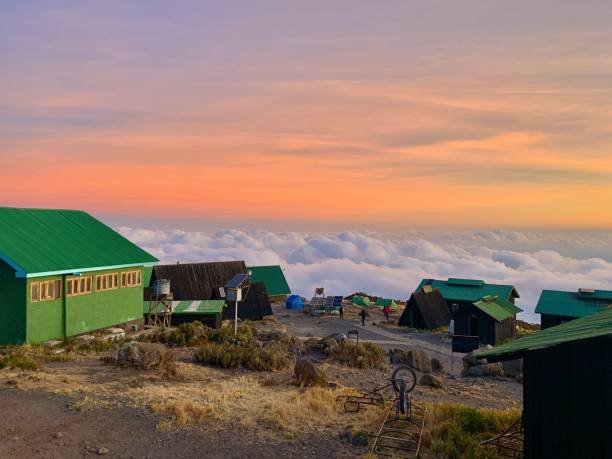
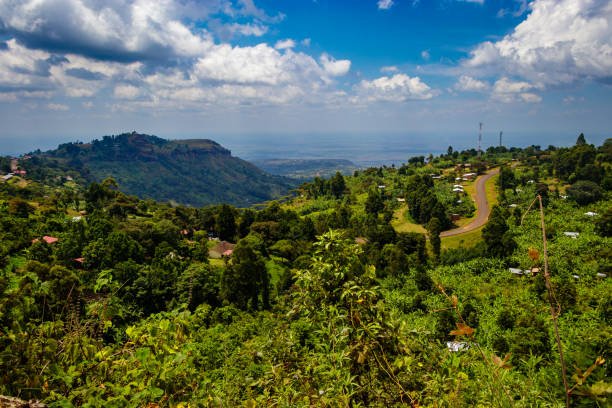
The Rongai Route Camping Experience offers a different way to experience Mount Kilimanjaro. The route approaches the mountain from the quieter northern side and uses tented camps as climbers progress through forest, heath, moorland and high alpine terrain toward Mawenzi and Kibo.
Instead of returning to the same side of Kilimanjaro, Rongai normally crosses toward Kibo for the summit attempt and then descends through the Marangu side. This creates a journey across different parts of the mountain while combining tented accommodation on the ascent with the eastern descent.
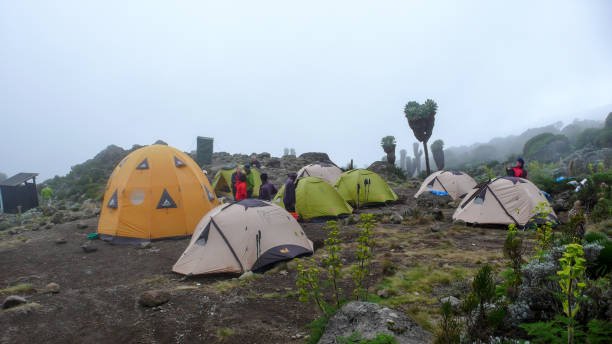
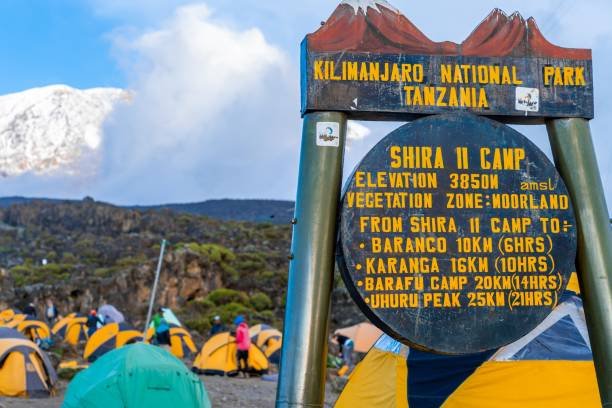
Camping is an important part of the expedition. At the end of each trekking day, your mountain team prepares the designated camp, food is cooked, health assessments are completed and climbers organise themselves for another night at increasing altitude.
As the route becomes higher, camp life becomes colder and more basic. Good equipment, an organised sleeping system and realistic expectations make a significant difference to the overall experience.
Rongai Camping Experience at a Glance
- Route: Rongai Route
- Approach: Northern Kilimanjaro
- Accommodation on ascent: Mountain tents
- Typical duration: 6 or 7 days
- Important camp areas: Rongai Cave, Kikelewa and Mawenzi Tarn
- High summit area: Kibo
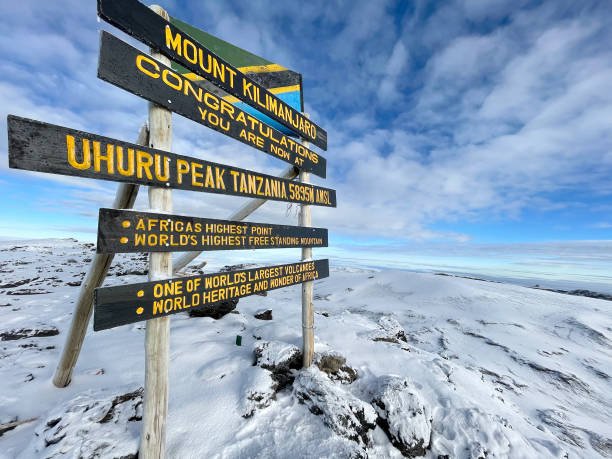
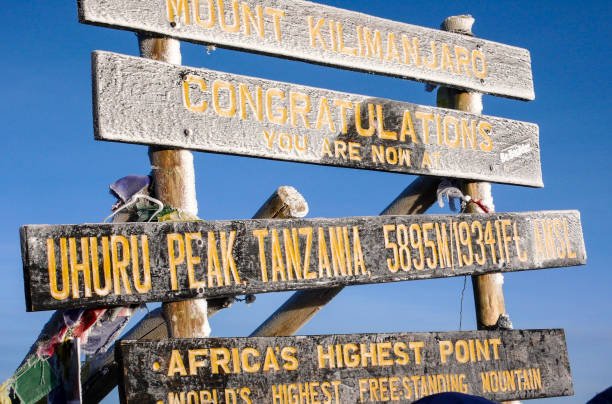
- Summit objective: Uhuru Peak, approximately 5,895 metres
- Descent: Marangu side
- Sleeping bag: Required
- Porter support: Provided according to expedition requirements
Is the Rongai Route Camping or Huts?
The Rongai ascent is primarily a camping experience.
Climbers sleep in tents at designated mountain camps as the route progresses toward Mawenzi and Kibo.
This is different from the standard Marangu ascent, where permanent mountain huts are used.
Rongai therefore suits travellers who want a northern Kilimanjaro approach but are comfortable sleeping in tents for several nights.
What Makes Rongai Camping Different?
Rongai approaches Kilimanjaro from a different direction than Machame or Lemosho.
The northern side can feel more remote during the early stages, and the route provides distinctive perspectives toward Mawenzi and the high mountain.
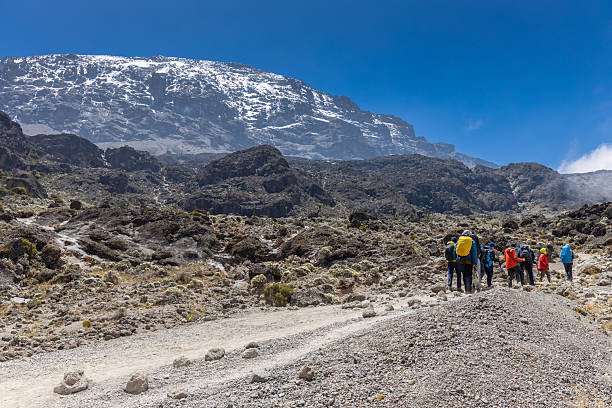
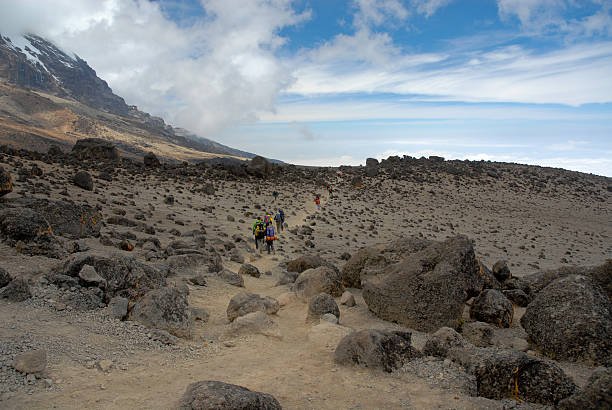
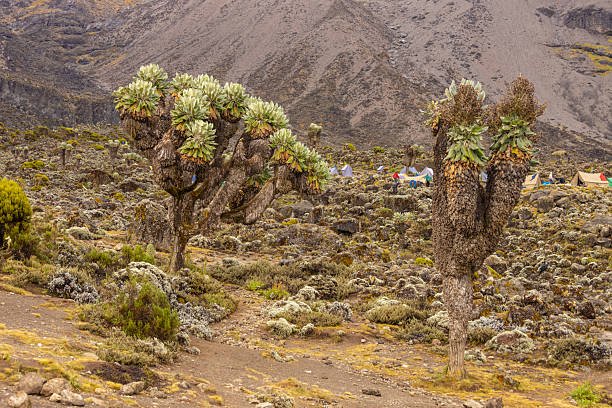
The camping experience changes dramatically as you move from lower vegetation into the open heath and eventually the rocky alpine environment beneath Mawenzi.
What to Expect from Rongai Camp Life
- Mountain sleeping tents
- Sleeping mattresses
- A personal sleeping bag
- Meals prepared by the mountain cook
- Porter support between camps
- Basic mountain sanitation facilities
- Regular health assessments
- Cold nights at higher elevation
- Changing views of Mawenzi and Kibo
Sleeping Tents on the Rongai Route
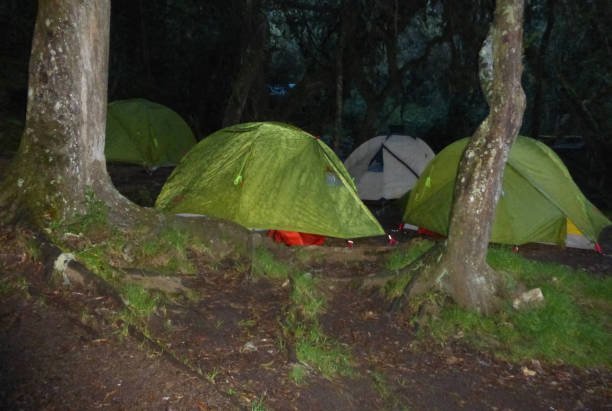
Our standard camping arrangements include mountain sleeping tents and mattresses.
After arriving at camp, organise your sleeping bag, dry clothing and personal equipment so everything needed during the night is easy to reach.
Keeping a tidy tent becomes increasingly valuable as temperatures drop and climbers become more tired at altitude.
Do You Need a Sleeping Bag?
Yes. A suitable warm sleeping bag is essential.
The tent protects you from direct exposure to wind and weather, but temperatures at higher Rongai camps can become very cold.
If you do not own a suitable sleeping bag, rental can be arranged in Moshi subject to size and availability.
Can You Request a Single Tent?
Yes. A single mountain tent can be requested subject to availability and the package selected.
Some solo travellers prefer a private sleeping tent, while couples or friends may choose to share.
Request this before the trek because an additional tent affects the amount of expedition equipment transported by the porter team.
Typical Rongai Camping Route
- Early route: Rongai Gate toward the first northern camp.
- Middle northern section: Progress through Second Cave and Kikelewa area.
- Higher camping: Mawenzi Tarn area.
- Acclimatization: Additional Mawenzi area walking on longer itineraries.
- High mountain: Cross the Saddle toward Kibo.
- Summit stage: Kibo toward Uhuru Peak.
- Descent: Continue toward Horombo and Marangu Gate.
First Night on the Northern Side
The first camp provides a gentle introduction to the Rongai camping system.
The lower route begins in a greener environment before gradually moving toward more open terrain.
This is the best time to establish an efficient camp routine before the expedition reaches colder and higher areas.
Change out of damp trekking clothing, keep your sleeping bag dry and organise tomorrow's layers before going to sleep.
Camping around Second Cave
The landscape opens as the route moves higher through heath and moorland.
Depending on the itinerary, Second Cave can form part of a trekking stage or overnight schedule.
Views across northern Kilimanjaro can be extensive when skies are clear.
Even when daytime temperatures feel comfortable, prepare for a noticeable temperature drop once the sun disappears.
Kikelewa Camping Experience
Kikelewa brings climbers farther into the higher northern mountain landscape.
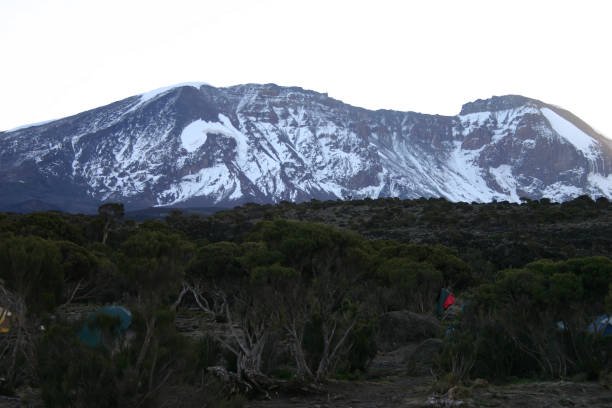
The surroundings become more open and the dramatic shape of Mawenzi becomes increasingly prominent.
Camp life remains simple: organise equipment, eat, hydrate, rest and prepare for the following stage.
Mawenzi Tarn Camping Experience
Mawenzi Tarn is one of the most distinctive camping environments on the Rongai Route.
The campsite lies beneath the jagged Mawenzi massif in a stark high altitude landscape.
For many travellers, this is one of the most memorable camping locations on Kilimanjaro because the scenery differs substantially from the broad slopes around Kibo.
At this elevation, nights can be very cold. Dry clothing, a warm sleeping bag and good camp organisation become especially important.
Acclimatization Camping at Mawenzi
Longer Rongai itineraries can include an additional day around Mawenzi for acclimatization.
A common approach is to walk higher during the day and return to Mawenzi Tarn to sleep.
This provides additional altitude exposure without immediately moving the sleeping camp higher.
The extra day can support acclimatization, but no itinerary can guarantee that every climber will adapt successfully.
Crossing the Saddle toward Kibo
After leaving Mawenzi, the route crosses the broad high altitude Saddle between Mawenzi and Kibo.
The landscape becomes increasingly barren and exposed.
This is a very different environment from the greener camps used earlier in the expedition.
By this point, every climber should have an established routine for hydration, layering, camp organisation and health communication.
Kibo and Summit Preparation
The high Kibo area is used before the Rongai summit attempt.
Once you arrive, the priority becomes preparation rather than unnecessary activity.
Eat, hydrate and organise all clothing and equipment needed during the night ascent.
Prepare for Summit Night
- Prepare dry base layers.
- Organise warm insulating layers.
- Prepare your summit jacket.
- Prepare warm gloves and hat.
- Check your headlamp.
- Check spare batteries.
- Prepare drinking water.
- Keep snacks easy to reach.
- Prepare trekking poles.
- Complete your health assessment honestly.
Summit Night on the Rongai Route
The summit stage is normally the most demanding part of the expedition.
Climbers begin during the night and progress slowly through cold, high altitude terrain toward the crater rim.
Those who remain in suitable condition can continue toward Uhuru Peak at approximately 5,895 metres.
The summit cannot be guaranteed. Altitude response, health, weather and guide assessment determine whether continuing is appropriate.
After the summit attempt, the route descends toward the Marangu side rather than returning through the same northern camps.
Why Rongai Does Not Return through the Same Camps
One distinctive feature of Rongai is that the ascent and descent use different sides of Kilimanjaro.
You approach through the north, move toward Kibo and then descend along the Marangu side after the summit stage.
This means climbers experience different terrain during ascent and descent instead of simply retracing the entire route.
Mountain Meals while Camping
A mountain cook prepares meals throughout the expedition according to the confirmed package.
Breakfast, lunch and dinner are arranged around the daily trekking schedule.
As the route becomes higher, some climbers notice reduced appetite. Continue trying to eat because the body requires energy for trekking and summit night.
Vegetarian and other dietary requirements should be communicated before departure.
Personal Snacks
Bring familiar snacks or energy foods that you know you can eat during longer walking stages.
Small snacks can be particularly useful when appetite is reduced or when you need quick energy without unpacking the main duffel.
Keep summit night snacks easily accessible in your daypack or jacket.
Water at Rongai Camps
Drinking water arrangements are organised as part of the mountain operation according to the confirmed package.
Carry suitable reusable bottles or a hydration system.
At higher camps, very cold conditions can make water management more difficult, so follow your guide's summit preparation advice carefully.
Toilet Facilities
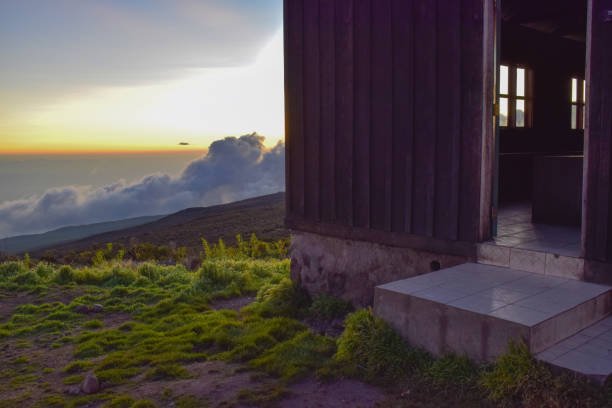
Designated mountain camps provide basic sanitation arrangements.
Travellers should expect functional mountain toilets rather than hotel bathroom facilities.
A private portable toilet can be arranged as an optional service when requested.
If this is important to you, confirm the service before departure so the equipment and porter requirements can be planned correctly.
Can You Shower on Rongai?
Normal hotel style showers should not be expected during the mountain camping section.
Climbers use basic personal hygiene routines, small washing arrangements and personal wipes while following mountain water and environmental guidelines.
A proper shower is normally available again after returning to your hotel following the trek.
Keeping Your Equipment Dry
Rain is possible on Kilimanjaro even when the northern approach may feel comparatively dry at times.
Important clothing and sleeping equipment should therefore remain protected inside waterproof internal bags.
Keep your sleeping bag, base layers and summit clothing as dry as possible throughout the expedition.
Useful Camp Organisation
- Keep sleeping clothes separate from trekking clothes.
- Use waterproof internal packing bags.
- Place your headlamp where you can reach it at night.
- Prepare tomorrow's layers before sleeping.
- Keep medication accessible.
- Do not leave wet clothing inside your sleeping bag.
Cold Nights on the Rongai Route
Nights become increasingly cold as the trek moves toward Mawenzi and Kibo.
Change into dry warm clothing shortly after reaching camp rather than waiting until temperatures fall further.
A warm hat, dry socks, base layers, insulating layers and a properly rated sleeping bag can make camp recovery more comfortable.
Sleeping at High Altitude
Sleep at high elevation may feel lighter or more interrupted than normal.
Some climbers notice changes in breathing, appetite or sleep quality as they progress upward.
Report significant symptoms to your guide because sleep and appetite are both relevant to the overall health assessment.
Daily Health Checks at Camp
Our mountain procedures include regular health assessments throughout the expedition.
Guides consider headache, nausea, appetite, energy, breathing, sleep quality and general walking condition.
A pulse oximeter provides additional information, but readings are considered together with symptoms and general condition rather than treated as one universal pass or fail number.
Rongai Camping Safety Support
- Professional Kilimanjaro guides
- Controlled trekking pace
- Regular health assessments
- Pulse oximeter monitoring
- Emergency oxygen
- First aid equipment
- Altitude symptom monitoring
- Summit assistance according to expedition requirements
- Descent assistance when necessary
Emergency Oxygen
Emergency oxygen forms part of our mountain safety equipment.
It is intended for emergency management rather than as a method for keeping an unwell climber at altitude.
If descent becomes necessary, emergency oxygen does not replace the need to move to a safer elevation.
Porter Support and Camp Logistics
Porters make the Rongai camping system possible by transporting tents, food, cooking equipment, shared expedition supplies and permitted client luggage between camps.
Our standard porter carried client duffel allowance is approximately 15 kg per climber.
You carry only your personal daypack during the trekking day.
What You Carry in Your Daypack
- Drinking water
- Waterproof jacket
- Waterproof trousers
- Warm layer
- Gloves and hat
- Sunglasses
- Sunscreen
- Personal snacks
- Personal medication
- Phone or camera
- Headlamp when required
Does the Porter Carry Your Sleeping Bag?
Your sleeping bag can normally be packed inside your permitted porter carried duffel.
Protect it inside a waterproof bag so it remains dry even if weather conditions change.
You normally do not need to carry your sleeping bag in your daypack while hiking.
6 Day versus 7 Day Rongai Camping
| Feature |
6 Day Rongai |
7 Day Rongai |
| Mountain time |
More compressed |
Additional day |
| Mawenzi acclimatization day |
Often omitted |
Can be included |
| Sleeping accommodation |
Camping during ascent |
Camping during ascent |
| Summit guarantee |
No |
No |
Group Joining Rongai Camping
Solo travellers can join available scheduled Rongai departures.
Group joining allows participants to share the expedition while sleeping in the designated mountain camp system.
Each climber still receives individual health monitoring throughout the trek.
Private Rongai Camping Experience
A private Rongai expedition can be arranged for solo travellers, couples, families and groups of friends.
The guide and expedition team are organised for your party, but the designated mountain camps may still contain other climbing groups.
Private therefore refers to your trekking operation rather than exclusive ownership of the entire campsite.
Is Rongai Camping Comfortable?
Rongai camping provides practical expedition accommodation rather than luxury lodging.
Tents, mattresses, porter support and prepared meals make the journey considerably more comfortable than carrying and cooking everything yourself.
However, climbers should still expect basic sanitation, limited washing facilities, cold nights, uneven terrain and simple mountain living.
Rongai versus Marangu Accommodation
| Feature |
Rongai Ascent |
Marangu Ascent |
| Accommodation |
Tents |
Huts |
| Approach |
Northern side |
Southeastern side |
| Sleeping bag |
Required |
Required |
| Sleeping privacy |
Shared or single tent possible |
Shared hut accommodation |
Responsible Camping on Kilimanjaro
Rongai camps are located within a protected national park.
Stay on designated trails and campsites, follow your guide and ranger instructions and avoid leaving personal rubbish behind.
Do not feed wildlife, create fires or damage vegetation.
Responsible camping helps protect Kilimanjaro's mountain environment for future trekkers.
Frequently Asked Questions
Is the Rongai Route a camping route?
Yes. The Rongai ascent uses designated mountain camping arrangements rather than the permanent sleeping huts used on the standard Marangu ascent.
Are sleeping tents provided?
Yes. Sleeping tents are provided under our standard Rongai camping arrangements.
Are mattresses provided?
Yes. Mountain sleeping mattresses are included under our standard camping arrangements.
Do I need a sleeping bag?
Yes. Bring a suitable warm sleeping bag or arrange rental in Moshi subject to availability.
Can I request a single tent?
Yes. A single mountain tent can be requested subject to availability and your confirmed package.
Where do we camp on Rongai?
Camp sequences vary, but common stages include the Rongai Cave area, Kikelewa and Mawenzi Tarn before progressing toward Kibo.
Is Mawenzi Tarn a camping area?
Yes. Mawenzi Tarn is an important high altitude camping area on common Rongai itineraries and provides dramatic views beneath Mawenzi.
Does the 7 day Rongai have an acclimatization day?
A common seven day schedule includes additional acclimatization time around Mawenzi, while shorter versions can remove this dedicated day.
Are there toilets at camp?
Basic mountain sanitation facilities are available, and a private portable toilet can also be arranged when requested.
Can I shower during the trek?
Normal hotel style showers should not be expected at mountain camps. Climbers use basic personal hygiene routines until returning from the trek.
Are mountain meals included?
Mountain meals are included when stated in your confirmed package and are prepared by the expedition cook.
Can vegetarian meals be arranged?
Yes. Vegetarian and other dietary requirements should be communicated before departure.
Does the porter carry my tent?
Yes. The porter team transports tents and other shared expedition equipment between designated mountain camps.
How much personal luggage can the porter carry?
Our standard porter carried client duffel allowance is approximately 15 kg per climber.
What do I carry myself?
You carry a personal daypack containing water, rain clothing, warm layers, medication, snacks and items required during the trekking day.
Are nights cold?
Yes. Temperatures become increasingly cold as the route reaches Mawenzi and Kibo, so warm clothing and an appropriate sleeping bag are essential.
Are health checks performed at camp?
Our mountain procedures include regular health assessments and pulse oximeter monitoring throughout the expedition.
Is emergency oxygen carried?
Yes. Emergency oxygen forms part of our Kilimanjaro mountain safety equipment.
Can beginners camp on the Rongai Route?
Properly prepared first time climbers can consider Rongai. Previous camping experience is useful but is not an absolute requirement when travellers understand the mountain conditions before departure.
Can solo travellers join a Rongai camping group?
Yes. Solo travellers can join available scheduled Rongai departures according to dates and availability.
Can I book a private Rongai trek?
Yes. Private departures can be arranged for solo travellers, couples, families and groups.
Does Rongai descend on the same route?
No. The standard Rongai itinerary approaches from the north and descends through the Marangu side after the summit stage.
Can airport pickup and Moshi hotels be included?
Yes. Kilimanjaro International Airport transfers and pre or post climb Moshi accommodation can be included according to the selected package.
How do I book the Rongai Route Camping Experience?
Send your preferred climbing dates, number of travellers and whether you prefer a 6 day or 7 day itinerary, group joining or private departure. Airport pickup, Moshi hotels, sleeping bag rental, a single tent, private portable toilet, safari and Zanzibar can also be arranged according to your travel plan.
Experience Kilimanjaro Camping on the Rongai Route
Camp across Kilimanjaro's quieter northern landscapes, sleep beneath Mawenzi and progress toward Kibo with professional guides, porter support, mountain meals and a safety focused summit plan.
Request the Rongai Camping Package

 Kilimanjaro Climb