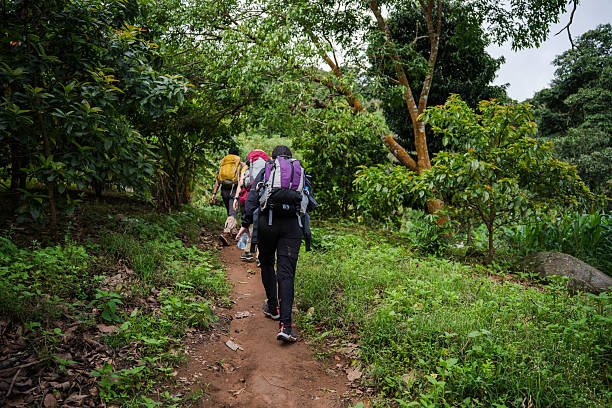
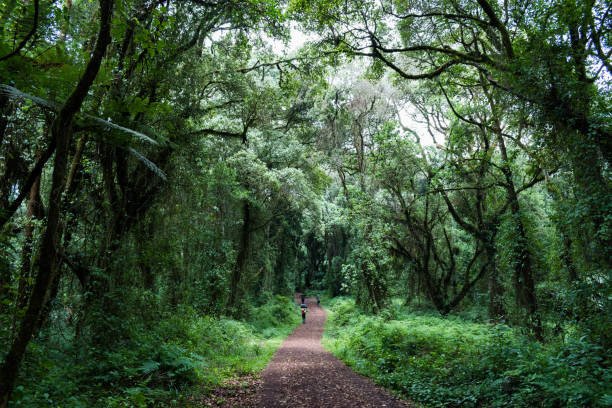
Kilimanjaro Camping Route vs Hut Route
The Kilimanjaro Camping Route vs Hut Route comparison is one of the most common questions travellers ask when deciding how they want to climb Mount Kilimanjaro.
The main difference is simple: most Kilimanjaro routes use tents for overnight accommodation, while the Marangu Route is known for its permanent mountain huts.
However, accommodation is only one factor. Climbers should also compare route length, scenery, acclimatization schedule, privacy, sleeping arrangements, trekking style and the overall mountain experience.
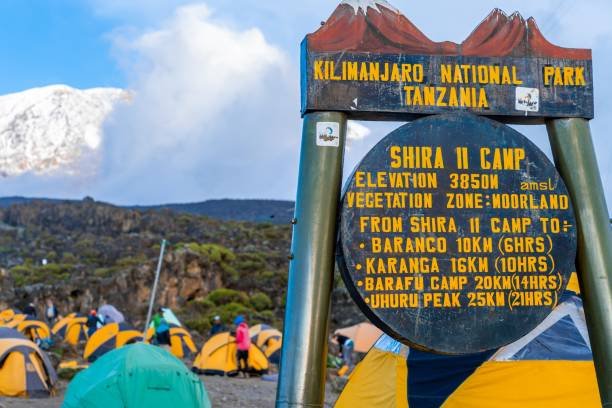
Camping routes include popular options such as Machame, Lemosho, Northern Circuit and Umbwe. These itineraries use tent based sleeping arrangements at mountain camps.
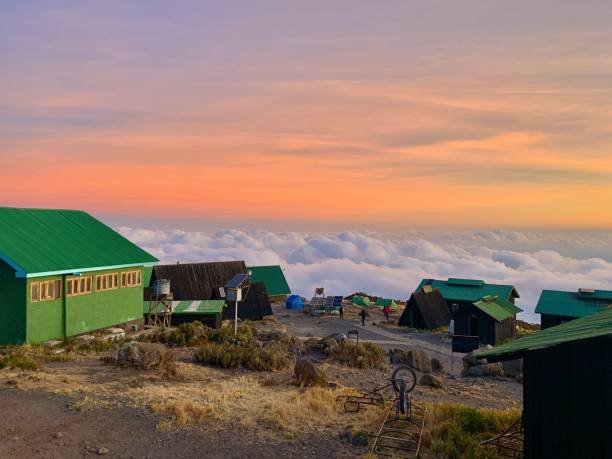
The main hut based Kilimanjaro option is Marangu, where climbers normally sleep at established huts including Mandara, Horombo and Kibo.
Neither option is automatically easier simply because of the accommodation. Both camping and hut routes reach high altitude and require serious physical preparation, suitable equipment and responsible guide support.
Camping Route vs Hut Route at a Glance
- Main hut route: Marangu Route.
- Popular camping routes: Machame, Lemosho, Northern Circuit and Umbwe.
- Camping accommodation: Sleeping tents at mountain camps.
- Hut accommodation: Shared permanent mountain structures.
- Sleeping bag: Needed for both styles.
- Privacy: Usually greater with private tent arrangements.
- Facilities: Basic on both types of route.
- Main challenge: High altitude, not accommodation type.
What Is a Kilimanjaro Camping Route?
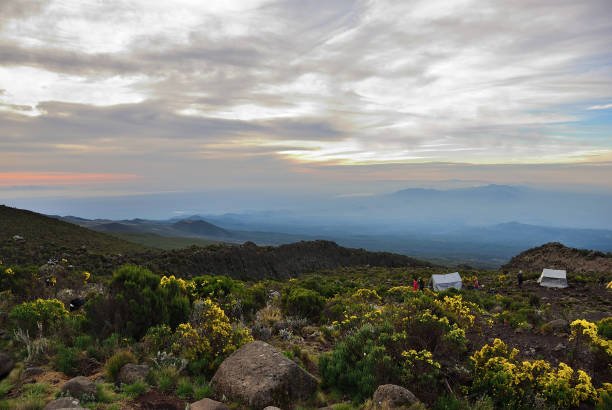
A Kilimanjaro camping route is an itinerary where climbers sleep in tents at designated mountain camps.
The mountain crew transports the group camping equipment between camps while climbers carry their personal daypacks.
When climbers arrive at the next campsite, the main camp arrangements are prepared according to the expedition setup.
Camping routes provide access to several of Kilimanjaro's most popular itineraries and can offer a strong feeling of being fully immersed in the mountain environment.
Popular Kilimanjaro Camping Routes
- Machame Route
- Lemosho Route
- Northern Circuit Route
- Umbwe Route
- Other tent based Kilimanjaro itineraries according to the confirmed route plan
What Is the Kilimanjaro Hut Route?
The Marangu Route is Kilimanjaro's best known hut based route.
Instead of sleeping in tents at the main overnight points, climbers normally use permanent mountain huts.
The main huts commonly associated with the route are Mandara Hut, Horombo Hut and Kibo Hut.
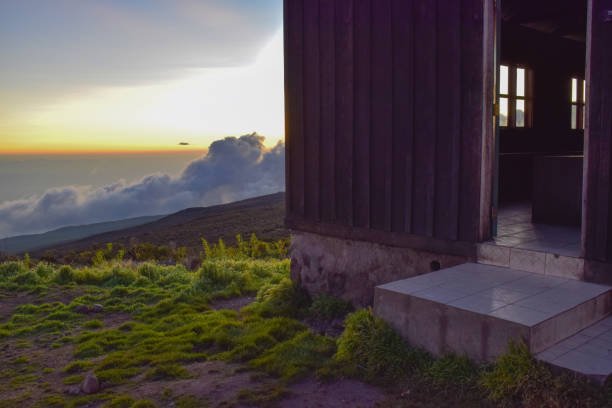
These are basic trekking facilities rather than hotels or luxury lodges.
Climbers should expect communal accommodation, basic facilities and cold mountain conditions, particularly at the higher huts.
Kilimanjaro Camping Route vs Hut Route Accommodation
Camping Route
Climbers sleep in tents that are transported between designated mountain camps.
Tent sharing arrangements depend on the package, while solo travellers can often request a private sleeping tent according to availability.
Hut Route
Climbers sleep in established mountain huts with shared sleeping areas.
Travellers should not expect private hotel style bedrooms inside the standard Marangu mountain huts.
Which Offers More Privacy?
Camping can provide more privacy when a private sleeping tent is arranged.
A couple may share one tent, while a solo traveller can request an individual tent depending on the package and available equipment.
Marangu hut accommodation is more communal.
Even when the Kilimanjaro climb itself is private, the huts remain established mountain accommodation and can be shared with other climbers using the route.
Which Is More Comfortable?
Comfort depends strongly on personal preference.
Some travellers prefer having a permanent roof, solid walls and a communal hut environment.
Others prefer the privacy and personal sleeping space provided by a tent.
Neither should be confused with hotel accommodation.
Both are basic mountain sleeping arrangements designed for a high altitude expedition.
Choose Hut Accommodation If You Prefer
- A permanent roofed sleeping structure
- A communal mountain environment
- Not sleeping in a tent every night
- The Marangu Route itinerary
Choose Camping If You Prefer
- More route choices
- Tent based mountain accommodation
- Potential private sleeping tent arrangements
- Machame, Lemosho or Northern Circuit style itineraries
Do You Need a Sleeping Bag on Both Routes?
Yes. A suitable sleeping bag remains important whether you choose tents or huts.
A permanent hut provides shelter but does not provide the same heated environment or bedding expected from a hotel.
Camping routes also require sleeping bags suitable for cold mountain conditions.
Travellers without suitable equipment can ask about rental sleeping bags before their trek.
Camping Route Sleeping Arrangements
On camping routes, sleeping tents are part of the expedition setup.
The standard arrangement may involve two climbers sharing, although the exact tent configuration depends on the package.
Private tents can often be arranged for solo travellers or anyone wanting more personal sleeping space.
A mountain mattress may also be provided according to the operator's equipment arrangement.
Hut Route Sleeping Arrangements
Marangu accommodation is generally shared rather than private.
Climbers sleep in communal mountain structures alongside other trekkers.
Travellers who are light sleepers may find earplugs helpful.
A sleeping bag is still required, and warm sleeping clothing becomes increasingly important as elevation rises.
Are Huts Warmer Than Tents?
Permanent walls and a roof provide greater protection from direct wind and precipitation than sleeping inside an exposed tent.
However, the mountain huts are still located at significant altitude and can become very cold.
Climbers should therefore bring proper thermal layers, a warm sleeping bag and suitable summit clothing regardless of accommodation style.
Which Route Has Better Bathrooms?
Both styles involve basic mountain sanitation rather than normal hotel bathrooms.
Established hut areas have mountain toilet facilities, while camping routes use facilities available at designated camps.
The condition and style of facilities can vary.
Travellers should carry personal toilet paper or tissues as backup, hand sanitiser and basic hygiene supplies.
Private Portable Toilet on Camping Routes
A private portable toilet can be added to many Kilimanjaro camping itineraries when arranged before departure.
The toilet is generally placed inside a dedicated privacy tent at camp.
This is one reason some travellers prefer camping routes despite initially assuming huts would automatically provide more privacy.
Private toilet availability, logistics and additional charges should be confirmed before the trek.
Are There Showers on Kilimanjaro?
Travellers should not expect normal hotel shower facilities on either camping or hut based mountain itineraries.
Mountain hygiene is basic.
Personal wipes, hand sanitiser, clean underwear and dry sleeping layers can help climbers remain comfortable throughout the trek.
Camping Route vs Hut Route Scenery
Accommodation style should not be the only factor used when choosing a Kilimanjaro route.
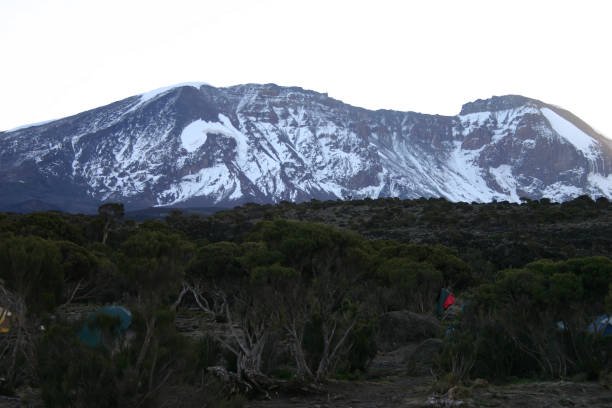
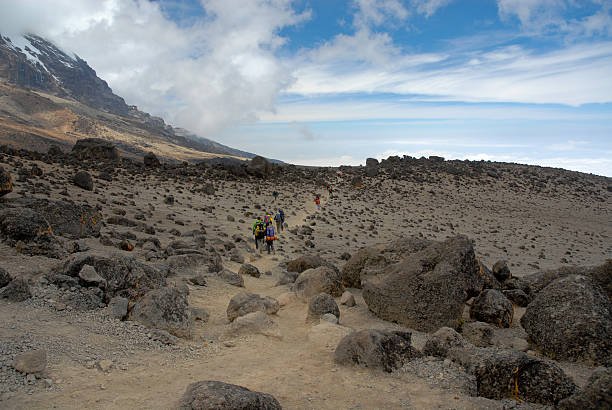
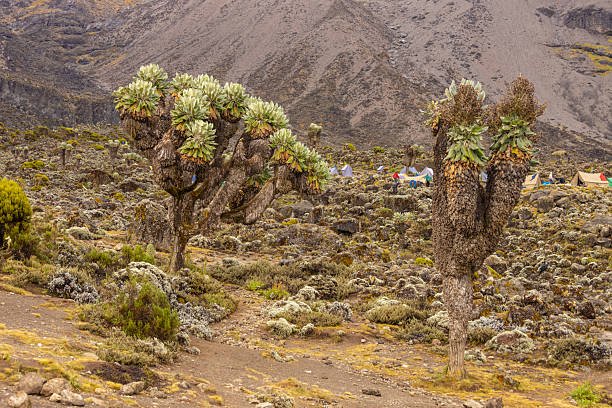
Different camping routes approach Kilimanjaro from different sides and offer different trekking landscapes.
Lemosho approaches from the western side and crosses the Shira Plateau before joining the southern circuit.
Machame approaches from the south and also passes through the Shira area, Lava Tower, Barranco and Karanga.
Northern Circuit itineraries spend additional time around the northern side of Kilimanjaro.
Marangu follows its own route through the southeastern side of the mountain using the established hut system.
Route Choice Matters More Than the Bed
Choosing Kilimanjaro should involve more than asking whether you want a tent or a hut.
The length of the itinerary, altitude progression, scenery, trail experience and your available travel days can be more important than accommodation alone.
A traveller may initially prefer a hut but ultimately choose Lemosho because of its itinerary structure and scenery.
Another traveller may prioritise avoiding tent sleeping and therefore choose Marangu.
Camping vs Hut Route for Acclimatization
Sleeping in a hut does not improve acclimatization simply because the accommodation is indoors.
Acclimatization is influenced by altitude progression, itinerary duration and individual physiological response.
A camping route with more mountain days may provide a more gradual itinerary than a shorter hut based route.
Similarly, a longer Marangu itinerary provides more mountain time than a shorter Marangu schedule.
Accommodation Does Not Replace Acclimatization
- Walk slowly.
- Maintain regular hydration.
- Eat sufficiently.
- Use an appropriate itinerary.
- Report symptoms honestly.
- Follow guide instructions.
- Descend when necessary for safety.
Camping Route vs Hut Route for Beginners
Both accommodation styles can be used by first time Kilimanjaro climbers.
Beginners who dislike camping may find Marangu attractive because of its huts.
However, they should still consider the length of their chosen itinerary and the altitude profile.
Beginners who are comfortable sleeping in tents gain access to a wider selection of routes and itinerary lengths.
Technical climbing experience is not normally required on the standard popular routes, but physical preparation remains important.
Camping Route vs Hut Route for Solo Travellers
Solo travellers can join group departures on either camping or hut based routes when suitable spaces are available.
On a camping route, a solo traveller can request a private tent where available.
On Marangu, sleeping areas remain communal even if the traveller books a private mountain expedition.
This difference can be important for someone who values personal sleeping space.
Camping Route vs Hut Route for Couples
Couples on camping routes can normally share a mountain tent according to the package.
On Marangu, couples should not expect a private double bedroom inside the mountain huts.
Before and after Kilimanjaro, double hotel accommodation can be arranged regardless of the mountain route selected.
Camping Route vs Hut Route for Private Climbs
Both camping and Marangu itineraries can be organised as private expeditions.
On camping routes, private climbing can provide greater control over sleeping tent arrangements, departure dates and group composition.
On Marangu, the expedition itself can be private while the established hut accommodation remains communal.
Camping Route vs Hut Route for Group Joining
Group joining can be arranged on several Kilimanjaro routes according to scheduled departures.
Travellers share the main expedition with other climbers but still receive professional guide and mountain crew support.
The accommodation then follows the selected route: tents on camping routes or huts on Marangu.
Which Route Requires More Camping Equipment?
Camping routes require more group accommodation equipment because sleeping tents and related camp systems must be transported between camps.
The expedition crew handles much of this shared equipment.
Marangu's permanent huts reduce the need to transport sleeping tents for standard hut accommodation.
Climbers on both route types still need suitable personal trekking clothing and sleeping equipment.
What Climbers Carry Themselves
On both camping and hut routes, climbers normally carry a personal daypack.
Permitted main mountain luggage is transported according to the porter arrangement.
Typical Daypack Essentials
- Water
- Waterproof jacket
- Warm layer
- Sunglasses
- Sunscreen
- Personal snacks
- Personal medication
- Warm hat or gloves when required
- Phone or camera if desired
Camping Route Packing
Camping climbers need appropriate cold weather trekking equipment plus a suitable sleeping bag.
A waterproof packing system is important because equipment is transported between exposed mountain camps.
Dry bags or waterproof liners should be used to protect warm summit clothing and sleeping equipment.
Hut Route Packing
Marangu climbers require many of the same personal clothing items as camping route climbers.
Sleeping in huts does not remove the need for waterproof clothing, insulated summit layers, warm gloves or a suitable sleeping bag.
The main difference is that personal sleeping tents are not normally required on the standard Marangu itinerary.
Essential Equipment for Both Route Types
- Broken in trekking boots
- Comfortable daypack
- Thermal base layers
- Insulating layers
- Warm summit jacket
- Waterproof jacket
- Waterproof trousers
- Warm gloves or mittens
- Warm hat
- Sunglasses
- Sun protection
- Headlamp
- Suitable sleeping bag
- Water containers
- Trekking poles
- Personal medication
- Basic toiletries
Can Equipment Be Rented?
Selected Kilimanjaro equipment can often be rented before the climb according to available sizes and stock.
- Sleeping bags
- Trekking poles
- Gaiters
- Warm jackets
- Waterproof clothing
- Other selected trekking equipment according to availability
Meals on Camping and Hut Routes
Mountain meals can be included on both types of itinerary.
The mountain cook prepares food according to the expedition arrangements.
Camping versus hut accommodation does not remove the need for proper nutrition during the climb.
Travellers should communicate vegetarian, vegan, allergy or other dietary requirements before departure.
Daily Health Monitoring
Professional guide health monitoring is important regardless of whether a climber sleeps in a tent or hut.
Guides can discuss headaches, nausea, appetite, hydration, dizziness, sleep quality and overall walking condition.
Pulse oximeter readings may also be used where available as one part of the wider health assessment.
Climbers should communicate symptoms honestly.
Does Hut Accommodation Improve Summit Success?
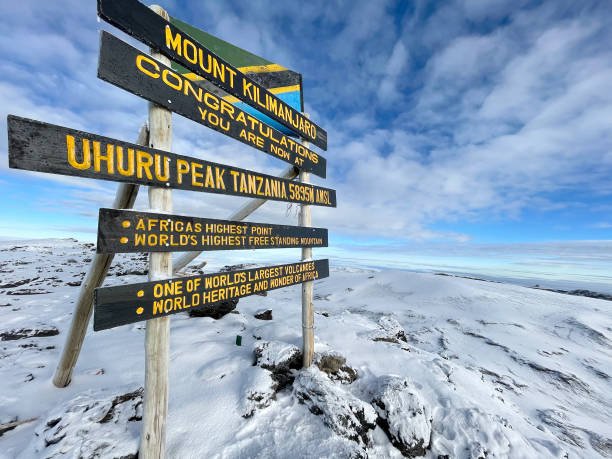
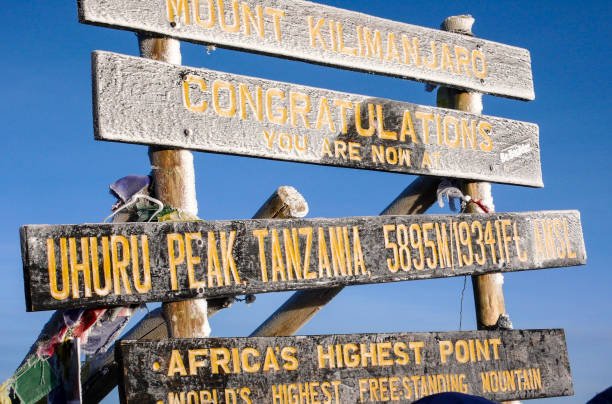
Hut accommodation by itself does not determine whether a climber reaches Uhuru Peak.
Summit success is affected by itinerary duration, altitude response, health, pacing, weather and other mountain conditions.
A tent based route with a longer itinerary may provide more acclimatization time than a shorter hut itinerary.
The accommodation format should therefore be considered separately from the altitude schedule.
Which Has a Better Summit Experience?
The summit objective is the same: reaching the summit area of Mount Kilimanjaro when the climber's health and mountain conditions allow.
The route used to approach the summit differs, but sleeping in a hut or tent does not make the final high altitude section automatically easy.
Summit night remains demanding on both route types.
Which Route Is Better in Rain?
A hut gives climbers a permanent structure once they reach the overnight stop, which can be appealing during wet weather.
However, climbers still trek outdoors during the day and therefore require proper waterproof clothing.
Modern trekking tents can also provide effective mountain shelter when properly maintained and correctly pitched.
Waterproof packing remains important on every route.
Which Route Feels More Adventurous?
This is subjective.
Some travellers associate sleeping in tents under the mountain environment with a stronger expedition feeling.
Others enjoy the shared trekking atmosphere of the Marangu huts.
The route itself, landscapes, duration and people in the expedition can affect the experience as much as the sleeping arrangement.
Which Route Has More Privacy?
Camping routes generally provide more potential for private sleeping arrangements because individual tents can be requested.
Hut accommodation is designed around communal sleeping.
Travellers who place a high value on personal sleeping space should consider this difference carefully.
Which Route Is Better for Light Sleepers?
A private tent can provide more separation from other climbers, although normal campsite noise remains possible.
Huts can have more communal noise because several climbers may share the same sleeping environment.
Earplugs can be useful regardless of accommodation choice.
Which Route Is Better for Couples?
Couples comfortable with camping may appreciate sharing their own mountain tent.
Couples who strongly prefer a permanent roof may prefer Marangu, but they should understand that hut sleeping is communal rather than a private double room.
Which Is Better for Families?
Families should choose the route based on participant age, fitness, trekking experience, itinerary length and altitude considerations rather than accommodation alone.
Private camping arrangements can provide flexibility for family groups, while hut accommodation may appeal to participants who strongly dislike tents.
The exact itinerary should be discussed carefully before booking.
Which Is Better for Solo Female Travellers?
Solo female travellers can use either camping or hut based Kilimanjaro routes.
Those choosing camping can request a private sleeping tent according to availability.
Those choosing Marangu should expect communal mountain sleeping arrangements.
Professional guide support and clear pre climb arrangements are important on either option.
Camping Route vs Hut Route Price
Price depends on much more than whether the route uses tents or huts.
The number of mountain days, number of climbers, applicable fees, crew requirements, transport, hotels and optional services all affect the final quotation.
Travellers should therefore compare complete itineraries rather than assuming one accommodation style is always cheaper.
Hotel Accommodation Before and After Kilimanjaro
Regardless of the mountain route, hotel nights can be arranged before and after the trek.
A pre climb hotel provides time for rest, briefing and equipment checks.
A post climb hotel allows climbers to shower and recover before safari, Zanzibar or airport departure.
Airport Transfers
Airport pickup and departure transfers can be included with either camping or hut route packages according to the booking arrangement.
Travellers should share accurate flight details so transfers can be coordinated correctly.
Safari After Either Kilimanjaro Route
A Tanzania safari can be added after completing either a camping or hut based Kilimanjaro climb.
Popular northern Tanzania destinations include Tarangire, Lake Manyara, Ngorongoro and Serengeti.
A post climb hotel night can provide useful recovery time before beginning the safari.
Zanzibar After Kilimanjaro
Zanzibar can also be added after either accommodation style.
Flights, transfers and hotel arrangements can be coordinated around the final Kilimanjaro schedule.
How to Choose Between Camping and Hut Accommodation
Questions to Ask Yourself
- Am I comfortable sleeping in a tent?
- Do I want a private sleeping space?
- Do I prefer permanent hut accommodation?
- Which Kilimanjaro route interests me most?
- How many mountain days do I want?
- What itinerary provides the altitude progression I prefer?
- Do I want a group joining or private climb?
- Would I like a private portable toilet?
- How important is sleeping privacy to me?
- Am I choosing based on accommodation alone instead of the complete itinerary?
Frequently Asked Questions About Kilimanjaro Camping Route vs Hut Route
Which Kilimanjaro route has huts?
Marangu is the main Kilimanjaro route known for permanent mountain hut accommodation.
Which Kilimanjaro routes use tents?
Popular routes including Machame, Lemosho, Northern Circuit and Umbwe use camping accommodation during their standard itineraries.
Is Marangu the only hut route?
Marangu is the primary Kilimanjaro route associated with permanent hut based overnight accommodation.
Is a hut more comfortable than a tent?
That depends on personal preference. Huts provide permanent shelter, while tents can provide greater sleeping privacy.
Are Marangu huts like hotels?
No. They are basic mountain accommodation with communal sleeping rather than hotel style rooms and services.
Can I get a private room in a Marangu hut?
Travellers should not expect standard private hotel style bedrooms in the mountain huts.
Can I have a private tent on a camping route?
Yes. Private sleeping tents can often be requested according to equipment availability and package arrangements.
Do I need a sleeping bag in a hut?
Yes. A warm sleeping bag remains necessary because the mountain huts can become very cold.
Do I need a sleeping bag when camping?
Yes. A suitable cold weather sleeping bag is an important part of a Kilimanjaro camping setup.
Which accommodation gives more privacy?
Camping can provide greater sleeping privacy when a private tent is arranged, while hut accommodation is generally communal.
Which option is warmer?
Huts provide solid shelter from direct wind, but both accommodation styles require proper cold weather clothing and sleeping equipment.
Do huts have bathrooms?
Basic mountain toilet facilities are available at hut locations, but climbers should not expect normal hotel bathrooms.
Can camping routes have a private toilet?
Yes. A private portable toilet can be added to many camping itineraries when arranged in advance.
Are there showers on either route?
Travellers should not expect normal hot hotel showers during standard Kilimanjaro mountain itineraries.
Is the hut route easier?
Hut accommodation does not automatically make the climb easier. Altitude, itinerary length, weather and fitness remain major factors.
Do huts improve acclimatization?
No. Acclimatization depends more on altitude progression, itinerary duration and individual response than sleeping accommodation.
Which is better for beginners?
Both can work for beginners. The better fit depends on itinerary length, preparation, route preference and whether the traveller is comfortable camping.
Which is better for solo travellers?
Both can suit solo travellers. Camping offers the possibility of requesting a private tent, while Marangu uses communal hut accommodation.
Which is better for couples?
Couples wanting their own sleeping space may prefer sharing a tent, while couples who prefer permanent shelter may consider Marangu's hut system.
Does a private Marangu climb provide a private hut?
No. A private expedition refers to your guide and trip arrangement, while the established mountain huts remain communal facilities.
Can both route types be group joining?
Yes. Scheduled group departures can be offered on different Kilimanjaro routes according to availability.
Do porters carry my main luggage on both routes?
Permitted main mountain luggage can be transported according to the porter arrangement while climbers carry their personal daypacks.
Are meals included on both route types?
Mountain meals can be included on both camping and hut based itineraries according to the confirmed package.
Can I rent equipment on either route?
Yes. Selected items such as sleeping bags and trekking poles can often be rented according to available stock.
Do guides monitor health on both routes?
Professional guides can monitor climber wellbeing on both camping and hut based Kilimanjaro itineraries.
Can I add hotel nights before and after either route?
Yes. Hotel accommodation can be included before and after Kilimanjaro regardless of the mountain accommodation style.
Can I add a safari after either route?
Yes. Tarangire, Lake Manyara, Ngorongoro and Serengeti can be combined with either type of Kilimanjaro itinerary.
Can Zanzibar be added after either route?
Yes. Zanzibar can be added after the climb with suitable flight, transfer and accommodation arrangements.
How do I choose between a Kilimanjaro camping route and hut route?
Compare your preferred route, number of mountain days, altitude schedule, sleeping privacy, comfort expectations and willingness to camp, then choose the itinerary that best matches your trekking preferences.
Choose Your Kilimanjaro Camping or Hut Route
Compare Machame, Lemosho and other camping itineraries with Marangu hut accommodation based on route duration, privacy, scenery, acclimatization and your preferred mountain experience.
Plan Your Kilimanjaro Climb

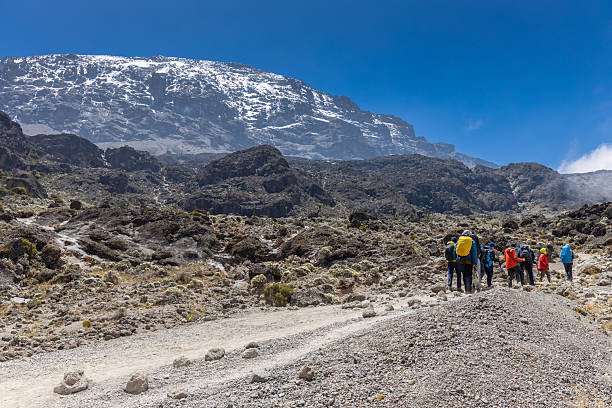 Kilimanjaro Climb