Kilimanjaro Safety Tips
Good Kilimanjaro Safety Tips focus on preparation, altitude awareness, professional guiding and responsible decisions throughout the trek.
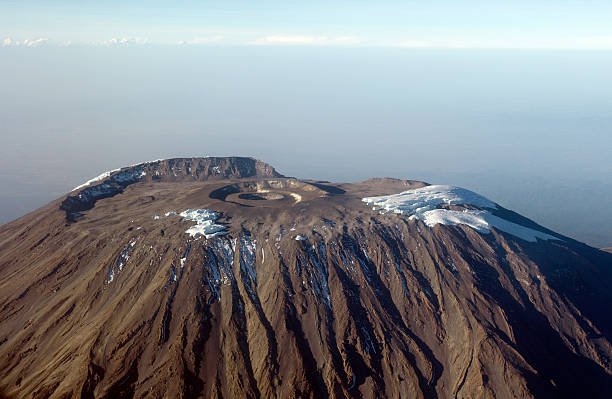
Mount Kilimanjaro reaches 5,895 metres at Uhuru Peak, making altitude one of the most important safety considerations.
The standard trekking routes do not normally require advanced technical climbing skills, but the mountain should never be treated as an ordinary walk.
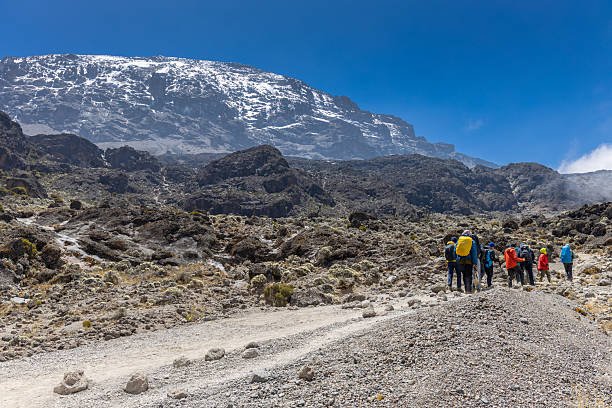
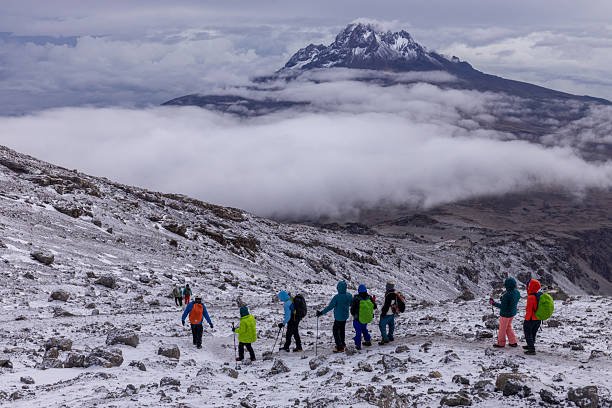
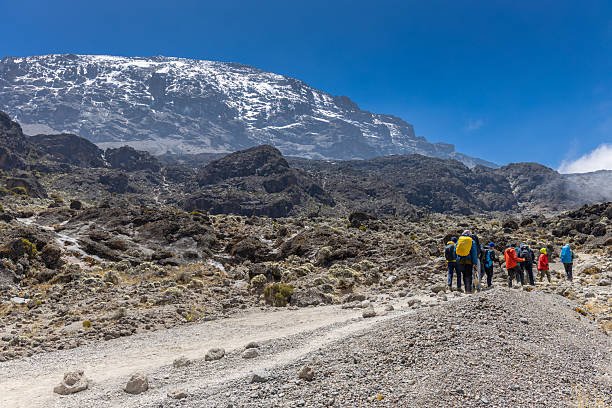
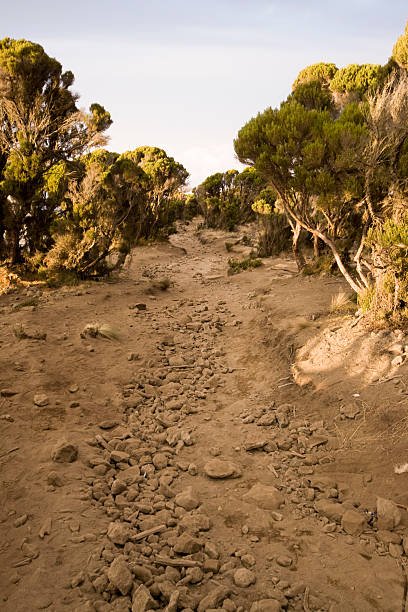
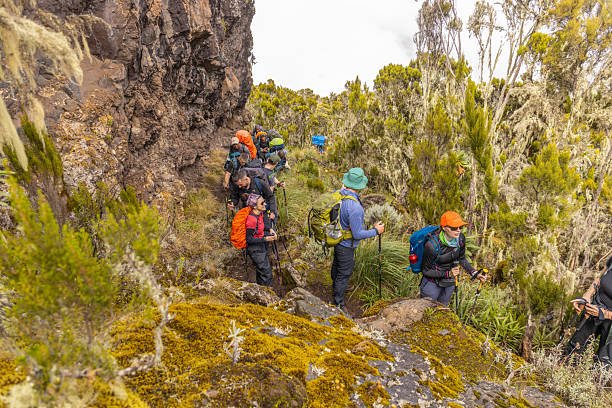
Climbers move through rainforest, heath and moorland, alpine desert and a very cold high altitude summit environment.
Weather can change quickly.
Altitude symptoms can affect fit and experienced trekkers as well as beginners.
Long trekking days and summit night also create fatigue.
Safe climbing therefore depends on several factors working together.
These include a suitable route, gradual acclimatization, a slow pace, correct equipment, hydration, nutrition, health monitoring and good communication with the guide team.
Summit success should never be prioritized above health and safe descent.
Kilimanjaro Safety Tips at a Glance
- Choose a suitable itinerary: Avoid unnecessary altitude compression
- Walk slowly: Conserve energy and support acclimatization
- Report symptoms: Never hide headache, nausea, dizziness or unusual fatigue
- Use suitable gear: Prepare for rain, wind and very cold summit conditions
- Stay hydrated: Drink regularly according to conditions and guide advice
- Eat regularly: Support energy during consecutive trekking days
- Follow guides: Respect route, pace and safety decisions
- Be willing to descend: Safety comes before reaching Uhuru Peak
Choose the Right Kilimanjaro Route
Safety begins before entering Kilimanjaro National Park.
The route and itinerary determine how quickly climbers gain altitude and how many days the body has to adjust.
A very short itinerary may appear convenient, but it can create a more compressed ascent.
Longer itineraries generally provide more time for gradual acclimatization.
No route can guarantee summit success, but route duration should be considered as part of overall safety planning.
Allow Enough Time for Acclimatization
Acclimatization is the body's adjustment to reduced oxygen availability at altitude.
This process takes time.
Climbers should compare the altitude profile of different itineraries rather than choosing only according to price or the fewest number of days.
Extra acclimatization days or climb high, sleep lower sections may provide useful additional altitude exposure before summit night.
Do Not Rush the Mountain
Kilimanjaro is a high altitude trek rather than a race. A slower, more gradual approach can help conserve energy and provide additional time for the body to adjust.
Walk Slowly from the First Day
Many climbers feel strong during the first days because the altitude is still relatively moderate.
This can create a temptation to walk quickly.
A controlled pace helps conserve energy for later days.
It also reduces unnecessary physical stress while the body is beginning to acclimatize.
Follow the guide's recommended pace even if you feel capable of walking faster.
Understand the Meaning of “Pole Pole”
“Pole pole” is a Swahili phrase commonly used on Kilimanjaro to encourage slow, steady movement.
This approach becomes especially important as elevation increases.
Walking slowly does not mean a climber is weak.
It is part of responsible high altitude trekking.
Know the Basic Signs of Altitude Problems
Altitude symptoms can affect anyone.
Possible symptoms may include headache, nausea, reduced appetite, dizziness, unusual fatigue or difficulty sleeping.
These symptoms should be reported to the guide.
Do not hide how you feel because you are worried about being told to rest or descend.
Accurate information helps the mountain team make appropriate decisions.
Symptoms to Report
- Headache
- Nausea
- Dizziness
- Reduced appetite
- Unusual fatigue
- Difficulty sleeping
- Any worsening change in condition
More Serious Symptoms Require Immediate Attention
Some symptoms are more concerning than a mild headache or temporary fatigue.
Severe weakness, confusion, significant coordination problems or serious breathing difficulty can indicate a more urgent high altitude problem.
These situations require immediate guide assessment and appropriate action.
Continuing higher may be unsafe.
Never Hide Serious Symptoms
Reaching the summit is never more important than health. If the mountain guide recommends stopping the ascent or descending, that decision should be followed.
Daily Health Checks
Health monitoring may be carried out according to the confirmed trekking program.
Guides may ask about headache, appetite, hydration, sleep, nausea and general wellbeing.
These conversations become increasingly important at higher elevations.
Climbers should answer honestly.
Using a Pulse Oximeter
A pulse oximeter may be used as one part of health monitoring where included.
It can provide information that the guide considers together with symptoms and overall condition.
A single reading should not be treated as the only measure of whether someone is safe to continue.
Guide assessment and actual symptoms remain important.
Emergency Oxygen
Emergency oxygen may be carried according to the confirmed mountain safety arrangements.
It is a safety resource rather than a method for allowing an unwell climber to continue ascending.
When descent is required, oxygen should not be treated as a substitute for getting lower.
Know When Descent Is Necessary
Descent is one of the most important safety responses to serious altitude problems.
A climber may feel disappointed if told to turn around.
However, safe descent is more important than continuing toward the summit.
Responsible guides will prioritize health over summit ambitions.
Choose an Experienced Mountain Guide
The guide team plays a central role in Kilimanjaro safety.
Guides manage walking pace, route timing, health monitoring and decisions related to changing conditions.
They should also provide briefings and explain what to expect before summit night.
Climbers should communicate openly rather than trying to manage serious problems independently.
Listen to Your Guide
A climber may feel personally motivated to continue despite fatigue or symptoms.
The mountain guide has to consider the larger safety picture.
Instructions regarding pace, clothing, departure timing, route conditions or descent should be taken seriously.
Understand Your Mountain Crew
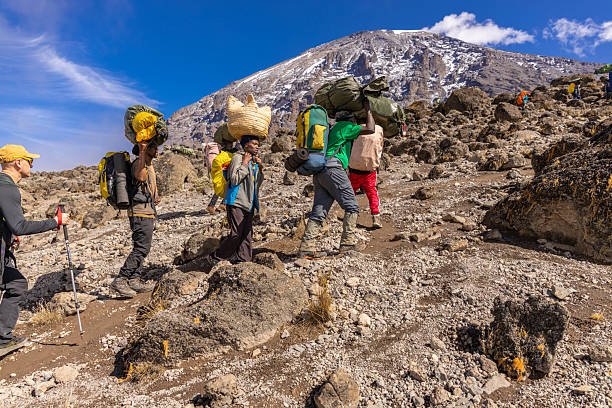
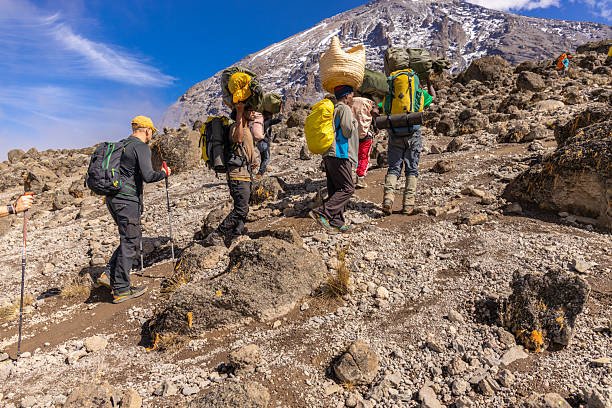
The climbing team may include lead guides, assistant guides, cooks and porters depending on the number of climbers and current requirements.
Each role contributes to expedition logistics.
Climbers should know who their guide is and how to communicate if they feel unwell.
Wear Suitable Trekking Boots
Footwear problems can turn a manageable trek into an unnecessarily uncomfortable one.
Use trekking boots that have been tested on long walks before arriving in Tanzania.
Check that your socks and insoles work well with the boots.
Do not wait until the first mountain day to discover pressure points or rubbing.
Use a Layering System
Kilimanjaro temperatures can change dramatically during one day.
Lower sections may feel warm and humid while high camps can be very cold.
Layering allows clothing to be adjusted as conditions change.
Climbers should have suitable base layers, insulation and weather protection.
Carry Waterproof Clothing in Your Daypack
Rain can occur in the forest zone and weather may change quickly.
Waterproof clothing should remain accessible rather than packed inside the porter duffel.
A waterproof jacket and trousers can help protect against rain and wind.
Protect Yourself from Cold
Summit night can be extremely cold.
Wind can make conditions feel even colder.
Warm gloves, insulated clothing, appropriate socks and head protection are important.
Climbers should test their cold weather equipment before the expedition where possible.
Protect Yourself from the Sun
Sun exposure can be strong at altitude.
Sunglasses, suitable sun protection and a hat are useful parts of the trekking kit.
Cloudy conditions do not always mean sun exposure is insignificant.
Use Trekking Poles Correctly
Trekking poles may help with balance and rhythm on some sections.
They can also be useful during long descents.
If you plan to use poles, practice before the climb.
Learning the correct length and technique at home is easier than experimenting while tired on the mountain.
Carry Only What You Need during the Day
Climbers normally carry a smaller daypack while porters transport the main personal mountain luggage within the applicable allowance.
A daypack may include water, rain gear, warm layers, snacks, medication, sun protection and personal essentials.
Avoid unnecessary weight.
Training with your daypack before the climb helps you understand what is comfortable.
Keep Important Items Accessible
Rain gear, a warm layer, water, snacks and personal medication should be easy to reach.
Do not pack items you may urgently need deep inside your main duffel.
Organizing your daypack carefully can reduce delays when weather changes.
Hydrate Regularly
Regular hydration supports normal physical performance during trekking.
Climbers should drink consistently according to conditions, thirst and guide advice.
Do not wait until becoming extremely thirsty.
At the same time, excessive water consumption should not be treated as a cure for altitude illness.
Eat Enough during the Climb
Multiple trekking days require energy.
Appetite may decrease at higher altitude.
Continue eating where possible and communicate significant appetite loss to the guide.
Personal snacks can provide additional energy during long days according to individual preference.
Declare Food Allergies before the Trek
Dietary requirements and allergies should be communicated before departure.
This gives the mountain team time to discuss practical meal arrangements.
Do not wait until the trek has already started to mention an important food restriction where it could have been declared earlier.
Prepare for Summit Night
Summit night is usually the most demanding part of Kilimanjaro.
It commonly begins late at night or around midnight according to route and guide planning.
Climbers move slowly in darkness, cold temperatures and very high altitude.
Prepare all important equipment before resting.
Summit Night Checklist
- Warm base and insulation layers
- Wind and weather protection
- Warm gloves
- Warm head protection
- Headlamp and spare batteries
- Water
- Accessible snacks
- Personal medication
- Trekking poles if used
Check Your Headlamp before Summit Night
Summit attempts normally begin in darkness.
Check the headlamp before leaving camp.
Carry suitable batteries according to your equipment requirements.
Practice using the headlamp while wearing gloves before the climb if possible.
Protect Your Water from Cold
Very cold summit conditions can affect water systems.
Discuss suitable water arrangements with your guide during the summit briefing.
Keep containers accessible while following the guide's recommendations for cold weather management.
Do Not Race on Summit Night
Walking quickly at very high altitude can waste energy.
Follow the controlled pace set by the guide.
Summit night is about endurance and safe progress rather than speed.
Remember That You Must Descend
Reaching the highest safe point is only part of summit day.
Climbers must still descend afterward.
This can be demanding on already tired legs.
Save enough energy for the descent rather than using everything during the upward section.
Be Careful on Downhill Terrain
Descending can place significant repetitive pressure on knees and quadriceps.
Take controlled steps.
Use trekking poles if appropriate.
Avoid unnecessary rushing on loose or uneven terrain.
Weather Can Change Quickly
Conditions can vary between sun, rain, cloud, wind and cold.
Weather at one camp does not necessarily predict conditions at the next.
Keep important protective clothing accessible.
Follow guide instructions when weather affects route timing or safety.
Rainforest Safety
The lower mountain forest can be wet and muddy.
Suitable footwear helps with traction.
Walk carefully on slippery sections and roots.
Waterproof clothing should be available when rain begins.
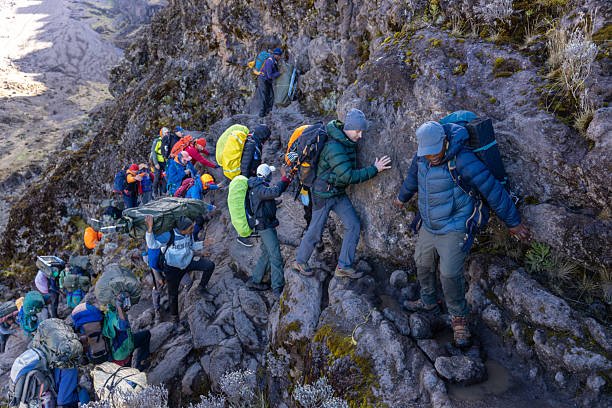
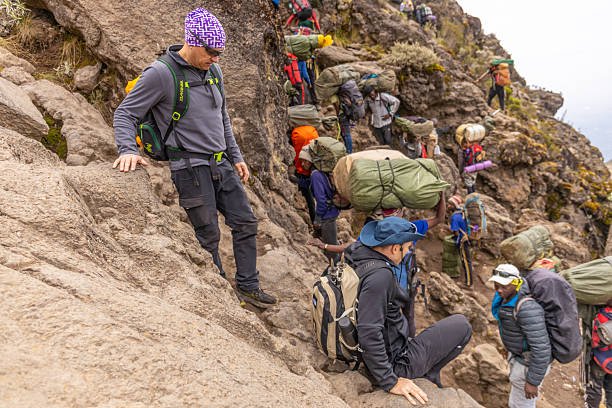
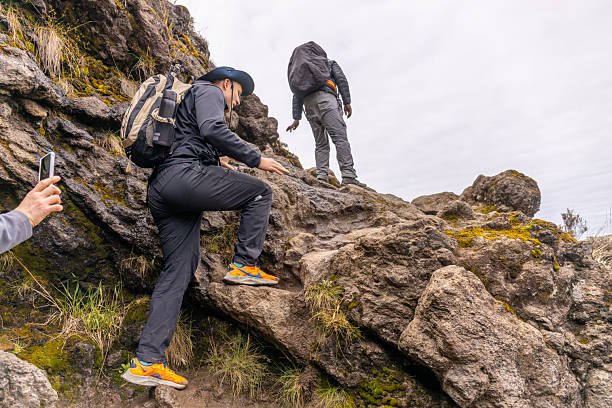
Barranco Wall Safety
Routes such as Machame and Lemosho may include Barranco Wall.
This section can look dramatic but is generally treated as a nontechnical scrambling section on standard itineraries.
Follow the guide's route and instructions carefully.
Take your time and maintain spacing where appropriate.
Lava Tower Safety
Lava Tower reaches approximately 4,600 metres and may be an important acclimatization point on routes such as Machame and Lemosho.
Some climbers notice altitude symptoms during this section.
Continue slowly and communicate with the guide about how you feel.
Marangu Route Safety
Marangu uses mountain huts for the main overnight stops.
The presence of huts does not remove altitude risk.
The five day itinerary is more compressed than the six day version with an additional Horombo acclimatization day.
Climbers should compare the exact schedule carefully.
Rongai Route Safety
Rongai approaches the mountain from the northern side.
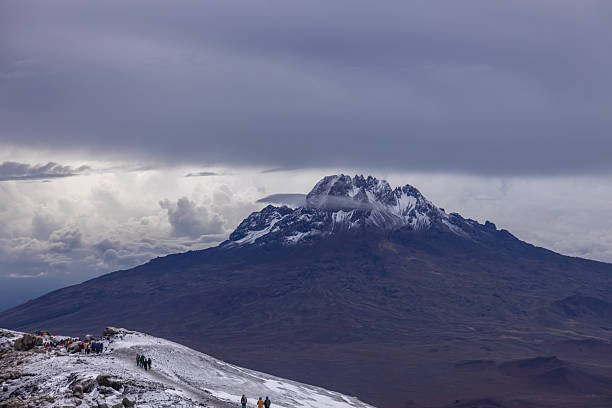
Longer schedules may include additional acclimatization time around Mawenzi.
The route eventually approaches the summit zone before descending through the Marangu side.
Standard altitude safety principles remain important throughout.
Northern Circuit Safety
The Northern Circuit is a longer Kilimanjaro itinerary.
More days can provide additional time at altitude before the summit attempt.
Climbers still need good endurance, suitable equipment and honest health monitoring.
Kilimanjaro Camping Safety
Camping routes require suitable sleeping equipment for cold nights.
Keep the tent area organized to reduce the risk of losing small equipment.
At night, use a headlamp when moving around camp.
Follow crew instructions regarding camp areas and facilities.
Marangu Hut Safety
Hut accommodation protects climbers from sleeping directly inside tents, but cold temperatures and altitude still remain.
Keep personal belongings organized and use a suitable sleeping bag.
Be careful when moving around outside huts in darkness or poor weather.
Hand Hygiene and Personal Cleanliness
Simple hygiene habits can help reduce avoidable illness during multi day trekking.
Clean hands before eating where practical.
Use personal hygiene supplies according to the mountain arrangement.
If you develop significant stomach problems or another illness, tell your guide.
Do Not Share Prescription Medication
Medication prescribed for one traveller may not be appropriate for another.
Carry your own prescribed medication and discuss relevant health issues with an appropriate professional before travel.
Any prescription altitude medication should be used according to professional medical advice.
Bring Personal Medication
Carry enough of your regular medication for the planned trip and reasonable travel delays.
Keep essential medication accessible rather than buried in luggage.
Discuss storage requirements before travel if a medicine needs special conditions.
Consider Your Health before Booking
Anyone with relevant medical concerns should seek appropriate professional medical guidance before undertaking a high altitude trek.
Climbers should provide relevant information required for safe trip planning.
Training and route choice should reflect individual circumstances.
Travel Insurance Is Important
Travellers should arrange insurance suitable for the altitude and activities planned.
Check the policy for altitude limits, medical treatment and evacuation coverage.
Do not assume every standard travel policy covers high altitude trekking.
Keep insurance information accessible during the trip.
Understand Emergency Evacuation Arrangements
Before trekking, climbers should understand the operator's procedures for injury, illness or altitude problems.
Depending on the situation, evacuation may involve assisted descent or other appropriate arrangements according to conditions and availability.
Travel insurance should be reviewed for applicable coverage.
Do Not Separate from the Group without Permission
Stay with the guide team and follow route instructions.
Do not leave the established trail or move independently away from camp without appropriate guidance.
This becomes particularly important in darkness, poor weather or high altitude areas.
Do Not Underestimate Fatigue
Fatigue can affect balance, concentration and decision making.
Long summit days can leave climbers tired during descent.
Slow down when necessary and communicate with the guide.
Train before Your Kilimanjaro Climb
Training does not prevent altitude illness, but it can make the physical workload more manageable.
Useful preparation includes hiking, long walks, hill training, cardiovascular exercise and lower body strength work.
Practice walking for several hours and include occasional consecutive training days.
Train for Downhill Walking
Do not prepare only for climbing uphill.
The descent can be demanding on the quadriceps and knees.
Actual downhill hiking, controlled step downs and leg strengthening can help prepare the body.
Break in Your Boots before Travel
Use the same trekking boots during training that you plan to use on Kilimanjaro.
This gives you time to identify fit issues and test sock combinations.
New footwear should not be tested for the first time during the actual expedition.
Reduce Training before Departure
Do not attempt a final extremely difficult workout immediately before travelling.
The goal is to arrive rested rather than carrying unnecessary training fatigue.
Maintain light activity and allow time for recovery during the final days.
Mental Safety and Decision Making
Determination is useful on Kilimanjaro, but determination should not become refusal to acknowledge serious symptoms.
A climber may feel emotionally committed after spending months preparing.
Safe decision making means accepting that turning around may sometimes be necessary.
The mountain can be attempted again.
Avoid Summit Pressure
Do not compare your progress constantly with other climbers.
Different people walk at different speeds and respond differently to altitude.
A responsible climb focuses on individual condition rather than competition.
Safety for Beginners
First time climbers should spend time understanding basic mountain routines before starting.
Learn how to organize the daypack, use trekking poles, layer clothing and report altitude symptoms.
Ask questions during the pre climb briefing if something is unclear.
Safety for Older Climbers
Age alone does not determine whether someone can climb Kilimanjaro.
Fitness, mobility, health and recovery needs matter.
Older trekkers may prefer longer training and a more gradual mountain itinerary.
Relevant medical concerns should be discussed with an appropriate professional before travel.
Safety for Families and Younger Climbers
Family climbs require additional planning.
Age related park requirements, maturity, fitness and ability to communicate symptoms should all be considered.
Younger climbers should not be assumed to tolerate altitude better simply because they are young.
Families should seek appropriate professional guidance where relevant.
Private versus Group Climb Safety
Both private and group joining climbs can be operated responsibly.
A private climb may provide more individualized scheduling within the confirmed itinerary.
A group climb follows a shared route and schedule.
In either case, altitude monitoring should remain individual because climbers may respond differently.
Common Kilimanjaro Safety Mistakes
- Choosing an overly compressed itinerary
- Walking too fast during the first days
- Hiding altitude symptoms
- Ignoring guide instructions
- Arriving with untested boots
- Packing rain gear inside the main duffel
- Underestimating summit cold
- Failing to prepare for the descent
- Assuming fitness prevents altitude sickness
- Treating emergency oxygen as a substitute for descent
- Forgetting suitable travel insurance
- Treating the summit as more important than health
Kilimanjaro Safety Checklist before Departure
Before You Start the Climb
- Choose a suitable route and duration
- Review the full itinerary
- Understand the altitude profile
- Complete appropriate fitness preparation
- Test trekking boots before travel
- Check all warm and waterproof clothing
- Prepare a suitable sleeping bag
- Check headlamp and batteries
- Arrange personal medication
- Declare dietary requirements and allergies
- Arrange suitable travel insurance
- Understand altitude symptoms
- Understand emergency procedures
- Attend the pre climb briefing
Daily Kilimanjaro Safety Checklist
- Walk slowly
- Drink regularly
- Eat enough to support trekking
- Keep waterproof clothing accessible
- Adjust layers as conditions change
- Report symptoms honestly
- Follow the guide's instructions
- Protect yourself from sun and cold
- Keep personal medication accessible
- Conserve energy for later days
Frequently Asked Questions about Kilimanjaro Safety
Is Kilimanjaro safe to climb?
Kilimanjaro is a high altitude mountain with genuine risks. Responsible route planning, professional guides, suitable equipment, health monitoring and appropriate decisions can help manage those risks but cannot remove them completely.
What is the biggest safety concern on Kilimanjaro?
Altitude is one of the most important concerns because the mountain rises to 5,895 metres and altitude related illness can affect any climber.
Does being fit make Kilimanjaro safe?
Fitness helps with the physical workload but does not prevent altitude illness or remove other mountain risks.
Why should I walk slowly?
A slow pace helps conserve energy and supports a more controlled approach to increasing altitude.
What altitude symptoms should I report?
Report headache, nausea, dizziness, reduced appetite, unusual fatigue, sleep problems or any significant change in how you feel.
Can the guide stop my summit attempt?
Yes. The guide may recommend or require stopping or descending when health, weather, exhaustion or another safety concern makes continuing inappropriate.
Does emergency oxygen mean I can continue climbing?
Not necessarily. Oxygen is an emergency resource and should not be treated as a substitute for descent when getting lower is required.
Should I choose a longer route for safety?
Longer itineraries generally provide more time for acclimatization than compressed schedules, although no route can eliminate altitude risk.
Is summit night dangerous?
Summit night involves very high altitude, cold temperatures, darkness and prolonged physical effort. Following guide instructions, moving slowly and reporting symptoms are especially important.
Do I need travel insurance?
Travellers should arrange insurance appropriate for high altitude trekking and verify applicable medical and evacuation coverage before departure.
Are daily health checks important?
Yes. Regular monitoring and honest symptom reporting can help guides identify changes as climbers gain altitude.
Does a pulse oximeter guarantee safety?
No. It may provide useful information, but symptoms, overall condition and professional guide assessment are also important.
Are trekking poles useful for safety?
They may help with stability and controlled downhill walking, especially for climbers who practice using them before the trek.
Should rain gear be carried every day?
Waterproof clothing should remain accessible in the daypack because mountain weather can change quickly.
Can beginners climb Kilimanjaro safely?
Prepared beginners may attempt Kilimanjaro with professional guiding, suitable training, an appropriate itinerary and careful altitude management.
Is Barranco Wall technical climbing?
Barranco Wall is generally treated as a nontechnical scrambling section on standard Kilimanjaro trekking itineraries, but climbers should follow the guide's route and instructions carefully.
Can I climb if I feel sick?
Any illness or significant symptoms should be reported to the guide. Whether you continue depends on the nature of the problem, altitude, overall condition and safety assessment.
Should I bring my regular medication?
Yes. Carry required personal medication and ensure essential items remain accessible throughout the trek.
Can weather stop a summit attempt?
Weather and mountain conditions may affect timing or safety decisions. The guide may adjust plans where necessary.
Is reaching Uhuru Peak guaranteed with good preparation?
No. Training and responsible planning improve preparation, but altitude response, weather, health and other factors mean summit success cannot be guaranteed.
What is the most important Kilimanjaro safety tip?
Prepare properly, walk slowly, communicate honestly with your guide and accept that turning around or descending is the correct decision whenever continuing would create unnecessary risk.
Plan Your Kilimanjaro Climb with Safety First
Choose an appropriate route, prepare your equipment, allow time for acclimatization and climb with experienced guides who can monitor health, conditions and summit readiness throughout the trek.
Plan Your Kilimanjaro Climb

 Kilimanjaro Climb