Most Scenic Kilimanjaro Route
Choosing the Most Scenic Kilimanjaro Route depends on what kind of mountain landscapes you want to experience during your climb.
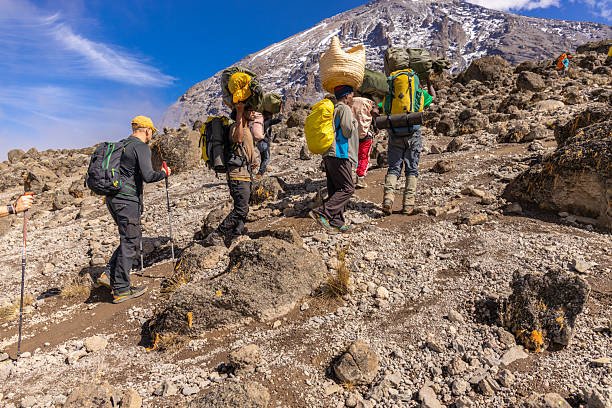
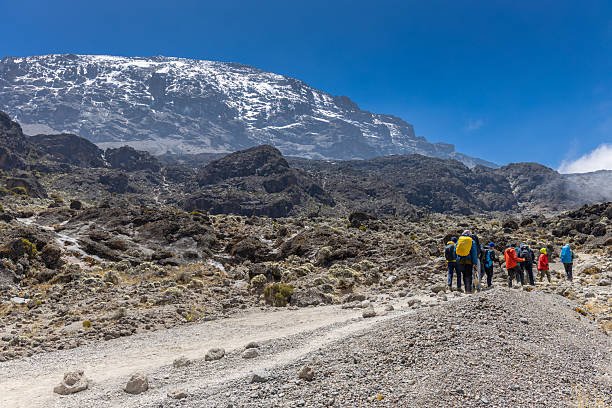
Mount Kilimanjaro contains rainforest, heath and moorland, high alpine desert, volcanic formations, expansive plateaus, steep ridges, glaciers and views across the plains of northern Tanzania and southern Kenya.
Different routes reveal different sides of the mountain, so scenery is not simply about choosing the route with the most famous name.
For travellers looking for a combination of diverse ecosystems, Shira Plateau views, dramatic volcanic terrain and the southern face of Kilimanjaro, Lemosho is particularly attractive.
Northern Circuit adds a long traverse around the northern slopes, Machame shares many of the dramatic southern sections, Rongai provides a distinctive northern approach and Mawenzi scenery, while Marangu offers classic eastern Kilimanjaro landscapes and hut based trekking.
Scenic Kilimanjaro Routes at a Glance
- Lemosho: Rainforest, Shira Plateau, Lava Tower, Barranco Wall and southern glaciers
- Northern Circuit: Western approach plus remote northern slopes and broad mountain views
- Machame: Rainforest, Shira, Lava Tower, Barranco, Karanga and dramatic southern terrain
- Rongai: Northern wilderness, Mawenzi scenery and a different approach to Kibo
- Marangu: Rainforest, Horombo landscapes, Mawenzi views and the Saddle
Which Kilimanjaro Route Has the Most Varied Scenery?
Lemosho is especially attractive when the priority is experiencing many different landscapes during one climb.
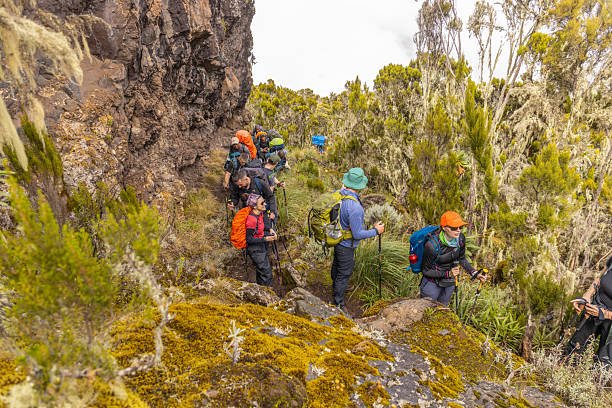
The route begins through western rainforest before emerging into heath and moorland.
It then crosses the broad Shira Plateau, moves toward the volcanic landscape around Lava Tower and later reaches the dramatic southern side of Kilimanjaro.
Barranco Wall, Karanga Valley, Barafu and the upper summit environment continue changing the scenery as elevation increases.
The descent through Mweka brings climbers back into lush vegetation, completing a route that passes through several distinct environments.
Why Lemosho Is Famous for Scenery
- Western Kilimanjaro rainforest
- Shira Ridge
- Shira Plateau
- Wide views toward Kibo
- Lava Tower volcanic landscape
- Barranco Valley
- Barranco Wall
- Southern glacier views
- Karanga Valley
- High alpine summit terrain
Lemosho Route Scenery
Lemosho approaches Kilimanjaro from the west and generally begins near the Londorossi and Lemosho trailhead area.
The first stages move through a dense montane forest environment where vegetation can be completely different from the dry alpine landscape climbers will see later in the expedition.
As elevation increases, the forest begins to open and the route progresses toward Shira Ridge and Shira Plateau.
The plateau is one of the most visually distinctive sections of western Kilimanjaro.
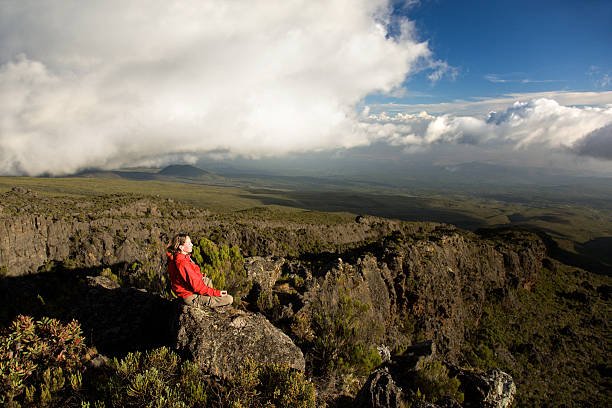
On clear days, climbers can experience extensive views across the high plateau toward Kibo and across lower terrain surrounding the mountain.
Shira Plateau
Shira Plateau is an important reason many photographers and landscape focused travellers consider Lemosho.
The broad open terrain gives a very different feeling from the confined forest trail of the first trekking stages.
An eight day itinerary commonly uses separate Shira stages, allowing climbers to spend more time crossing this part of the mountain.
Changing cloud, morning light and evening conditions can transform the views dramatically from one hour to another.
Typical Scenic 8 Day Lemosho Itinerary
- Day 1: Lemosho trailhead to Mti Mkubwa through rainforest
- Day 2: Mti Mkubwa to Shira 1 through heath and moorland
- Day 3: Shira 1 to Shira 2 across the plateau
- Day 4: Shira 2 via Lava Tower to Barranco
- Day 5: Barranco Wall to Karanga
- Day 6: Karanga to Barafu
- Day 7: Summit and descend to Mweka
- Day 8: Mweka forest descent and return to Moshi
Lava Tower Scenery
The transition from Shira toward Lava Tower introduces a much more volcanic and high altitude environment.
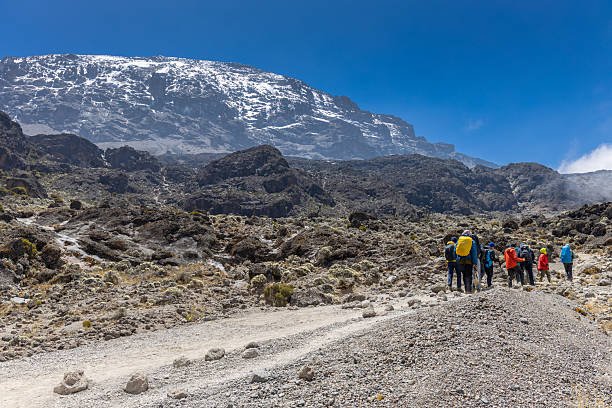
Vegetation becomes sparse and the surrounding terrain increasingly resembles an alpine desert.
Lava Tower forms a dramatic geological landmark within this landscape.
The stage is visually impressive because climbers experience the contrast between open Shira terrain, dark volcanic formations and the massive upper slopes of Kibo.
Barranco Camp Scenery
Barranco is one of Kilimanjaro's most dramatic camping areas.
The camp sits below the Barranco Wall with Kibo rising above the southern circuit.
The surrounding valley, mountain ridges and changing clouds can create spectacular evening and early morning views.
For many climbers, arriving at Barranco is one of the most memorable visual moments of the entire trek.
Barranco Wall Views
The climb over Barranco Wall adds a different type of scenery.
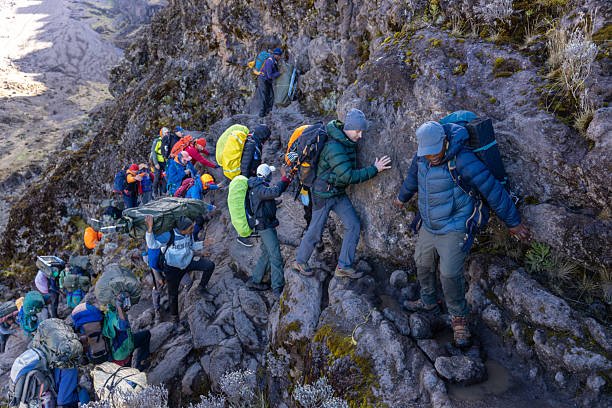
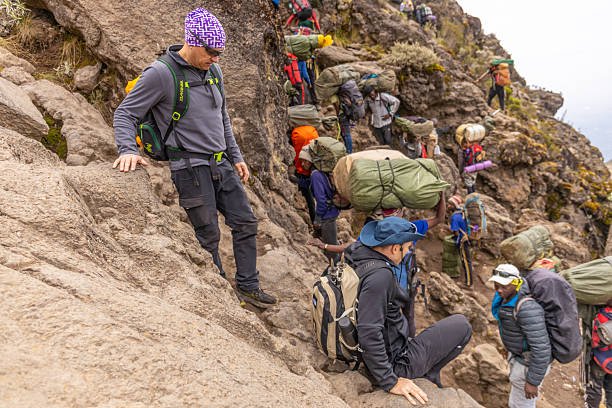
Instead of simply walking through open terrain, climbers move steeply upward along the wall while the valley opens below.
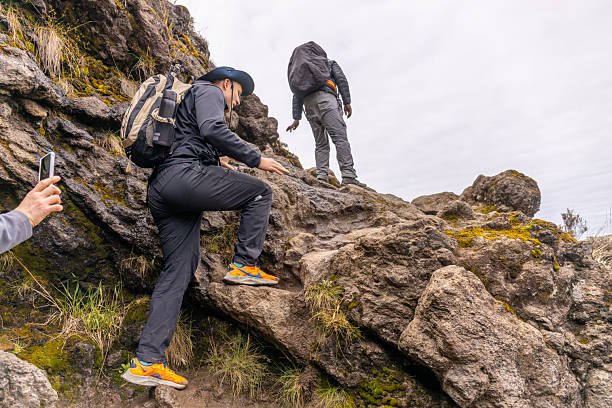
The established route involves trekking and scrambling rather than technical rock climbing.
As elevation is gained, the views can extend back across Barranco and toward the surrounding southern landscape.
Karanga Valley
After Barranco Wall, the route continues through undulating southern terrain toward Karanga.
The landscape alternates between ridges, valleys and increasingly barren alpine ground.
Views toward Kibo remain a major feature when conditions are clear.
The separate Karanga overnight on longer itineraries gives climbers additional time to experience this part of the mountain rather than moving immediately toward Barafu.
Barafu and High Alpine Scenery
Barafu introduces climbers to a harsher high altitude landscape.
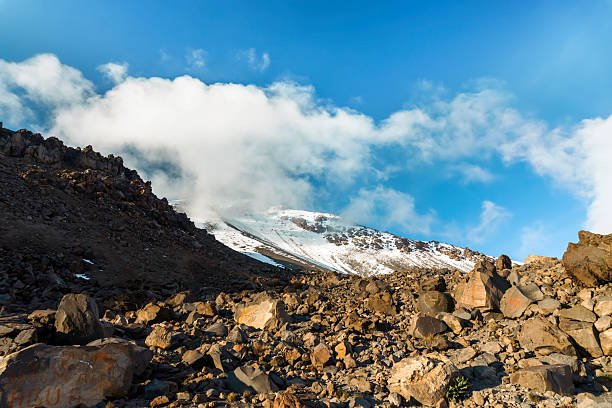
Vegetation is extremely limited and the terrain is rocky and exposed.
The camp is less about lush beauty and more about the dramatic scale of the upper mountain.
This contrast makes Barafu visually distinctive from the rainforest and plateau encountered earlier.
Summit Scenery on Kilimanjaro
The summit landscape is completely different from the lower mountain.
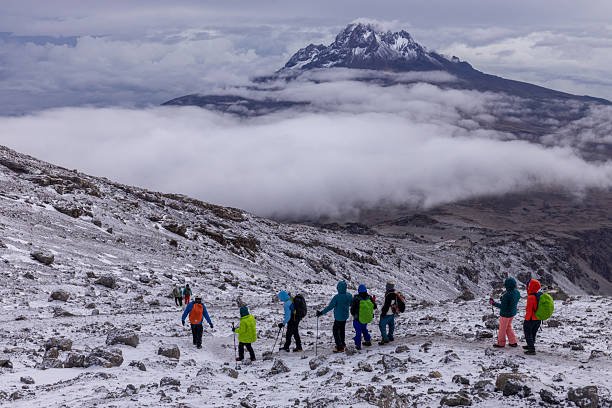
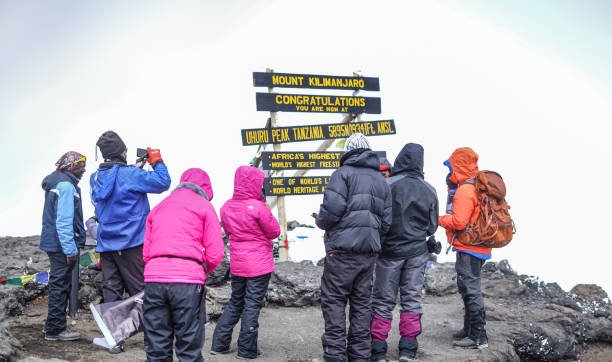
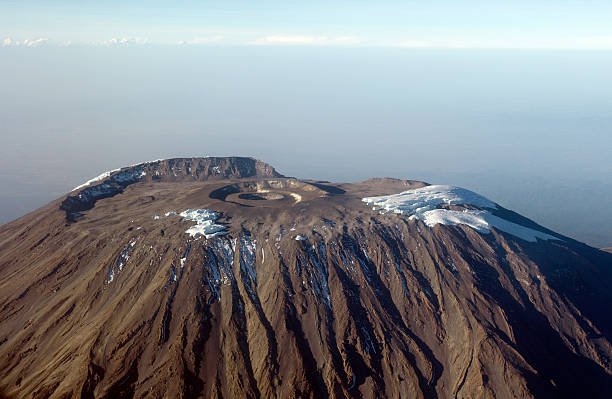
Climbers who reach the crater rim in suitable conditions can experience high altitude volcanic terrain, glaciers and wide views across the surrounding landscape.
Visibility depends heavily on weather, cloud and the time of day.
Reaching Uhuru Peak should nevertheless remain a health dependent objective rather than something guaranteed by selecting a particular route.
Northern Circuit Scenery
The Northern Circuit provides one of Kilimanjaro's broadest visual journeys because it travels around a large portion of the mountain.
The early western approach shares scenery with Lemosho before the route turns north.
Instead of continuing through Barranco and Karanga, climbers move toward Moir, Buffalo Camp and Third Cave.
This creates opportunities to see sides of Kilimanjaro that climbers on the main southern routes do not experience.
Northern Circuit Scenic Highlights
- Western rainforest approach
- Shira Plateau
- Moir Valley
- Remote northern slopes
- Buffalo Camp landscapes
- Third Cave terrain
- Views toward Kenya when conditions permit
- High alpine terrain near School Hut
Moir Valley
Moir marks the transition away from the busier southern circuit.
The surrounding terrain is rugged, open and increasingly remote.
For travellers interested in wilderness atmosphere as much as individual viewpoints, this section can be one of the highlights of the Northern Circuit.
Buffalo Camp and the Northern Slopes
Buffalo Camp is positioned on the northern side of Kilimanjaro.
The scenery is more open and dry than the western rainforest, with broad landscapes stretching away from the mountain.
Lower trail traffic on portions of this traverse can also change the visual experience because there may be fewer groups and tents within the surrounding landscape.
Northern Circuit vs Lemosho for Scenery
Lemosho provides the dramatic southern circuit, including Lava Tower, Barranco Wall and Karanga.
Northern Circuit provides a broader traverse through quieter northern terrain.
Travellers attracted to dramatic southern features may prefer Lemosho, while those wanting to see more sides of Kilimanjaro can consider Northern Circuit.
The choice is therefore between different types of scenery rather than a simple better or worse comparison.
Machame Route Scenery
Machame is another visually varied Kilimanjaro route.
It begins through southern rainforest and rises toward Shira before joining terrain also used by Lemosho.
From there, the route continues toward Lava Tower, Barranco, Karanga and Barafu.
Because Machame shares many of the same upper mountain highlights as Lemosho, it provides excellent scenery even though its early approach is different.
Lemosho vs Machame for Scenery
The routes share many upper mountain landscapes but differ significantly during the beginning of the climb.
Lemosho approaches from farther west and gives climbers more time on Shira Plateau.
Machame approaches more directly from the south.
Both routes normally include Lava Tower, Barranco Wall, Karanga and Barafu in their standard longer itineraries.
Shared Scenic Highlights
- Shira landscape
- Lava Tower
- Barranco Valley
- Barranco Wall
- Karanga
- Southern Kibo views
- Barafu
- Mweka descent
Rongai Route Scenery
Rongai approaches Mount Kilimanjaro from the northern side near the Kenya border.
This gives the route a different atmosphere from Lemosho and Machame.
Early stages travel through relatively remote northern landscapes before moving toward Mawenzi.
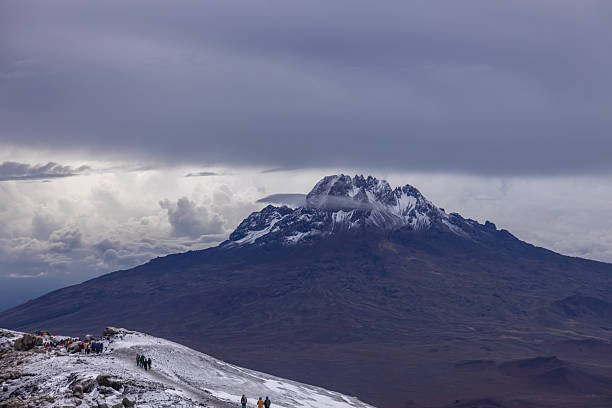
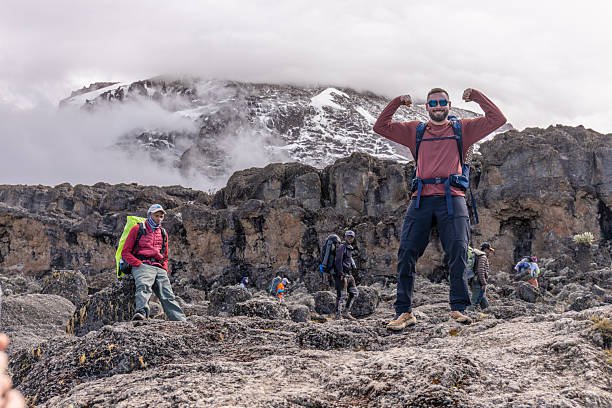
Mawenzi's rugged profile becomes an important visual feature of the route.
The journey later crosses high alpine terrain toward Kibo before the summit stage.
Mawenzi Scenery on Rongai
Mawenzi is Kilimanjaro's rugged secondary peak and provides some of the most distinctive mountain scenery on the Rongai Route.
Its jagged profile contrasts strongly with the broader dome of Kibo.
Climbers using longer Rongai itineraries can spend additional time around the Mawenzi area before crossing toward Kibo.
For travellers who are especially interested in Mawenzi views, Rongai deserves serious consideration.
Marangu Route Scenery
Marangu follows the southeastern side of Kilimanjaro and offers a different visual experience again.
The route begins in lush forest before progressing through Mandara and Horombo.
Higher sections open toward Mawenzi and Kibo, and climbers eventually cross the broad Saddle toward Kibo Hut.
Marangu does not include Barranco Wall or Shira Plateau, but it provides its own classic eastern Kilimanjaro landscapes.
The Saddle Between Mawenzi and Kibo
The high open terrain between Mawenzi and Kibo is one of Marangu's most recognisable scenic sections.
The contrast between the rugged profile of Mawenzi and the broad upper slopes of Kibo creates a dramatic high altitude landscape.
The area is sparse and exposed, illustrating how much the environment changes from the forest at Marangu Gate.
Which Route Gives the Most Different Landscapes?
Lemosho offers a particularly varied sequence because it combines a western approach with the southern circuit.
Northern Circuit provides even greater geographical coverage by continuing around the northern side.
Machame also has substantial variation but reaches Shira more directly.
Rongai and Marangu provide excellent scenery for travellers specifically interested in Mawenzi and the northern or eastern sides of the mountain.
Best Route for Sunrise and Sunset Views
Sunrise and sunset conditions vary from day to day according to cloud, weather and camp location.
Open plateau and alpine camps can provide extensive horizons when conditions are favourable.
Shira, Barranco, Karanga, northern camps and Mawenzi areas can all produce memorable light conditions.
No itinerary can guarantee clear sunrise or sunset views.
Best Kilimanjaro Route for Photography
Photographers may value variety more than one particular viewpoint.
Lemosho provides rainforest, plateau, volcanic formations, steep walls, glaciers and high alpine terrain within one itinerary.
Northern Circuit adds less frequently photographed northern landscapes.
Rongai can be particularly interesting for Mawenzi compositions.
Photography Opportunities
- Rainforest vegetation
- Shira Plateau panoramas
- Kibo views
- Lava Tower
- Barranco Wall
- Southern glaciers
- Mawenzi Peak
- Northern wilderness
- Summit terrain
Weather and Kilimanjaro Scenery
Even the most scenic route can look completely different when cloud covers the mountain.
Kilimanjaro creates its own changing mountain weather, and views can appear and disappear rapidly.
A cloudy morning can become clear later in the day, while a panoramic camp can become covered by mist within minutes.
Travellers should therefore choose a route for its overall landscape variety rather than expecting a specific photograph at a specific location.
Rainforest Scenery
The lower mountain forest provides one of the strongest contrasts within a Kilimanjaro expedition.
Vegetation can be lush, damp and dense before gradually becoming shorter as elevation increases.
Lemosho and Machame both begin with substantial forest trekking.
Marangu also passes through rich forest from the southeastern side.
Heath and Moorland
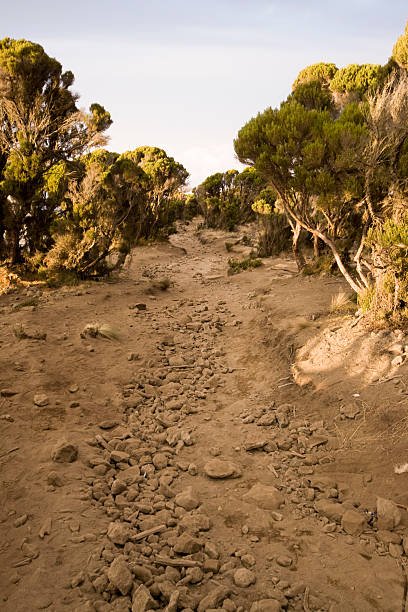
Above the forest, vegetation changes into increasingly open heath and moorland.
This creates wider views and allows the upper mountain to become more prominent.
The transition is particularly noticeable on Lemosho as climbers approach Shira.
Alpine Desert
Higher on Kilimanjaro, vegetation becomes sparse and volcanic terrain dominates.
The alpine desert is visually powerful because it contrasts so strongly with the green lower mountain.
Lava Tower, Barafu, Kibo, School Hut and other high camps expose climbers to this austere environment.
Glaciers and Summit Landscape
Kilimanjaro's summit zone includes a high altitude environment unlike anything encountered during the first trekking days.
Depending on route, visibility and summit conditions, climbers can experience views toward glaciers and the crater area.
Photography at this altitude should remain secondary to following guide instructions and maintaining safe movement.
Most Scenic Route for First Time Climbers
First time climbers interested in scenery should also consider acclimatisation and total mountain days.
An eight day Lemosho itinerary can combine scenic variety with a gradual route structure.
Seven day Machame can provide many of the same southern highlights within a slightly shorter program.
Northern Circuit can suit first time climbers who have enough time for a longer expedition.
Most Scenic Route for Solo Travellers
Solo travellers can choose the same scenic routes as couples or private groups.
Available scheduled group departures may influence the practical route choice.
Lemosho and Machame can have frequent group options, while Northern Circuit and Rongai departures may be available on selected dates.
Most Scenic Private Kilimanjaro Route
A private climb provides flexibility when selecting the route and departure date.
Travellers focused on photography can choose an itinerary with additional mountain days, but the daily trekking schedule still needs to be respected.
Private travel does not mean exclusive camps because Kilimanjaro uses designated camping areas shared by expeditions.
Scenic Route with Barranco Wall
Lemosho and Machame are the main choices for travellers who specifically want to experience Barranco Wall.
The wall is one of the most recognisable sections of the southern circuit.
Northern Circuit, Rongai and Marangu follow different upper mountain progressions and do not normally include this feature.
Scenic Route with Mawenzi Views
Rongai provides especially strong access to Mawenzi scenery.
Marangu also provides dramatic views toward Mawenzi as the route progresses through Horombo and toward Kibo.
Travellers fascinated by the rugged appearance of Mawenzi may therefore prefer these eastern and northern routes.
Scenery vs Acclimatisation
The most visually appealing itinerary should still provide appropriate mountain time.
Travellers should not shorten a route simply to reach a particular viewpoint more quickly.
Longer Lemosho and Northern Circuit itineraries can combine extensive scenery with additional time for altitude progression.
Compare Scenic Routes By
- Landscape variety
- Number of mountain days
- Acclimatisation profile
- Trail traffic
- Camping or hut accommodation
- Photography interests
- Route difficulty
- Complete package cost
Scenic Kilimanjaro Route Cost
Scenic value does not directly determine price.
The major cost factors are route duration, number of climbers, crew requirements, mountain meals, transport and accommodation arrangements.
Longer routes such as eight day Lemosho and Northern Circuit can cost more than shorter itineraries because they require additional mountain support.
Travellers should compare scenery and itinerary quality together with the complete package cost.
Camping and Scenic Views
Lemosho, Machame, Rongai and Northern Circuit use camping.
Camping places travellers directly within the changing mountain landscape throughout the expedition.
Camp views depend on weather and tent placement, but waking up within Shira, Barranco, Mawenzi or northern Kilimanjaro can be a memorable part of the experience.
Hut Accommodation and Scenery
Marangu uses mountain huts rather than tents.
This route still provides substantial scenery, including forest, Horombo, Mawenzi and the Saddle.
Travellers choosing huts do not have to sacrifice mountain views, but they experience a different route from the western and southern camping itineraries.
Professional Guides and Scenic Trekking
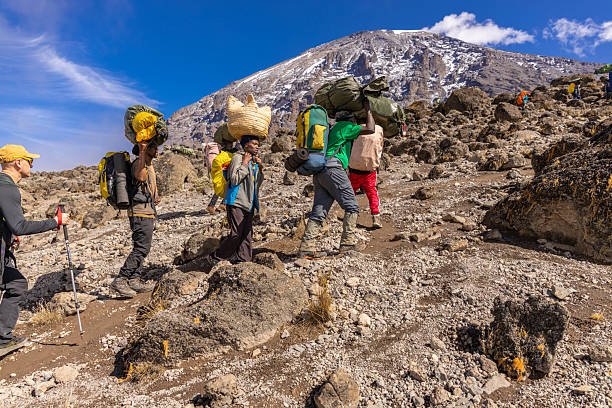
Professional guides help climbers understand the route while managing pace, health and safety.
The scenery can encourage travellers to stop frequently for photographs, but the trekking schedule must remain compatible with safe mountain progress.
Guides can indicate suitable stopping points according to conditions and the day's itinerary.
Equipment for Scenic Kilimanjaro Routes
Photography and scenic appreciation do not change the basic equipment requirements of climbing Kilimanjaro.
Climbers still need suitable boots, layered clothing, waterproof protection and summit equipment.
Useful Mountain Equipment
- Trekking boots
- Daypack
- Base layers
- Warm insulating layers
- Insulated summit jacket
- Waterproof jacket and trousers
- Warm gloves
- Warm hat
- Headlamp
- Trekking poles
- Suitable sleeping bag on camping routes
- Sun protection
Equipment Rental in Moshi
Selected trekking equipment can be rented in Moshi where available.
Travellers carrying camera equipment should remember that their daypack must remain comfortable enough for several consecutive trekking days.
Photography equipment should not replace essential water, clothing or safety related items in the daypack.
Moshi Before Your Scenic Kilimanjaro Climb
Moshi provides a convenient base before travelling to the mountain.
The guide briefing and equipment inspection can take place before departure.
Travellers interested in photography can also review how much camera equipment they genuinely want to carry every day.
Kilimanjaro and Safari Photography
A scenic Kilimanjaro climb can be combined with a Tanzania safari after the mountain.
This creates an itinerary combining mountain landscapes with wildlife and savannah photography.
Popular Post Climb Safari Areas
- Tarangire National Park
- Lake Manyara National Park
- Ngorongoro Crater
- Serengeti National Park
- Private safari
- Group joining safari
Kilimanjaro and Zanzibar
Zanzibar can be added after Kilimanjaro or after a combined mountain and safari itinerary.
The coastline provides a completely different photographic landscape after the forests, volcanic terrain and glaciers of Kilimanjaro.
How to Choose the Most Scenic Route for You
Decide which landscape interests you most before choosing the route.
If you want Shira Plateau and Barranco Wall, compare Lemosho and Machame.
If you want to see more sides of Kilimanjaro and experience remote northern landscapes, consider Northern Circuit.
If Mawenzi is especially important, compare Rongai and Marangu.
Then consider mountain days, acclimatisation, accommodation and cost before making the final decision.
Scenic Route Selection Checklist
- Do you want to cross Shira Plateau?
- Do you want Barranco Wall?
- Do you want a longer northern traverse?
- Are Mawenzi views important?
- Do you prefer camping or huts?
- How many mountain days do you have?
- Do you prefer quieter trails?
- What is your total trip budget?
Frequently Asked Questions
What is the most scenic Kilimanjaro route?
Scenery is subjective, but Lemosho is especially known for combining western rainforest, Shira Plateau, Lava Tower, Barranco Wall and southern Kilimanjaro landscapes within one route.
Why is Lemosho considered scenic?
Lemosho crosses several ecosystems and includes Shira Plateau, volcanic terrain, Barranco Valley, Barranco Wall, Karanga and high alpine summit scenery.
Is Northern Circuit more scenic than Lemosho?
The routes offer different scenery. Northern Circuit provides a broader northern traverse, while Lemosho includes the dramatic Barranco and southern circuit sections.
Is Machame scenic?
Yes. Machame passes through rainforest, Shira, Lava Tower, Barranco, Karanga and high alpine terrain before the summit.
Which route has the best Mawenzi views?
Rongai provides particularly distinctive Mawenzi scenery, while Marangu also offers strong views of Mawenzi from its eastern approach.
Which routes include Barranco Wall?
Standard Lemosho and Machame itineraries normally include Barranco Wall.
Which route crosses Shira Plateau?
Lemosho crosses the Shira Plateau from the western side. Northern Circuit also uses the western Shira approach before turning north, while Machame reaches the Shira area from the south.
Which scenic route is quieter?
Northern Circuit provides quieter northern sections, while Rongai also generally experiences lower trail traffic during much of its ascent. Actual traffic varies by date and season.
Which scenic route is suitable for beginners?
Longer Lemosho itineraries can suit first time climbers who want varied scenery and sufficient mountain time. Other longer routes can also be considered according to preparation and preferences.
Which route is good for photography?
Lemosho provides substantial landscape variety, while Northern Circuit offers additional northern views and Rongai provides distinctive Mawenzi scenery.
Does Marangu have good scenery?
Yes. Marangu includes rainforest, Horombo landscapes, Mawenzi views and the high Saddle between Mawenzi and Kibo.
Which scenic route uses huts?
Marangu is the principal Kilimanjaro route using mountain huts.
Which scenic routes use tents?
Lemosho, Machame, Rongai and Northern Circuit use camping accommodation during their ascent itineraries.
Can weather hide the mountain views?
Yes. Clouds, rain and changing mountain weather can reduce visibility on any route, so specific views cannot be guaranteed.
Can I book a private scenic Kilimanjaro climb?
Yes. Private climbs can be arranged on the main Kilimanjaro routes according to your dates and preferred itinerary.
Can solo travellers join scenic routes?
Yes. Solo travellers can join scheduled departures on routes such as Lemosho and Machame, with other routes available on selected dates.
Can safari be added after Kilimanjaro?
Yes. Tarangire, Lake Manyara, Ngorongoro and Serengeti can be combined with a Kilimanjaro climb.
Can Zanzibar be added after the climb?
Yes. Zanzibar can be added after Kilimanjaro or after a combined mountain and safari itinerary.
Choose Your Scenic Kilimanjaro Route
Explore western rainforest, Shira Plateau, Lava Tower, Barranco Wall, northern wilderness, Mawenzi and the high alpine summit landscape on a route suited to your travel time and trekking preferences.
Compare Lemosho, Machame, Northern Circuit, Rongai and Marangu and add Moshi hotels, airport transfers, equipment rental, safari or Zanzibar to create your complete Tanzania journey.
Compare Scenic Kilimanjaro Routes

 Kilimanjaro Climb