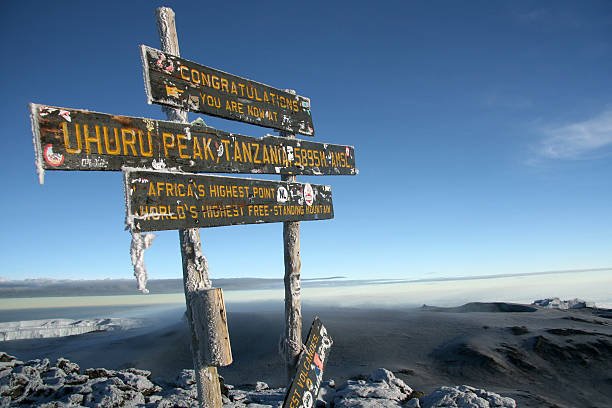
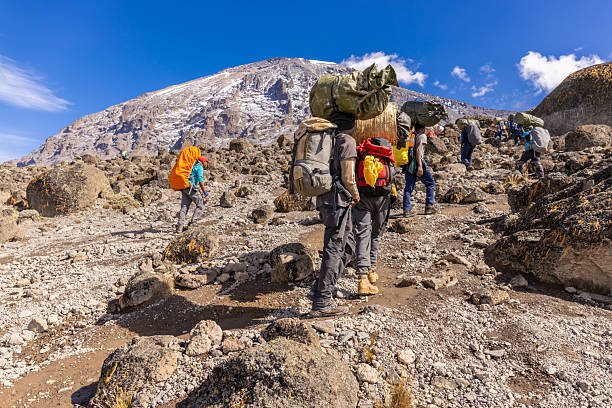
Kilimanjaro Hydration, Salts and Electrolytes 2026-2027
Kilimanjaro Hydration, Salts and Electrolytes 2026-2027 are important because climbers spend several days walking in changing temperatures while breathing more rapidly at altitude and losing fluids through respiration, sweat and normal body processes.
A good hydration strategy does not mean forcing enormous quantities of water. It means drinking regularly, eating properly, using electrolytes sensibly and paying attention to how the body responds throughout the climb.
Hydration also needs to be considered together with acclimatization. Drinking water can support normal body function, but it does not prevent altitude illness by itself and should never be used as a substitute for slow ascent, proper pacing and guide monitoring.
The most practical approach is to begin the trek well prepared and maintain a consistent routine from the first day rather than trying to correct dehydration after symptoms have already become significant.
Kilimanjaro Hydration at a Glance
- Main goal: Drink steadily throughout the trekking day
- Best approach: Balance water, meals and sensible electrolyte use
- Cold weather: Continue drinking even when thirst decreases
- Summit night: Prepare enough accessible fluid before leaving camp
- Electrolytes: Useful in moderation, not a replacement for food
- Key mistake: Drinking too little or forcing excessive plain water
- Safety: Report persistent or severe symptoms to the guide
Why Hydration Matters on Kilimanjaro
Kilimanjaro climbers are physically active for several consecutive days and spend increasing amounts of time at altitude.
As elevation increases, breathing normally becomes faster and deeper. This can increase respiratory water loss because more moisture leaves the body through exhaled air.
Dry conditions at higher elevations can make fluid loss less obvious than during hot lowland exercise because sweat may evaporate quickly.
For this reason, a climber can become under-hydrated without feeling extremely sweaty.
How Much Water Should You Drink on Kilimanjaro?
There is no single exact amount that is correct for every climber because fluid needs vary according to body size, weather, exertion, diet, sweating rate and individual physiology.
The most useful strategy is to drink regularly during the day instead of attempting to consume a large quantity all at once.
Climbers should follow the guidance provided by their trekking team and make sure they start each day with enough drinking water for the planned route.
Meals, soups, tea and other fluids also contribute to overall hydration and should be considered as part of the daily routine.
A Practical Hydration Routine
- Drink during breakfast
- Fill all bottles or hydration containers before leaving camp
- Take small amounts regularly while walking
- Drink during longer rest stops
- Use fluids with meals
- Replace some salts through normal food and appropriate electrolyte drinks
- Prepare summit night water before resting at high camp
Why Thirst Can Be Misleading at High Altitude
Climbers should not depend entirely on strong thirst as the signal to drink.
Cold conditions can reduce the desire to drink even though fluid losses continue.
Some climbers also become distracted by scenery, fatigue or the effort of walking and simply forget to drink for long periods.
Developing a routine of taking regular sips can be more reliable than waiting until intense thirst appears.
What Are Electrolytes?
Electrolytes are minerals in the body that help support functions including fluid balance, nerve activity and muscle function.
Common electrolytes include sodium, potassium, chloride and magnesium.
These minerals are normally obtained through food and fluids.
During prolonged exercise, sweating and changing eating patterns, some climbers may find electrolyte drinks useful as part of their overall hydration plan.
Why Sodium Matters During a Kilimanjaro Climb
Sodium is one of the main electrolytes lost through sweat.
It also plays an important role in normal fluid balance.
Most climbers obtain sodium naturally through meals, soups, sauces, snacks and other foods served during the expedition.
Electrolyte products can provide additional sodium when appropriate, but more is not automatically better.
Do You Need Electrolyte Tablets on Kilimanjaro?
Electrolyte tablets or powders can be useful, particularly for climbers who sweat heavily or struggle to drink plain water throughout the day.
However, they are not essential for every single litre consumed.
Many climbers prefer to use plain water for part of the day and add electrolytes to one bottle according to the product instructions.
This can also prevent flavour fatigue when the same strong drink mixture becomes unpleasant after several days.
Useful Electrolyte Options for Kilimanjaro
- Electrolyte tablets
- Electrolyte powder sachets
- Sports drink powder
- Oral rehydration products when medically appropriate
- Normal salty meals and snacks
- Soups and broths served during the climb
Mistake 1: Drinking Too Little Because the Weather Is Cold
One of the most common Kilimanjaro hydration mistakes occurs during cold conditions.
Climbers may not feel thirsty and therefore drink much less than they did at lower elevations.
However, walking, breathing and normal body processes continue to cause fluid losses.
Continue following a regular hydration routine even when cold temperatures reduce the desire to drink.
Mistake 2: Waiting Until You Are Extremely Thirsty
Waiting until strong thirst develops can make it harder to maintain consistent hydration.
Large amounts of water consumed suddenly may also feel uncomfortable while walking.
Regular small amounts are generally easier to tolerate throughout the trekking day.
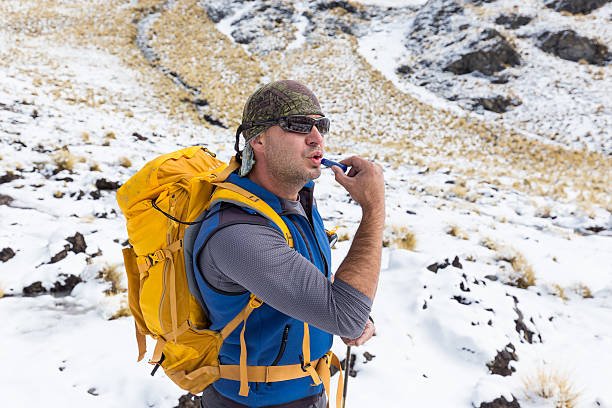
A hydration bladder or accessible water bottle can make frequent drinking easier.
Mistake 3: Drinking Huge Amounts of Plain Water
More water is not always better.
Forcing excessive amounts of plain water can create its own problems and may disturb the body's normal salt balance.
Climbers should avoid turning hydration into a competition based on who can drink the largest quantity.
A balanced approach that includes food, appropriate salts and steady fluid intake is more sensible than extreme water consumption.
Avoid Both Hydration Extremes
- Do not ignore drinking for hours
- Do not force excessive quantities rapidly
- Do not use electrolyte powder far stronger than instructed
- Do not replace proper meals entirely with sports drinks
- Do not assume every headache means dehydration
- Do not assume hydration alone prevents altitude sickness
Mistake 4: Mixing Electrolytes Too Strongly
Using extra powder does not necessarily produce a better hydration drink.
Strong mixtures can taste unpleasant and may cause stomach discomfort for some climbers.
Follow the manufacturer's mixing instructions unless a healthcare professional has advised otherwise.
It is useful to test electrolyte products during training before travelling to Tanzania rather than discovering on the mountain that a particular flavour or formula is difficult to tolerate.
Mistake 5: Using Electrolytes as a Replacement for Meals
Electrolyte drinks can contribute fluids and minerals, but they are not a substitute for normal meals.
Kilimanjaro climbing requires substantial energy because trekkers walk for several hours each day.
Breakfast, lunch, dinner, soups and snacks provide carbohydrates, protein, fat, salts and other nutrients that electrolyte drinks alone cannot supply.
Climbers should therefore continue eating as well as possible throughout the expedition.
Mistake 6: Forgetting to Drink at Camp
Some climbers drink while walking but stop paying attention to hydration after reaching camp.
Evening fluids can form part of the recovery routine after a long trekking day.
Tea, water and soup served around camp can contribute to overall fluid intake.
However, drinking very large quantities immediately before sleeping may cause repeated nighttime toilet trips, which can disturb rest.
Mistake 7: Ignoring Urine Changes Completely
Urine colour can provide a rough indication of hydration, although it should not be treated as a perfect diagnostic tool.
Very concentrated urine may suggest that a climber should pay more attention to fluids.
However, medications, vitamins, foods and other factors can also affect urine colour.
Use it as one clue alongside thirst, overall wellbeing and guidance from the trekking team rather than as the only hydration measure.
Mistake 8: Assuming Every Headache Is Dehydration
Headache is common during high altitude trekking and can have multiple causes.
Dehydration may contribute, but headache can also be associated with altitude exposure, fatigue, poor sleep or other issues.
Climbers should not simply drink more water and ignore a persistent or worsening headache.
Report symptoms accurately to the guide so they can be considered within the broader altitude and health assessment.
Hydration and Altitude Sickness
Good hydration supports normal physical function, but drinking large amounts of water does not prevent acute mountain sickness on its own.
The most important altitude strategy remains gradual ascent, appropriate route design, slow walking and honest symptom reporting.
Climbers should therefore avoid thinking that they can compensate for rapid ascent simply by drinking more.
If altitude symptoms worsen, the guide's safety decisions take priority over any hydration plan.
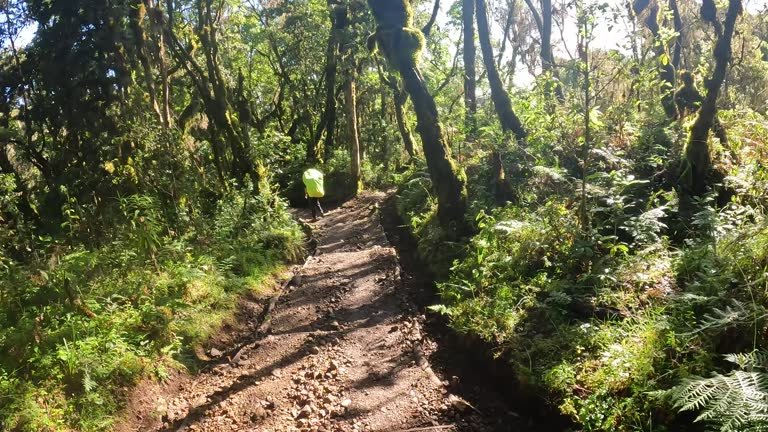
Hydration During Kilimanjaro's Rainforest Zone
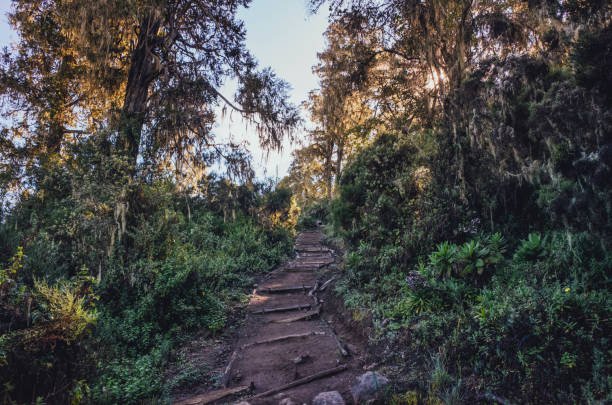
The lower sections of Kilimanjaro can feel warmer and more humid than the upper mountain.
Climbers may sweat more noticeably while walking through the rainforest.
Regular water intake is important, especially when the trail includes sustained uphill sections.
Rainy weather should not be mistaken for reduced hydration needs simply because the environment feels wet.
Hydration in the Heath and Moorland Zone
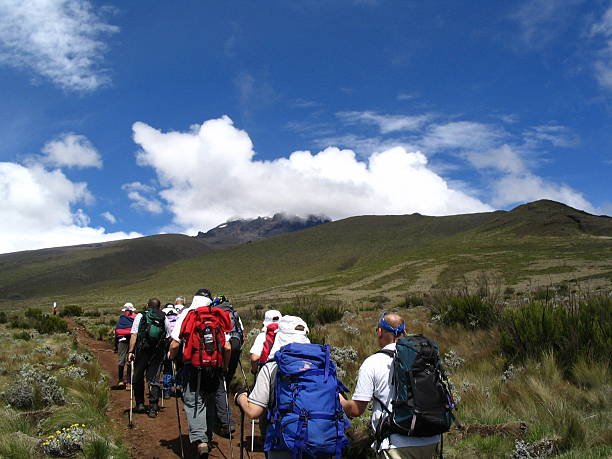
As the landscape opens, sun exposure and wind may become more noticeable.
Climbers should keep water accessible so they can drink without repeatedly unpacking the entire backpack.
This is also a useful stage for developing the hydration routine that will continue into higher elevations.
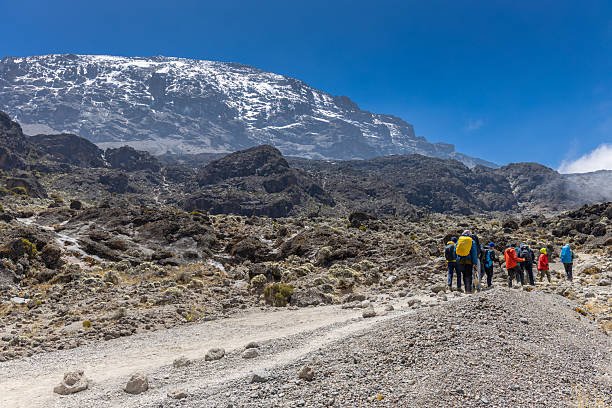
Hydration in Kilimanjaro's Alpine Desert
The alpine desert can be dry, sunny and windy.
Sweat may evaporate rapidly, so climbers may underestimate how much fluid they are losing.
The dry air at altitude also increases respiratory moisture loss.
Continue drinking steadily even when clothing does not feel heavily soaked with sweat.
Signs You May Need to Pay More Attention to Hydration
- Persistent strong thirst
- Very dry mouth
- Unusually concentrated urine
- Reduced urination
- Unusual weakness
- Difficulty continuing normal drinking
These signs can overlap with other high altitude or medical issues, so persistent or severe symptoms should be discussed with the guide rather than self-diagnosed.
Hydration on Summit Night
Summit night requires careful preparation because climbers may walk for many hours in freezing temperatures.
The combination of cold, fatigue and altitude can make drinking less appealing.
Prepare enough fluid before leaving high camp and place it where it can be accessed without major delays.
Take small drinks during appropriate stops instead of waiting until severe thirst develops.
How to Stop Water from Freezing on Summit Night
Water can begin freezing in exposed bottles or hydration tubes during very cold summit conditions.
Insulated bottle covers can help slow the freezing process.
Climbers using hydration bladders should remember that exposed drinking tubes may freeze before the main reservoir.
Keeping some water in protected bottles provides useful backup.
Summit Night Hydration Checklist
- Prepare water before resting at high camp
- Use insulated containers where practical
- Carry at least one bottle as backup
- Protect bottles from extreme exposure
- Drink during safe rest stops
- Avoid forcing huge quantities at once
- Tell the guide if nausea prevents normal drinking
Water Bottles vs Hydration Bladders on Kilimanjaro
Both systems can work well, and many climbers use a combination.
Hydration bladders make frequent sipping convenient because the drinking tube remains accessible while walking.
Bottles are simple, easy to monitor and useful in freezing conditions when hydration tubes may become problematic.
Carrying both can provide flexibility throughout different sections of the mountain.
Should You Use Only Electrolyte Water?
There is usually no need to make every drink a strong electrolyte solution.
Some climbers prefer one bottle containing electrolytes and another containing plain water.
This provides variety and makes it easier to adjust intake according to appetite, meals and personal preference.
Using extremely concentrated electrolyte drinks throughout the entire climb may become unpleasant and unnecessary.
Salty Snacks on Kilimanjaro
Normal food is an important source of sodium and other minerals.
Soups, crackers, salted nuts and savoury meals can help provide salts alongside fluids.
Climbers should not rely exclusively on sweet energy products because appetite can change during a multi-day climb.
A mixture of sweet and savoury snacks often provides more variety.
Soups and Hot Drinks on Kilimanjaro
Warm fluids can become particularly appealing during cold evenings.
Soup contributes both fluid and salts, while tea and other hot drinks can also help climbers maintain normal fluid intake.
These should be considered part of the overall hydration pattern rather than thinking only about water bottles.
Hydration When Appetite Decreases
Some climbers experience reduced appetite at higher elevations.
This can also reduce intake of sodium, carbohydrates and other nutrients normally obtained from food.
Continue trying to eat manageable portions and inform the guide if appetite loss becomes severe or is accompanied by significant nausea or vomiting.
Electrolyte drinks may be easier to tolerate for some people, but they should not be used to hide worsening altitude symptoms.
Vomiting, Diarrhea and Hydration on Kilimanjaro
Vomiting or diarrhea can increase fluid and electrolyte losses substantially.
This is different from normal daily hydration and should be taken seriously during a mountain expedition.
Climbers experiencing repeated vomiting, persistent diarrhea or inability to keep fluids down should inform the guide promptly.
These symptoms can affect hydration, energy and the ability to continue safely.
Can Electrolytes Prevent Muscle Cramps?
Muscle cramps can have several contributing factors including fatigue, exertion, conditioning and fluid or electrolyte issues.
It is therefore too simple to assume that every cramp means a climber needs more electrolyte powder.
A balanced diet, appropriate hydration, proper pacing and rest are all relevant.
Persistent or unusual symptoms should be discussed with the trekking team.
Is Coconut Water Useful for Kilimanjaro?
Coconut water contains fluid and electrolytes and can be enjoyable before or after the trek.
However, carrying enough packaged coconut water for a multi-day climb would normally add unnecessary weight.
Standard water, mountain meals and lightweight electrolyte products are generally more practical during the expedition itself.
Sports Drinks on Kilimanjaro
Sports drink powders can make water more appealing and provide carbohydrates and electrolytes.
They can be particularly useful for climbers who struggle to drink enough plain water.
However, very sweet drinks may become difficult to tolerate after several days.
Test products during training and choose flavours that you already know you can drink comfortably.
Caffeine and Hydration on Kilimanjaro
Many climbers normally drink coffee or tea and may continue doing so during the trek.
Moderate amounts can fit within the overall fluid routine for people accustomed to caffeine.
However, travellers should avoid dramatically changing their normal caffeine habits immediately before or during the climb.
Water and other non-caffeinated fluids should remain readily available throughout the day.
Alcohol Before and After Kilimanjaro
Alcohol is not part of an effective hydration strategy before a demanding high altitude trek.
Climbers should focus on adequate rest, fluids and meals before beginning the mountain expedition.
Celebrating after completing the climb is a separate personal choice, but rehydrating and eating after the trek should remain important.
Preparing Your Hydration Strategy Before Tanzania
The best time to test bottles, hydration bladders and electrolyte products is during training hikes at home.
This allows climbers to discover whether a hydration tube leaks, whether a certain electrolyte flavour causes stomach discomfort or whether the planned bottle system is difficult to access from the backpack.
Equipment and products already tested during training are usually easier to manage on Kilimanjaro.
Hydration Items to Pack for Kilimanjaro
- Reusable water bottles
- Hydration bladder if preferred
- Insulated bottle cover for summit conditions
- Electrolyte tablets or powder
- A few preferred salty snacks
- Easy-to-open drink containers
- Backup bottle for summit night
Hydration and the Kilimanjaro Daypack
Water is one of the heavier items a climber carries each day.
It should therefore be arranged in the backpack so the weight remains stable and comfortable.
Frequently used bottles should also be reasonably accessible.
A well-organized hydration system reduces the temptation to avoid drinking simply because accessing the water is inconvenient.
When Hydration Problems Need More Attention
Normal thirst after trekking is different from serious or persistent symptoms.
Repeated vomiting, confusion, inability to drink, severe weakness, worsening dizziness or unusual changes in behaviour require attention from the guide.
Climbers should not keep forcing fluids while ignoring other signs that may indicate a more significant medical or altitude-related problem.
Guides should be told clearly how the climber is feeling so the situation can be assessed properly.
Final Kilimanjaro Hydration Checklist 2026-2027
Before and During Your Climb
- Start the trek normally hydrated
- Carry enough fluid for each day's route
- Drink small amounts regularly
- Continue drinking during cold weather
- Eat normal meals and salty foods
- Use electrolytes sensibly
- Avoid forcing excessive plain water
- Prepare summit night fluids carefully
- Protect drinking water from freezing
- Report significant symptoms to the guide
Frequently Asked Questions About Kilimanjaro Hydration, Salts and Electrolytes
How much water should I drink on Kilimanjaro?
Fluid needs vary between climbers. The practical approach is to drink regularly throughout the day, follow your guide's recommendations and avoid both dehydration and excessive forced water intake.
Do I need electrolytes on Kilimanjaro?
Electrolyte products can be useful, especially during prolonged trekking, but climbers also obtain salts from meals, soups and snacks. They should be used as part of a balanced hydration strategy.
Should I put electrolytes in all my Kilimanjaro water?
Not necessarily. Many climbers prefer a combination of plain water and an electrolyte drink so they have variety throughout the day.
Can drinking more water prevent altitude sickness?
No. Staying appropriately hydrated is useful, but water does not replace gradual acclimatization, slow ascent, symptom monitoring or descent when medically necessary.
Can you drink too much water on Kilimanjaro?
Yes. Excessive forced water intake can disturb normal fluid and salt balance, so hydration should remain steady and sensible rather than extreme.
Why do I feel less thirsty when it is cold?
Cold conditions can reduce the sensation of thirst even though the body continues losing fluid through breathing, activity and normal body processes.
Should I use electrolyte tablets on summit night?
They can be useful if you already tolerate them well, but summit night is not a good time to experiment with a new or unusually strong electrolyte product.
How can I stop water from freezing on summit night?
Use insulated bottles or bottle covers, keep containers protected inside the backpack and carry bottle backup if using a hydration bladder because exposed drinking tubes can freeze.
Is a hydration bladder good for Kilimanjaro?
Yes. Hydration bladders make regular sipping convenient, although bottles are useful as backup and can be easier to manage during freezing summit conditions.
Are salty snacks useful on Kilimanjaro?
Yes. Salty snacks, soups and normal meals can contribute sodium and provide useful variety during several days of trekking.
Does dark urine always mean dehydration?
Not always. Urine colour can provide a rough clue, but foods, supplements and medications can affect it. It should be considered together with other symptoms and overall fluid intake.
Is every headache on Kilimanjaro caused by dehydration?
No. Headaches at altitude can have several causes. Persistent or worsening headaches should be reported to the guide rather than treated only by drinking more water.
What if I cannot keep water down?
Repeated vomiting or inability to keep fluids down should be reported to the guide promptly because it can affect hydration and may occur together with other health or altitude problems.
What is the best hydration strategy for Kilimanjaro in 2026-2027?
Drink steadily throughout the day, eat normal meals, use electrolytes sensibly, continue drinking during cold conditions, prepare enough fluid for summit night and report concerning symptoms instead of assuming more water will solve every problem.
Prepare Your Kilimanjaro Hydration Plan for 2026-2027
Prepare your water bottles, hydration system, electrolyte products and summit night fluid strategy before climbing Mount Kilimanjaro so you can maintain steady hydration without overdrinking or relying on electrolytes as a substitute for proper nutrition and acclimatization.
Plan Your Kilimanjaro Climb

 Kilimanjaro Climb