Serengeti Safari with Lake Manyara
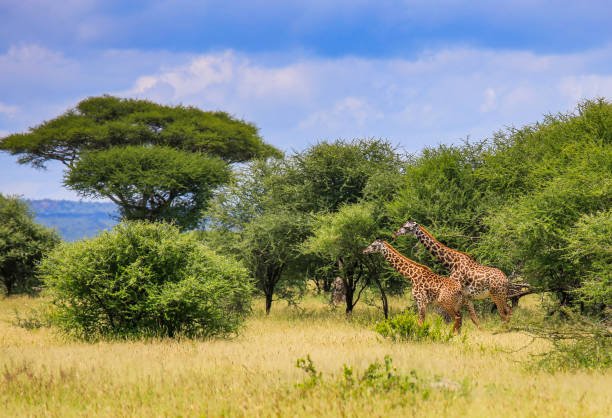
A Serengeti Safari with Lake Manyara combines two very different northern Tanzania environments in one wildlife itinerary. Lake Manyara offers lush forest, Rift Valley scenery, wetlands, an alkaline lake and varied wildlife, while Serengeti opens into much larger savannah landscapes famous for predators, grazing herds and seasonal migration movements.
This combination is particularly useful for travellers who want variety rather than spending their entire safari in one type of landscape. A Lake Manyara game drive can include elephants, baboons, giraffes, buffalo, hippos and extensive birdlife before the journey continues toward Serengeti National Park.
In Serengeti, the focus expands to open plains, kopjes, woodland, predators and large herbivore populations. Lions, cheetahs, leopards, hyenas, wildebeest, zebras and gazelles are all part of the wider ecosystem, although wildlife remains free ranging and individual sightings cannot be guaranteed.
The safari can begin from Moshi or Arusha and can be organised as a private trip or as a group joining departure where suitable scheduled availability exists.
Serengeti and Lake Manyara Safari at a Glance
- Destinations: Lake Manyara National Park and Serengeti National Park
- Starting points: Moshi or Arusha
- Suggested duration: 3 to 5 days or longer
- Safari vehicle: 4x4 with wildlife viewing roof
- Lake Manyara highlights: Forest, elephants, primates, lake scenery, birds and Rift Valley landscapes
- Serengeti highlights: Predators, plains wildlife, kopjes and seasonal migration activity
- Accommodation: Camping, tented camps or lodges
- Wildlife sightings: Natural and never guaranteed
Why Combine Serengeti and Lake Manyara?
The strongest reason to combine these parks is contrast.
Lake Manyara can move from dense groundwater forest to open floodplains and lakeshore habitats within a relatively compact game drive.
Serengeti operates on a much larger scale, with broad plains, distant horizons, rocky kopjes, woodland and major populations of grazing animals and predators.
Experiencing both parks provides a more complete picture of northern Tanzania's ecological diversity.
Two Different Wildlife Landscapes
- Lake Manyara: Groundwater forest, soda lake, wetlands, Rift Valley escarpment and acacia woodland.
- Serengeti: Open plains, kopjes, woodland, rivers and extensive savannah.
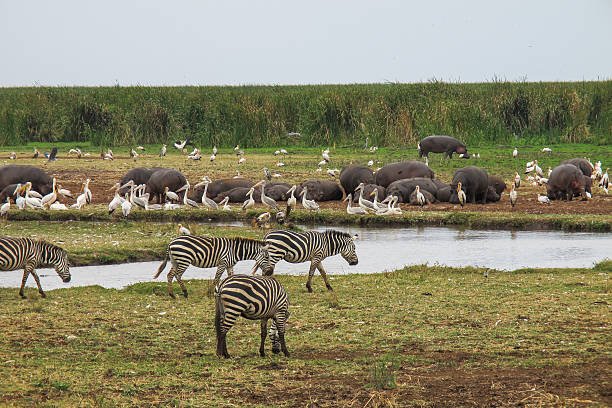
- Manyara wildlife: Elephants, hippos, primates, giraffes, buffalo and seasonal bird concentrations.
- Serengeti wildlife: Lions, cheetahs, leopards, hyenas, wildebeest, zebras, gazelles and many additional species.
Lake Manyara National Park Safari
Lake Manyara provides a visually distinctive start or finish to a northern Tanzania safari.
The entrance area is known for lush groundwater forest where primates and other wildlife can sometimes be encountered among tall trees and dense vegetation.
As the game drive continues, the landscape opens into woodland, floodplain, wetlands and views toward the alkaline lake.
The Great Rift Valley escarpment rises behind the park and creates a dramatic natural backdrop throughout much of the safari.
Elephants in Lake Manyara
Elephants are an important part of Lake Manyara's wildlife experience.
They may be encountered moving through forest, woodland or more open sections of the park.
Every encounter should remain respectful, with the vehicle maintaining an appropriate distance and allowing animals to choose their own direction of movement.
Tree Climbing Lions
Lake Manyara has long been associated with lions resting in trees.
This behaviour contributes to the park's international reputation, but visitors should not expect that every safari will find lions in branches.
Lions are wild animals that move freely through their habitat, and sightings depend on their location and behaviour at the time of your visit.
Flamingos and Waterbirds
The alkaline lake can support flamingos and many other waterbirds when ecological conditions are suitable.
Flamingo numbers vary considerably, so they should be treated as a seasonal opportunity rather than a guaranteed attraction.
Pelicans, storks, herons, fish eagles and many additional bird species can contribute to Lake Manyara's strong birding experience.
Baboons and Blue Monkeys
The forested sections of Lake Manyara create opportunities to observe primates.
Baboons are frequently associated with the park's woodland and forest habitats, while blue monkeys can also occur in the groundwater forest.
Never feed monkeys or baboons and keep food secured when stopping at designated picnic areas.
Hippos and Wetland Wildlife
Lake Manyara's wetland habitats can support hippos and numerous aquatic birds.
Visitors should remain at approved viewing areas and maintain a safe distance.
Hippos may look inactive while resting in water, but they are powerful wild animals and should never be approached.
Serengeti National Park Safari
After Lake Manyara, the safari continues toward Serengeti National Park.
The transition into Serengeti introduces a much larger landscape where wildlife can be distributed across open grassland, woodland and rocky areas.
The park supports an extraordinary variety of mammals, birds and predators, making additional game drive time valuable.
Serengeti Predators
Lions are among the Serengeti's most recognised predators.
Cheetahs, leopards and hyenas are also part of the ecosystem.
Your driver guide searches appropriate habitats while using knowledge of animal behaviour and recent wildlife information.
No predator species should be guaranteed because animals may be hidden, resting or travelling beyond the area visited that day.
Serengeti Plains Wildlife
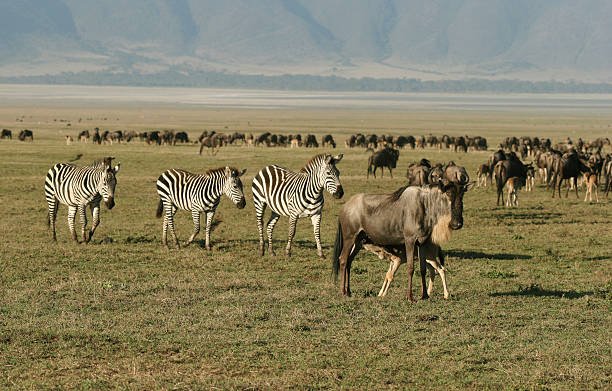
Wildebeest, zebras and gazelles are among the classic grazing animals of the Serengeti ecosystem.
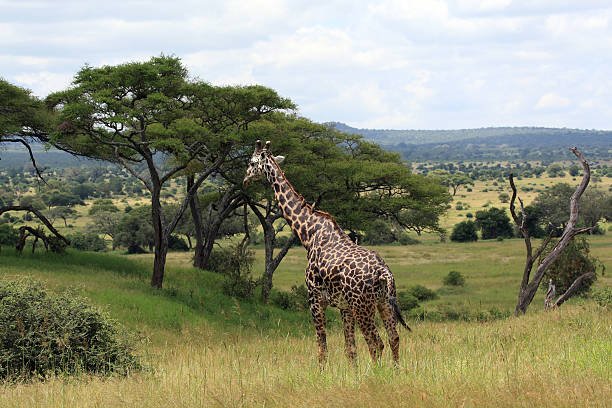
Giraffes, elephants, buffalo, warthogs and many other animals can also be encountered depending on the region explored.
The exact composition of wildlife changes with habitat, rainfall and seasonal movement.
Great Migration Experience
The Great Migration is not a single event taking place at one permanent location.
Large herds move through different parts of the Serengeti ecosystem throughout the year as rainfall and fresh grazing change.
If migration viewing is an important objective, the safari region should be planned according to the month of travel.
Even with good seasonal planning, exact herd locations and wildlife events remain natural and cannot be guaranteed.
Migration Planning Principles
- Choose the Serengeti region according to travel season.
- Allow enough game drive time for changing herd locations.
- Treat seasonal patterns as guidance rather than guarantees.
- Do not promise river crossings.
- Do not guarantee predator hunts or specific wildlife behaviour.
Central Serengeti
Central Serengeti is commonly included in northern Tanzania safari itineraries because of its varied habitats and year round resident wildlife.
Rocky kopjes, grasslands and riverine areas provide different wildlife viewing opportunities within the same broader region.
Spending more than one game drive in Serengeti allows the guide to explore different sectors rather than rushing through the park.
Example 4 Day Serengeti Safari with Lake Manyara
A four day itinerary provides a practical combination of Lake Manyara and meaningful Serengeti game drive time.
Typical 4 Day Safari Schedule
- Day 1: Moshi or Arusha to Lake Manyara National Park for game drive and overnight near Mto wa Mbu or Karatu.
- Day 2: Travel toward Serengeti National Park with afternoon game drive.
- Day 3: Extended Serengeti wildlife viewing.
- Day 4: Morning Serengeti game drive and return journey toward Arusha or Moshi.
Day 1: Moshi or Arusha to Lake Manyara
Meet your professional safari driver guide and depart toward Lake Manyara National Park.
After completing park entry procedures, begin exploring the groundwater forest and continue through the park's changing habitats.
Look for elephants, primates, giraffes, buffalo, zebras and birdlife as the safari moves toward the floodplain and lakeshore areas.
Seasonal conditions determine water levels, vegetation and where animals are concentrated.
After the game drive, continue to the confirmed accommodation near Mto wa Mbu, Karatu or another location specified in your package.
Day 2: Lake Manyara Area to Serengeti
After breakfast, begin the road journey toward Serengeti National Park.
The drive travels through changing northern Tanzania landscapes before reaching the Serengeti ecosystem.
Once inside the park, wildlife viewing begins as you travel toward the selected overnight area.
Depending on arrival time, the afternoon can provide opportunities for plains wildlife, giraffes, predators and the first views across the Serengeti.
Day 3: Full Serengeti Game Drive
Spend the day exploring Serengeti with the itinerary remaining flexible according to wildlife movement.
The driver guide selects game drive areas based on conditions and information available during the safari.
Possible wildlife includes lions, cheetahs, leopards, hyenas, wildebeest, zebras, giraffes, buffalo, elephants and gazelles.
Lunch is arranged according to the package, allowing the safari to maximise time inside the park.
Day 4: Serengeti to Arusha or Moshi
Begin with an early wildlife viewing opportunity where timing allows.
Afterward, start the return journey toward Arusha or Moshi.
This can be a relatively long road day, so travellers with additional time may prefer adding Ngorongoro or another overnight rather than returning immediately.
3 Day Serengeti and Lake Manyara Safari
A 3 day itinerary is possible for travellers with limited time.
A common approach is to visit Lake Manyara on the first day, travel to Serengeti on the second day and begin the return after additional wildlife viewing on the third.
This schedule is relatively fast paced and involves significant driving.
Travellers whose priority is Serengeti wildlife viewing may find four or more days more comfortable.
5 Day Serengeti and Lake Manyara Safari
A 5 day itinerary provides greater flexibility and can include additional Serengeti time or another northern circuit destination.
For example, travellers can combine Lake Manyara with multiple Serengeti game drives and then include Ngorongoro before returning toward Arusha or Moshi.
This reduces the pressure to cover long distances every day.
Adding Ngorongoro Crater
Ngorongoro can be added between Serengeti and the return journey.
This creates a classic northern circuit combination involving Lake Manyara, Serengeti and Ngorongoro.
The additional destination requires extra park fees, accommodation and travel time, so it should be clearly included in the confirmed safari quotation.
Adding Tarangire National Park
Tarangire can also be added to create a longer northern Tanzania circuit.
Its elephant populations, baobab landscapes and riverine environment create another contrast with Lake Manyara and Serengeti.
A four park itinerary should include enough days to avoid spending most of the safari simply travelling between destinations.
Mto wa Mbu Cultural Experience
Lake Manyara is close to Mto wa Mbu, allowing a cultural activity to be added where the itinerary provides enough time.
Experiences can focus on local farming, food, markets, artisans and community life according to the specific activity selected.
Cultural visits should be organised respectfully and should not be presented as staged representations of an entire community.
Safari Vehicle
The safari is normally conducted in a 4x4 vehicle suitable for Tanzania's northern circuit roads.
A pop up roof provides elevated wildlife viewing while keeping guests inside the vehicle.
Typical Safari Vehicle Experience
- 4x4 safari vehicle
- Pop up wildlife viewing roof
- Window access for photography
- Professional driver guide
- Space for personal day luggage
- Game viewing from approved park roads
Private Serengeti and Lake Manyara Safari
A private safari means the vehicle and driver guide are reserved for your own party.
This gives more flexibility with game drive pacing, photography stops and daily departure times within park regulations and the confirmed itinerary.
Private safaris can be arranged for solo travellers, couples, families and groups of friends.
Group Joining Safari
Group joining safaris can reduce the cost per traveller by sharing vehicle and expedition expenses.
Participants follow the agreed group itinerary and accommodation schedule.
Before booking, confirm group size, accommodation category, luggage arrangement and the number of travellers sharing the safari vehicle.
Camping Accommodation
Camping provides a more economical and adventurous safari style.
It can be especially suitable for travellers who prioritise wildlife viewing over luxury accommodation.
Public campsite arrangements remain supported by the safari crew and should include the camping logistics stated in your package.
Tented Camps
Tented camps provide a safari atmosphere while offering more established facilities than basic public camping.
Standards vary widely, so always confirm the exact camp rather than assuming every tented property offers the same comfort level.
Lodge Safari
Lodges can provide private rooms, bathrooms, established dining areas and additional services.
Accommodation standard has a significant effect on the total safari price, particularly inside Serengeti.
Meals during the Safari
Multi day safari packages commonly include meals according to the confirmed accommodation plan.
Breakfast and dinner may be served at the lodge or camp, while lunch can be carried for a full day of wildlife viewing.
Vegetarian and other dietary requirements should be communicated before departure.
Possible Wildlife
Wildlife You May Encounter
- Lions
- Cheetahs
- Leopards
- Hyenas
- Elephants
- Buffalo
- Giraffes
- Wildebeest
- Zebras
- Gazelles
- Hippos
- Baboons
- Blue monkeys
- Many species of birds
These species occur within the wider parks and ecosystems. The list should not be interpreted as a guarantee that every animal will be observed during one safari.
Can We See the Big Five?
Some Big Five species occur within the Serengeti ecosystem and wider northern Tanzania circuit.
However, a Serengeti and Lake Manyara safari should not be presented as a guaranteed Big Five checklist.
Wildlife is free ranging, and the quality of a safari is better measured by the natural encounters available on the day than by promising specific species.
Can We See Flamingos?
Flamingos can occur on Lake Manyara when lake conditions provide suitable feeding habitat.
Their abundance varies considerably by season and environmental conditions.
For that reason, flamingo viewing should always be treated as a possibility rather than a guaranteed feature of every visit.
Can We See Tree Climbing Lions?
Lake Manyara is famous for observations of lions resting in trees.
However, finding this behaviour requires the animals to be present and visible at the right time.
A guide can search appropriate areas but cannot guarantee that lions will be seen in trees.
Can We See the Great Migration?
Migration viewing depends on the time of year and the location of the herds.
If the Great Migration is your main priority, provide your travel month when requesting the safari so the Serengeti portion can be designed around typical seasonal movement.
Exact migration locations remain influenced by rainfall and grazing conditions.
Can We See a River Crossing?
No river crossing can be guaranteed.
Even when wildebeest are gathered near a river during a suitable migration period, animals can wait for hours or days before crossing or move to another area.
Responsible planning therefore focuses on being in an appropriate migration region rather than promising one specific event.
Wildlife Photography
This safari provides diverse photography environments.
Lake Manyara can provide forest, elephant, primate, lake and bird photography, while Serengeti offers wide landscapes, predators, kopjes and herd scenes.
Bring sufficient memory cards, batteries and protection against dust.
Responsible Safari Viewing
- Follow the driver guide's instructions.
- Stay inside the vehicle except at authorised areas.
- Never feed wildlife.
- Do not block animals for photographs.
- Do not pressure wildlife into changing direction.
- Keep noise controlled near animals and bird areas.
- Follow designated roads and park regulations.
- Dispose of rubbish responsibly.
Safari after Kilimanjaro
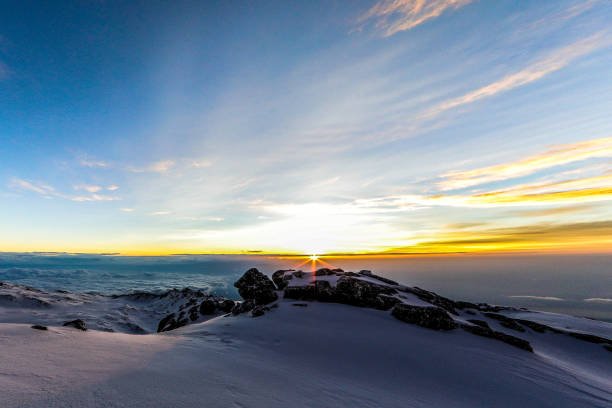
A Serengeti and Lake Manyara safari can be arranged after climbing Mount Kilimanjaro.
After descending and returning to Moshi, travellers can rest before beginning the safari according to their schedule.
This combination allows one Tanzania journey to include mountain trekking, Rift Valley scenery and Serengeti wildlife.
Safari and Zanzibar Combination
Zanzibar can be added after the safari.
Depending on the final safari location and travel schedule, a domestic flight can be arranged to reduce unnecessary road travel.
International departure dates should be considered when planning the complete safari and beach itinerary.
Typical Safari Inclusions
- Professional Tanzania safari driver guide
- Safari 4x4 according to package
- Lake Manyara game drive
- Serengeti game drives
- Applicable park fees stated in your quotation
- Accommodation according to selected category
- Meals according to the itinerary
- Drinking water arrangements according to package
- Road transfers listed in the itinerary
Typical Safari Exclusions
- International flights
- Tanzania visa where required
- Travel insurance
- Alcoholic and specialty drinks unless included
- Optional Serengeti balloon safari unless booked
- Personal expenses
- Tips and gratuities
- Additional accommodation not stated in the itinerary
- Ngorongoro or Tarangire unless specifically included
- Optional cultural activities unless listed
Frequently Asked Questions
Can Serengeti and Lake Manyara be combined?
Yes. They fit naturally into Tanzania's northern safari circuit and can be combined in one road safari from Moshi or Arusha.
How many days should I book?
Three days is possible but fast paced. Four or five days normally provides more time for Serengeti wildlife viewing and a more comfortable schedule.
Can the safari start in Moshi?
Yes. Pickup and return arrangements can be organised from Moshi according to the confirmed itinerary.
Can the safari start in Arusha?
Yes. Arusha is another convenient base for Lake Manyara and Serengeti safaris.
What is Lake Manyara famous for?
Lake Manyara is known for its groundwater forest, Rift Valley setting, elephants, primates, diverse birdlife, alkaline lake and famous tree climbing lion observations.
Can we see flamingos?
Flamingos can occur in significant numbers when lake conditions are suitable, but their presence and abundance are seasonal and cannot be guaranteed.
Can we see tree climbing lions?
The park is well known for this behaviour, but finding lions resting in trees depends entirely on natural wildlife movement and cannot be promised.
Can we see elephants?
Elephants occur in Lake Manyara and Serengeti, but their exact location varies naturally.
Can we see lions in Serengeti?
Lions are an important Serengeti predator, but individual sightings cannot be guaranteed on any specific game drive.
Can we see cheetahs and leopards?
Both species occur in the Serengeti ecosystem, but sightings depend on natural animal movement, habitat and conditions.
Is the Great Migration guaranteed?
No. The migration moves seasonally through the wider ecosystem and exact herd locations depend on rainfall, grazing and water availability.
Can river crossings be guaranteed?
No. River crossings are natural wildlife events and cannot be guaranteed even during periods when migration herds are present in northern Serengeti.
Can I see the Big Five?
Several Big Five species occur in the wider northern Tanzania safari ecosystem, but a complete Big Five sighting should never be guaranteed.
Is a private safari available?
Yes. A private safari vehicle and driver guide can be arranged for solo travellers, couples, families and groups.
Can I join a group safari?
Yes. Group joining departures can be offered according to scheduled availability and the itinerary selected.
Can I choose camping accommodation?
Yes. Camping can be arranged for travellers seeking a more budget conscious and adventurous safari style.
Can I choose lodges or tented camps?
Yes. Mid range and higher comfort lodge or tented camp options can be selected according to your budget and preferences.
Are meals included?
Meals are commonly included according to the confirmed multi day safari package and accommodation plan.
Can vegetarian meals be arranged?
Yes. Vegetarian and other dietary requirements should be communicated before the safari.
Can Ngorongoro be added?
Yes. Ngorongoro can be added to create a longer Lake Manyara, Serengeti and Ngorongoro northern circuit itinerary.
Can Tarangire be added?
Yes. Tarangire can be included when enough travel days are available to keep the itinerary comfortable.
Can I add Mto wa Mbu culture?
Yes. A locally arranged cultural experience around Mto wa Mbu can be added when the schedule allows sufficient time.
Can this safari follow a Kilimanjaro climb?
Yes. The safari can begin after returning from Kilimanjaro, with a recovery night in Moshi arranged where appropriate.
Can I continue to Zanzibar?
Yes. Zanzibar can be added after the safari using appropriate road and domestic flight arrangements.
Is this suitable for families?
Yes. Private itineraries can be adjusted for families by selecting appropriate daily driving times, accommodation and trip duration.
When is the best time for this safari?
Both destinations can be visited throughout the year. The preferred period depends on whether your priority is general wildlife, migration regions, greener landscapes, birdlife or seasonal lake conditions.
How do I book a Serengeti Safari with Lake Manyara?
Send your travel dates, number of travellers, preferred safari duration and accommodation category. The itinerary can then be arranged from Moshi or Arusha with optional Ngorongoro, Tarangire, Mto wa Mbu, Kilimanjaro and Zanzibar extensions.
Plan Your Serengeti and Lake Manyara Safari
Combine Lake Manyara's Rift Valley forest, lake scenery and wildlife with extended Serengeti game drives across Tanzania's famous plains in a safari designed around your dates, budget and accommodation preference.
Request Your Tanzania Safari

 Serengeti Safari