Rongai vs Machame Kilimanjaro
The Rongai vs Machame Kilimanjaro comparison brings together two very different approaches to Africa's highest mountain.
Rongai begins on the northern side of Mount Kilimanjaro near the Kenya border and provides a quieter approach through relatively remote terrain.
Machame begins from southern Kilimanjaro and follows a more varied route through rainforest, Shira, Lava Tower, Barranco and Karanga.
Both are camping routes and can be completed using different itinerary lengths, although seven days provides an important longer option for either route.
Your decision should consider acclimatisation, scenery, trail traffic, daily terrain, summit approach, travel time and total package cost.
Rongai vs Machame at a Glance
- Rongai approach: Northern Kilimanjaro
- Machame approach: Southern Kilimanjaro
- Common duration: 6 or 7 days
- Accommodation: Camping on both routes during the ascent
- Rongai highlight: Mawenzi and quieter northern terrain
- Machame highlight: Shira, Lava Tower and Barranco Wall
- Rongai summit preparation: Kibo side
- Machame summit preparation: Barafu
- Rongai descent: Marangu side
- Machame descent: Mweka side
What Is the Main Difference Between Rongai and Machame?
The largest difference is the side of Kilimanjaro used during the ascent.
Rongai begins from the remote northern side and progresses toward Mawenzi before crossing toward Kibo.
Machame begins from the south and reaches the Shira Plateau before travelling along Kilimanjaro's southern circuit.
The routes therefore provide different landscapes, different camp sequences and different summit preparation areas.
Major Route Differences
- Rongai approaches from the north
- Machame approaches from the south
- Rongai generally has quieter ascent sections
- Machame generally has more trail traffic
- Rongai features Mawenzi scenery
- Machame includes Barranco Wall on standard itineraries
- Rongai does not normally include Lava Tower
- Machame normally includes Lava Tower
- Rongai descends through Marangu
- Machame descends through Mweka
Rongai Route Overview
Rongai is the main Kilimanjaro route approaching from the northern side near the Kenya border.
The trail begins through relatively remote terrain before gradually moving into higher and drier mountain landscapes.
Standard longer itineraries progress through areas such as Simba Camp, Second Cave and Kikelewa before reaching the Mawenzi area.
The route later crosses toward Kibo for summit preparation.
After the summit, climbers descend toward Horombo and leave the mountain through Marangu Gate.
Typical 7 Day Rongai Itinerary
- Day 1: Rongai trailhead to Simba Camp
- Day 2: Simba Camp to Second Cave
- Day 3: Second Cave to Kikelewa Camp
- Day 4: Kikelewa to Mawenzi area
- Day 5: Mawenzi area to Kibo
- Day 6: Kibo to summit and descend toward Horombo
- Day 7: Horombo to Marangu Gate and return to Moshi
Machame Route Overview
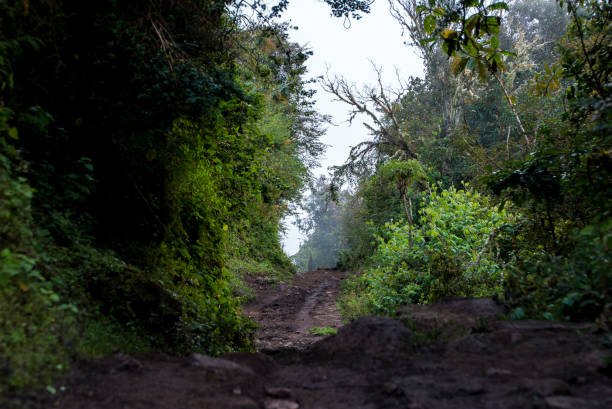
Machame begins from the southern side of Kilimanjaro and immediately enters dense rainforest.
The route climbs toward the Shira area before continuing to Lava Tower.
From Lava Tower, climbers descend toward Barranco and later cross Barranco Wall before reaching Karanga.
The route then progresses toward Barafu for summit preparation.
After the summit, descent is normally completed through Mweka.
Typical 7 Day Machame Itinerary
- Day 1: Machame Gate to Machame Camp
- Day 2: Machame Camp to Shira Camp
- Day 3: Shira via Lava Tower to Barranco
- Day 4: Barranco to Karanga
- Day 5: Karanga to Barafu
- Day 6: Summit and descend to Mweka
- Day 7: Mweka Gate and return to Moshi
7 Day Rongai vs 7 Day Machame
Comparing seven day versions is useful because both routes then provide the same overall number of mountain days.
The main difference becomes how those days are distributed across the mountain.
Rongai follows a northern progression with time around Mawenzi before crossing toward Kibo.
Machame follows the southern circuit and includes the Lava Tower high altitude stage before descending toward Barranco.
Both provide more acclimatisation time than their shorter six day variations.
7 Day Route Comparison
- Rongai: Northern approach
- Machame: Southern approach
- Rongai: Mawenzi area acclimatisation
- Machame: Lava Tower altitude exposure
- Rongai: Generally quieter ascent
- Machame: More varied southern scenery
- Both: Camping based ascent
- Both: Non technical standard trekking routes
Rongai vs Machame for Acclimatisation
Both routes can provide useful acclimatisation opportunities when completed over seven days.
Machame uses a pronounced climb high and sleep lower pattern around Lava Tower and Barranco.
Rongai follows a more gradual northern progression and longer versions can include additional time around Mawenzi before moving to Kibo.
The two routes therefore approach altitude adaptation differently.
Individual altitude response remains unpredictable regardless of which route is selected.
Lava Tower vs Mawenzi Acclimatisation
Lava Tower is one of Machame's key high altitude stages.
Climbers trek higher during the day before descending to sleep at Barranco.
Rongai does not normally use Lava Tower.
Instead, its longer itinerary can include additional trekking and acclimatisation time around Mawenzi before progressing toward Kibo.
Both itinerary structures aim to prepare climbers for progressively higher elevations before summit day.
Rongai vs Machame Scenery
Machame generally offers greater variety of terrain throughout the route.
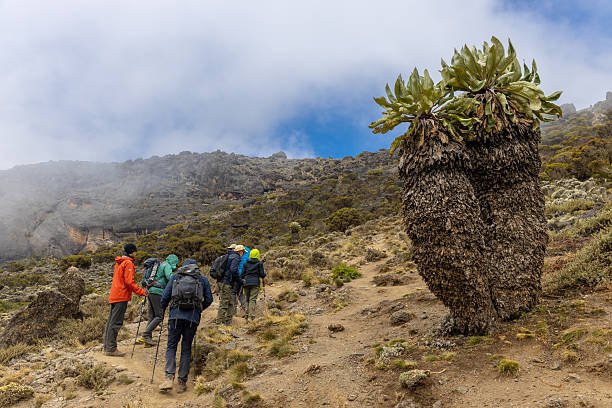
Its landscapes change from dense rainforest to Shira, volcanic terrain around Lava Tower, Barranco Valley, Karanga and the barren upper mountain.
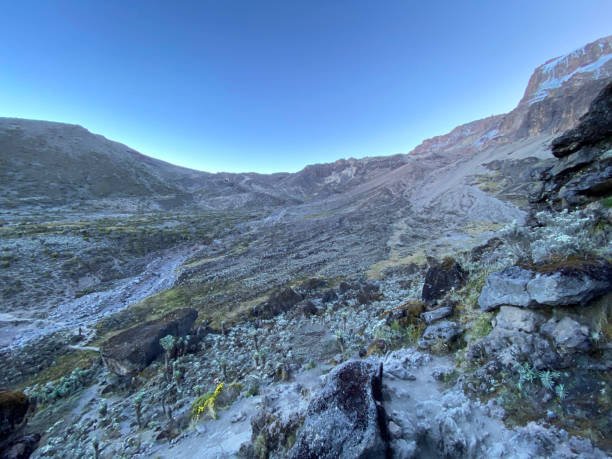
Rongai provides a different experience with remote northern landscapes and particularly strong views around Mawenzi.
Travellers seeking landscape variety can consider Machame, while those attracted to quieter wilderness and Mawenzi scenery may prefer Rongai.
Scenic Highlights
- Rongai: Remote northern slopes
- Rongai: Mawenzi Peak scenery
- Rongai: High alpine crossing toward Kibo
- Machame: Southern rainforest
- Machame: Shira landscape
- Machame: Lava Tower
- Machame: Barranco Wall
- Machame: Karanga Valley
Mawenzi on the Rongai Route
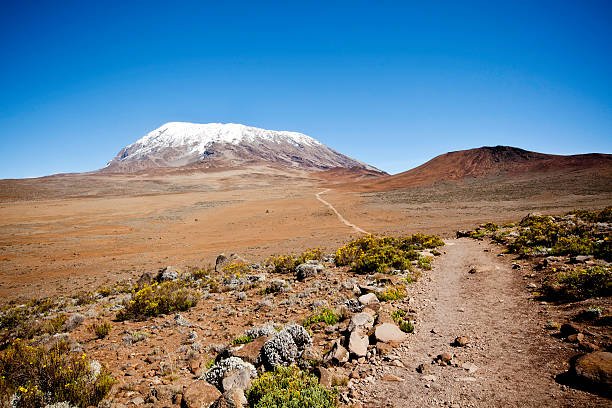
Mawenzi is one of the defining scenic features of the Rongai Route.
Its rugged peaks create a striking contrast with the broad volcanic form of Kibo.
Longer Rongai itineraries allow climbers to spend additional time around the Mawenzi area before crossing high terrain toward Kibo.
Travellers who specifically want close mountain views of Mawenzi can therefore find Rongai particularly attractive.
Barranco Wall on Machame
Machame normally includes Barranco Wall after the Lava Tower and Barranco stage.
The wall looks steep from camp but follows an established trekking route.
Climbers may use their hands for balance during some sections, but technical rock climbing equipment is not normally required.
Rongai does not normally include Barranco Wall.
Which Route Is Quieter?
Rongai generally provides quieter trekking during much of the ascent.
The northern trail receives fewer climbers than the popular southern Machame Route.
Machame can become busy, particularly after groups converge around the southern circuit and during popular climbing periods.
Actual trail traffic still varies by season and departure date, so neither route should be described as guaranteed private or empty.
Which Route Is More Scenic?
Scenery is subjective.
Machame provides greater variety across rainforest, Shira, Lava Tower, Barranco and the southern slopes.
Rongai offers quieter wilderness and dramatic Mawenzi scenery.
A traveller interested in changing ecosystems may prefer the Machame landscape, while someone interested in the northern side and Mawenzi may prefer Rongai.
Which Route Is More Difficult?
Machame contains steeper and more undulating sections, including Barranco Wall.
Rongai generally follows a more gradual ascent profile during much of its northern approach.
However, the final summit stage is demanding on both routes.
The physical feel of a trail should also be separated from altitude difficulty, because even a gentler gradient can become challenging at high elevation.
Difficulty Comparison
- Rongai: Generally more gradual ascent terrain
- Machame: More elevation gain and loss between some camps
- Machame: Includes Barranco Wall
- Both: High altitude trekking
- Both: Long summit stage
- Both: Require physical preparation
Rongai vs Machame Success Rate
Published summit success figures should be treated as estimates because they vary by operator, itinerary duration and climber population.
Seven day versions of Rongai and Machame provide additional acclimatisation time compared with six day variations.
Machame provides climb high and sleep lower opportunities along the southern circuit, while Rongai provides a gradual northern progression.
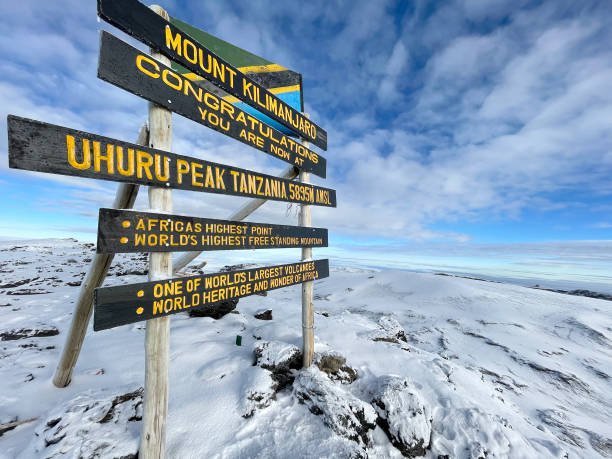
No route can guarantee that an individual climber will reach Uhuru Peak.
Rongai vs Machame for First Time Climbers
Both routes can be considered by properly prepared first time climbers.
Rongai can appeal to those who prefer gentler terrain during much of the ascent and quieter trails.
Seven day Machame can suit first time climbers who want varied scenery and are comfortable with steeper trekking sections.
Whichever route is selected, sufficient mountain days and careful altitude management remain important.
Which Route Is Better for Climbers Worried About Barranco Wall?
Travellers who specifically want to avoid Barranco Wall may prefer Rongai.
The Rongai itinerary follows an entirely different side of Kilimanjaro and does not normally use the Barranco section.
However, avoiding Barranco Wall does not remove the physical demands of summit night.
Which Route Is Better During Wetter Conditions?
The northern side of Kilimanjaro can sometimes receive different rainfall patterns from the southern slopes.
Rongai is therefore often considered by travellers climbing during wetter periods.
Mountain weather remains variable, and rain or cloud can still occur on either route.
Waterproof clothing and appropriate equipment are required regardless of route choice.
Camping on Rongai and Machame
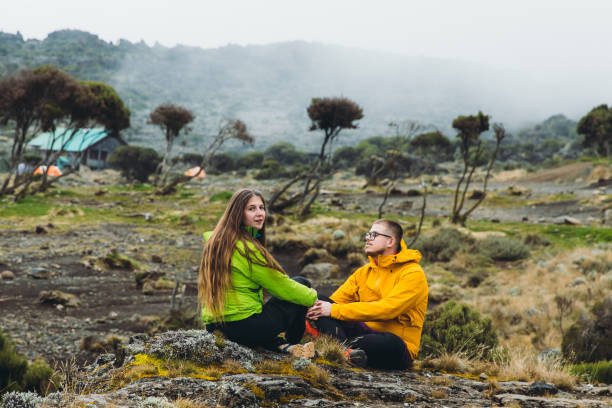
Both routes use camping arrangements during the ascent.
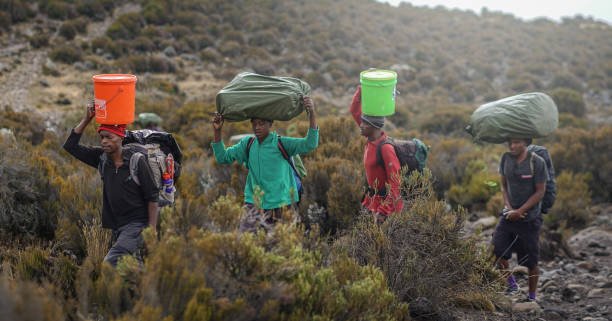
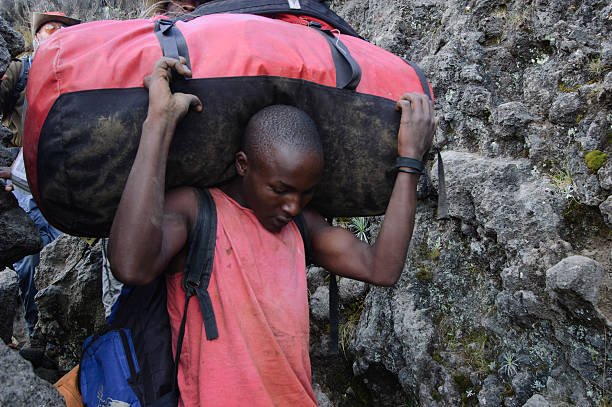
The mountain crew transports tents, group equipment and food between camps.
Climbers normally carry a daypack containing water, clothing and personal items needed during the day's trek.
A warm sleeping bag remains necessary on both routes.
Single Tent Option
A single sleeping tent can be requested on either route where available.
This can suit solo travellers or guests wanting additional privacy.
Additional cost may apply because another tent must be transported between camps.
Private Portable Toilet
A private portable toilet can be added to selected Rongai and Machame camping packages.
The equipment requires porter transportation throughout the mountain itinerary.
It may therefore be included in selected packages or offered as an optional additional service.
Rongai Summit Approach
Rongai progresses toward the Kibo side before the summit attempt.
The final ascent begins from the high summit preparation area and continues toward the crater rim.
After visiting Uhuru Peak when conditions and health permit, climbers descend toward Horombo.
Machame Summit Approach
Machame normally reaches Barafu before summit day.
The final ascent proceeds toward the crater rim and Uhuru Peak according to the guide's summit plan.
After the summit stage, climbers descend toward Mweka rather than returning through the ascent route.
Kibo vs Barafu Summit Camp
The different summit camps create distinct final preparation experiences.
Rongai uses the Kibo side, while Machame uses Barafu in its standard itinerary.
At either location, climbers organise warm clothing, water, headlamps and summit equipment before resting.
Summit timing should be determined by the guide according to the itinerary, health and mountain conditions.
Rongai vs Machame Price
Prices depend on the number of mountain days, group size and included services.
When both routes are operated over seven days, mountain duration is similar, but transportation logistics differ.
Rongai requires access to the northern trailhead, which can involve a longer vehicle transfer.
Machame Gate is more directly accessible from the Moshi area.
Exact prices should therefore be compared using complete quotations rather than assuming that equal route duration creates identical package costs.
Why Rongai Pricing Can Differ
Rongai Cost Factors
- Northern trailhead transportation
- 6 day or 7 day itinerary
- Number of climbers
- Guide and crew requirements
- Mountain meals
- Camping logistics
- Private or group joining arrangement
- Hotels and airport transfers where included
Private Rongai vs Private Machame
Both routes can be organised privately for individuals, couples, families and groups.
A private Rongai climb can be attractive for travellers seeking a quieter northern expedition.
A private Machame climb provides dedicated logistics while still using established camps that may contain other expeditions.
Private travel does not mean private ownership of the mountain trail or camps.
Group Joining Rongai vs Machame
Machame often has stronger scheduled group departure availability because it is one of Kilimanjaro's most frequently used routes.
Rongai group joining departures can also be organised on selected dates.
Solo travellers should compare available group dates, exact route duration and number of confirmed participants before making a final decision.
Which Route Is Better for Solo Travellers?
Both can work for solo travellers.
Machame can be convenient when frequent group joining availability is important.
Rongai can appeal to solo travellers specifically looking for a quieter route and who find a suitable scheduled departure.
A private climb is also possible on either route.
Which Route Is Better for Couples?
Couples can choose either private or group joining arrangements.
Rongai can provide a quieter northern trekking experience.
Machame can provide greater scenery variation and the experience of Barranco Wall.
The appropriate choice depends on travel time, preferences and budget.
Guide and Crew Support
Both routes require professional mountain guides and expedition support.
Porters carry tents, food and group equipment between camps.
The lead guide manages the daily pace, route, health observations and summit decisions.
Assistant guides can be assigned according to group size.
Mountain Support Can Include
- Lead Kilimanjaro guide
- Assistant guides according to group size
- Porters
- Mountain cook
- Camping support
- Daily briefings
- Health monitoring
- Summit support
Altitude Monitoring
Altitude affects climbers differently regardless of route.
Headaches, nausea, dizziness, unusual fatigue, confusion or breathing difficulty should be reported to the guide promptly.
Fitness improves walking endurance but does not guarantee resistance to altitude illness.
Safe descent should remain more important than protecting a summit target.
Training Requirements
Both routes require sufficient fitness for consecutive trekking days and a demanding summit stage.
Machame includes more pronounced elevation changes and steep sections.
Rongai may feel more gradual during parts of the ascent but still requires endurance at high altitude.
Prepare for Either Route With
- Regular hiking
- Long endurance walks
- Hill training
- Stair training
- Leg strengthening
- Core training
- Walking with a daypack
- Consecutive hiking days
Equipment Requirements
Equipment requirements are broadly similar because both routes use camping and reach the same extreme summit elevation.
Climbers need suitable boots, layered clothing, waterproof outerwear, warm summit equipment, a sleeping bag and a comfortable daypack.
Selected equipment can be rented in Moshi where available.
Typical Package Inclusions
- Professional Kilimanjaro guides
- Assistant guides according to group size
- Porter support
- Mountain cook
- Mountain meals
- Camping equipment where included
- Park and mountain arrangements listed in the package
- Trailhead transport where included
- Return transfer to Moshi where included
- Pre climb briefing
- Equipment inspection
Typical Package Exclusions
- International flights
- Tanzania visa
- Travel and evacuation insurance
- Personal trekking equipment
- Rental equipment unless included
- Additional hotel nights
- Airport transfers where excluded
- Private portable toilet unless included
- Single tent supplement where applicable
- Crew tips
- Personal expenses
- Safari or Zanzibar unless added separately
Moshi Logistics
Both routes can be organised from Moshi, although their trailheads require different transfer arrangements.
Machame Gate is reached on the southern side of the mountain.
Rongai requires transportation around toward northern Kilimanjaro before starting the trek.
A pre climb night in Moshi provides time for briefing, equipment inspection and preparation.
Airport Transfers
Kilimanjaro International Airport transfers can be included within selected packages or arranged separately.
When comparing Rongai and Machame prices, confirm whether arrival and departure transportation and Moshi hotel nights are included.
Rongai or Machame with Safari
Either route can be followed by a Tanzania safari.
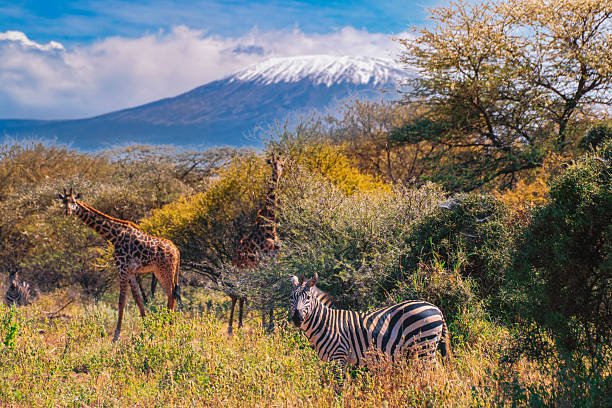
After completing Kilimanjaro, travellers can continue into the northern safari circuit.
Popular Safari Extensions
- Tarangire National Park
- Lake Manyara National Park
- Ngorongoro Crater
- Serengeti National Park
- Private safari
- Group joining safari
Rongai or Machame with Zanzibar
Zanzibar can be added after either Kilimanjaro route or after a combined climb and safari program.
The beach extension can provide recovery time after the mountain expedition.
How to Choose Between Rongai and Machame
Consider Rongai if you are particularly interested in quieter northern terrain, Mawenzi scenery and a more gradual approach during much of the ascent.
Consider Machame if you want greater landscape variety, Lava Tower, Barranco Wall and the classic southern circuit.
For either route, selecting the seven day itinerary where possible provides additional mountain time compared with shorter variations.
Rongai vs Machame Selection Checklist
- Do you prefer northern or southern Kilimanjaro?
- Are quieter trails important?
- Do you want Mawenzi scenery?
- Do you want Barranco Wall?
- Is Lava Tower important?
- Do you prefer more gradual or more varied terrain?
- Can you allow 7 mountain days?
- Do you want private or group joining?
- What is your complete Kilimanjaro budget?
Frequently Asked Questions
What is the main difference between Rongai and Machame?
Rongai approaches Kilimanjaro from the north and provides a quieter ascent, while Machame approaches from the south and follows the scenic southern circuit.
Which route is quieter?
Rongai generally has lower trail traffic during much of its ascent. Machame is one of the more frequently travelled Kilimanjaro routes.
Which route is more scenic?
Machame provides greater landscape variety through Shira, Lava Tower, Barranco and Karanga. Rongai offers remote northern scenery and particularly attractive Mawenzi views.
Which route is better for acclimatisation?
Both seven day itineraries provide acclimatisation opportunities. Machame uses Lava Tower and a climb high, sleep lower profile, while Rongai uses a gradual northern progression with additional time around Mawenzi.
Which route is easier?
Rongai generally has a more gradual ascent profile, while Machame includes steeper and more undulating terrain. High altitude makes both routes challenging.
Does Rongai include Barranco Wall?
No. The standard Rongai itinerary follows a different northern and eastern progression and does not use Barranco Wall.
Does Machame include Barranco Wall?
Yes. Standard Machame itineraries normally pass through Barranco and climb Barranco Wall before continuing toward Karanga.
Does Rongai include Lava Tower?
No. Standard Rongai itineraries use a different northern progression and normally acclimatise around the Mawenzi area instead.
Does Machame include Lava Tower?
Yes. Standard longer Machame itineraries normally pass through Lava Tower before descending to Barranco.
Do both routes use camping?
Yes. Both Machame and Rongai use camping accommodation during the ascent.
Which route is better for first time climbers?
Both can suit prepared first time climbers. Rongai provides a more gradual northern approach, while seven day Machame provides excellent scenery and useful acclimatisation stages.
Where does Rongai prepare for the summit?
Rongai normally reaches the Kibo side before beginning the summit stage.
Where does Machame prepare for the summit?
Standard Machame itineraries normally prepare for the summit from Barafu.
Where does Rongai descend?
After the summit, Rongai normally descends through the Marangu side toward Horombo and Marangu Gate.
Where does Machame descend?
Machame normally descends through Mweka after the summit.
Which route costs more?
The answer depends on itinerary length, group size and package inclusions. Rongai can have additional northern trailhead transport requirements, while Machame generally has shorter road access from Moshi.
Can both routes be private?
Yes. Private Rongai and Machame expeditions can be organised for solo travellers, couples, families and groups.
Can solo travellers join a group?
Yes. Group joining departures can be available on both routes, although Machame may have more scheduled departure options.
Can I add safari after Rongai or Machame?
Yes. Tarangire, Lake Manyara, Ngorongoro and Serengeti can be combined with either Kilimanjaro route.
Can Zanzibar be added after the climb?
Yes. Zanzibar can be added after Rongai, Machame or after a combined Kilimanjaro and safari itinerary.
Compare Rongai and Machame for Your Kilimanjaro Climb
Choose between Rongai's quieter northern approach with Mawenzi scenery and Machame's varied southern circuit through Shira, Lava Tower, Barranco and Karanga.
Plan a private or group joining climb with optional Moshi hotels, airport transfers, equipment rental, single tent, private toilet, Tanzania safari and Zanzibar extensions.
Compare Rongai and Machame

 Kilimanjaro Climb