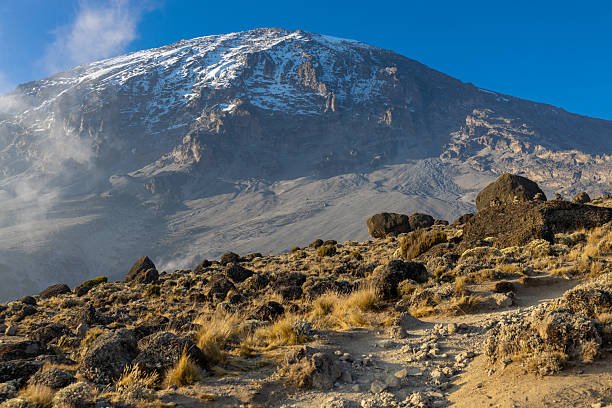
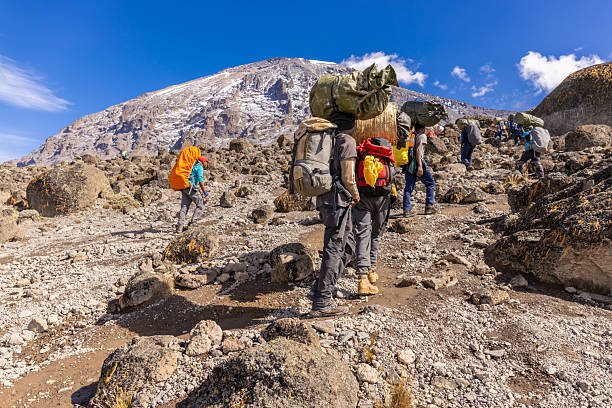
November Kilimanjaro Acclimatization Focused Trek 2026-2027
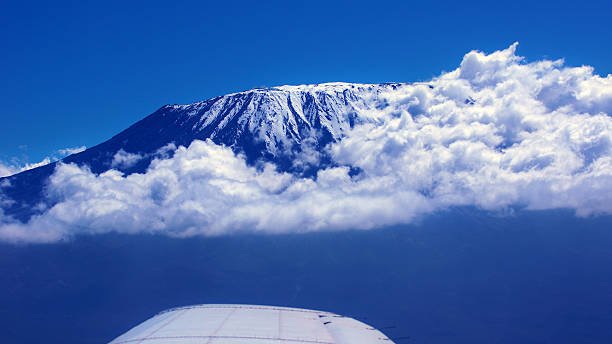
November Kilimanjaro Acclimatization Focused Trek 2026-2027 is designed for climbers who want to approach Mount Kilimanjaro with additional attention to altitude adjustment, steady pacing and adequate recovery between major elevation gains.
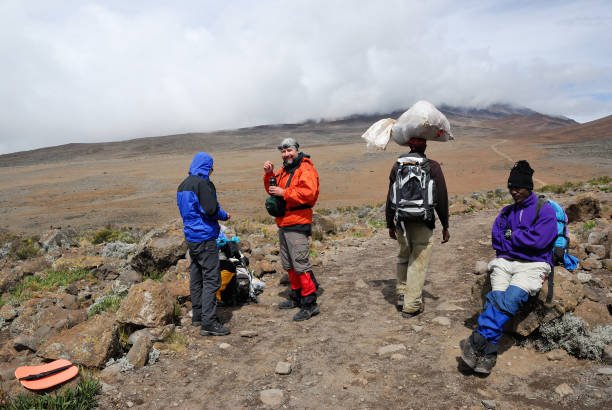
November conditions can vary considerably across the mountain, so climbers should be prepared for rain in the lower zones, colder temperatures at higher camps and rapidly changing weather.
A longer Kilimanjaro itinerary provides more time for the body to adapt as oxygen availability decreases with increasing altitude.
The aim is to reach the summit with a controlled schedule rather than rushing through the mountain simply to reduce the number of trekking days.
November Kilimanjaro Acclimatization Focused Trek at a Glance
- Destination: Mount Kilimanjaro, Tanzania
- Travel period: November 2026-2027
- Main focus: Acclimatization and gradual altitude gain
- Recommended style: Longer Kilimanjaro itinerary
- Popular route: Lemosho or another longer acclimatization friendly route
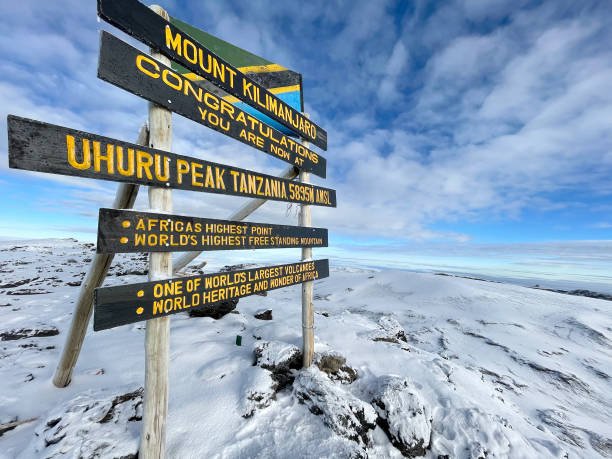
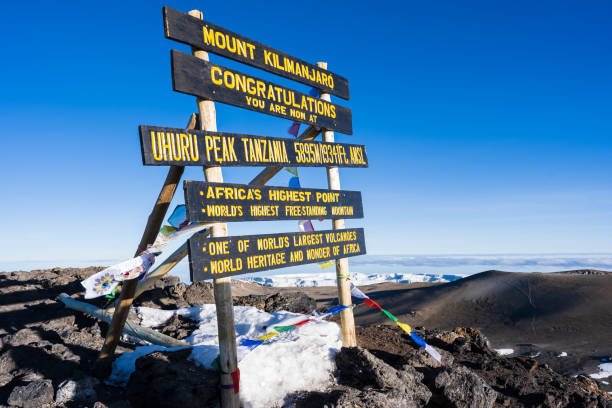
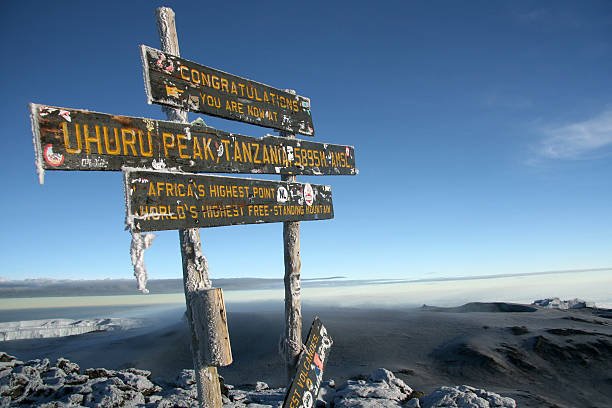
- Highest point: Uhuru Peak, 5,895 metres
- Accommodation: Mountain camping on camping routes
- Difficulty: Challenging high altitude trek
- Best for: First time high altitude climbers, solo travellers, couples and groups
Why Focus on Acclimatization for Kilimanjaro?
Kilimanjaro rises to 5,895 metres, and altitude is one of the main challenges climbers face regardless of physical fitness.
As elevation increases, oxygen availability decreases and the body needs time to adapt.
A climber can be strong, experienced and physically fit but still experience altitude symptoms if the ascent is too rapid.
An acclimatization focused itinerary therefore emphasizes gradual elevation gain, slower walking, sufficient hydration, appropriate rest and close communication with the guide team.
Key Elements of an Acclimatization Focused Climb
- Longer mountain itinerary
- Gradual increase in sleeping altitude
- Slow and consistent trekking pace
- Climb high and sleep lower where appropriate
- Regular hydration
- Good nutrition throughout the climb
- Daily health monitoring
- Adequate rest at camp
- Immediate reporting of altitude symptoms
Why November Can Be a Good Month for an Acclimatization Focused Trek
November can offer a different Kilimanjaro experience from the busier dry season months.
Some climbers choose November because they prefer fewer people on the trails and a quieter mountain atmosphere.
However, November can also bring rainfall, especially in lower sections of the mountain.
For an acclimatization focused climb, the key is not simply choosing the month but preparing properly for the weather and selecting an itinerary with enough time for gradual altitude adaptation.
November Weather on Mount Kilimanjaro
Conditions on Kilimanjaro vary significantly by altitude.
The rainforest zone may experience rain, humidity and muddy trails, while higher elevations can be dry, cold and exposed.
Temperatures around the summit can fall well below freezing, particularly during the night and early morning.
Climbers should therefore prepare for several climate zones rather than expecting one consistent type of November weather.
Rain During a November Kilimanjaro Climb
Rain is one of the main considerations when climbing Kilimanjaro in November.
Waterproof clothing, pack protection and appropriate footwear become especially important.
Rain at lower elevations does not necessarily mean poor conditions throughout the entire trek because weather can differ significantly between ecological zones.
Good preparation allows climbers to continue comfortably even when the trail is wet.
Useful November Rain Gear
- Waterproof shell jacket
- Waterproof trekking trousers
- Waterproof trekking boots
- Gaiters
- Rain cover for daypack
- Dry bags for clothing and electronics
- Quick drying trekking layers
- Spare socks
Best Route for a November Acclimatization Focused Climb
Longer routes are generally better suited to climbers who want to place greater emphasis on acclimatization.
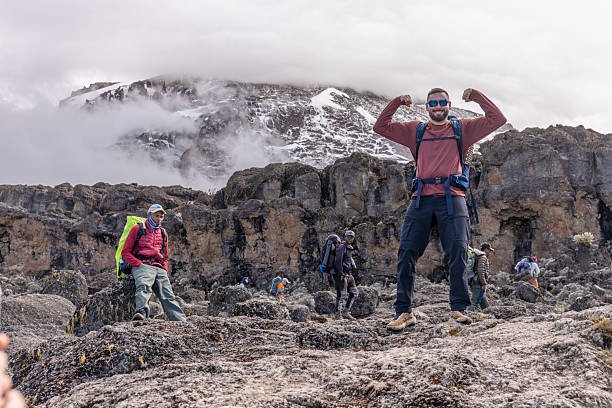
The Lemosho Route is commonly selected because it begins gradually on the western side of Kilimanjaro and provides several days before reaching the high camps.
The Northern Circuit also provides a long approach with substantial time at altitude.
The best route depends on the climber's available days, budget, preferred scenery and desired level of comfort with a longer expedition.
Why Lemosho Works Well for Acclimatization
Lemosho is particularly suitable for climbers who prefer a gradual approach to high altitude.
The route begins through rainforest before reaching the Shira Plateau and eventually joining the southern Kilimanjaro circuit.
Important acclimatization opportunities occur around Shira, Lava Tower, Barranco and Karanga.
A longer Lemosho itinerary allows climbers to spend more time adapting before the summit attempt.
Why Northern Circuit Can Also Be Suitable
The Northern Circuit is one of Kilimanjaro's longest established routes.
It travels around the northern side of the mountain and provides additional days at intermediate elevations.
The longer schedule can be attractive to climbers who want substantial acclimatization time and quieter sections of trail.
Because it requires more mountain days, it normally has a higher overall cost than shorter routes.
Example 8 Day Acclimatization Focused Lemosho Trek
An eight day Lemosho itinerary provides a good example of how additional time can be used to support gradual altitude adjustment.
The following schedule illustrates the general structure of an acclimatization focused climb.
Day 1: Londorossi Gate to Mti Mkubwa Camp
After breakfast, transfer from Moshi toward Londorossi Gate for registration and Kilimanjaro National Park entry procedures.
The trek begins through montane rainforest, where November conditions may include wet ground, cloud and occasional rainfall.
The first day should be approached slowly rather than as a test of speed.
Climbers overnight at Mti Mkubwa Camp and begin adapting to the mountain environment.
Distance: Approximately 6-8 km
Elevation: Approximately 2,100 m to 2,650 m
Trekking time: Approximately 3-4 hours
Habitat: Montane rainforest
Meals: Lunch and dinner
Day 2: Mti Mkubwa to Shira 1 Camp
The trail leaves the rainforest and climbs gradually into heath and moorland.
Vegetation becomes more open and climbers begin seeing wider views across the western side of Kilimanjaro when weather conditions are clear.
The increase in sleeping elevation becomes more noticeable on this day.
Walking slowly helps the body begin adapting to the thinner air.
Distance: Approximately 7 km
Elevation: Approximately 2,650 m to 3,500 m
Trekking time: Approximately 4-6 hours
Habitat: Heath and moorland
Meals: Breakfast, lunch and dinner
Day 3: Shira 1 to Shira 2 Camp
This day continues across the Shira Plateau with a relatively moderate increase in sleeping elevation.
The additional day on the plateau is valuable because climbers remain at higher altitude without rushing directly toward the upper mountain.
Depending on conditions, the guide may incorporate a gentle acclimatization walk after reaching camp.
Rest, hydration and eating well become increasingly important.
Distance: Approximately 7-8 km
Elevation: Approximately 3,500 m to 3,850 m
Trekking time: Approximately 4-5 hours
Habitat: Moorland
Meals: Breakfast, lunch and dinner
Day 4: Shira 2 to Lava Tower and Barranco Camp
This is one of the most important acclimatization days on the route.
The group climbs toward Lava Tower at approximately 4,600 metres before descending to Barranco Camp at a lower sleeping elevation.
This climb high and sleep lower pattern exposes the body to greater altitude during the day while allowing recovery at a lower camp.
Climbers should move slowly and communicate any symptoms to the guide.
Distance: Approximately 10 km
Highest point: Lava Tower around 4,600 m
Sleeping elevation: Barranco Camp around 3,950 m
Trekking time: Approximately 6-8 hours
Habitat: Alpine desert
Meals: Breakfast, lunch and dinner
Day 5: Barranco Camp to Karanga Camp
The morning begins with the Barranco Wall, followed by rolling terrain toward Karanga.
This day is relatively shorter in distance than some earlier sections and provides another important night before reaching the highest camps.
The shorter trekking day allows climbers time to rest, eat and recover.
From an acclimatization perspective, this additional night can be valuable before moving toward Barafu.
Distance: Approximately 5-6 km
Elevation: Approximately 3,950 m to 4,035 m
Trekking time: Approximately 4-5 hours
Habitat: Alpine desert
Meals: Breakfast, lunch and dinner
Day 6: Karanga Camp to Barafu Camp
The route continues upward toward Barafu, the main summit base camp on this itinerary.
The terrain becomes increasingly exposed, dry and cold.
After reaching camp, climbers should focus on eating, preparing summit clothing and resting.
There is little benefit in using unnecessary energy once Barafu is reached because summit night begins later.
Distance: Approximately 4 km
Elevation: Approximately 4,035 m to 4,640 m
Trekking time: Approximately 3-4 hours
Habitat: Alpine desert
Meals: Breakfast, lunch and dinner
Day 7: Barafu to Uhuru Peak and Mweka Camp
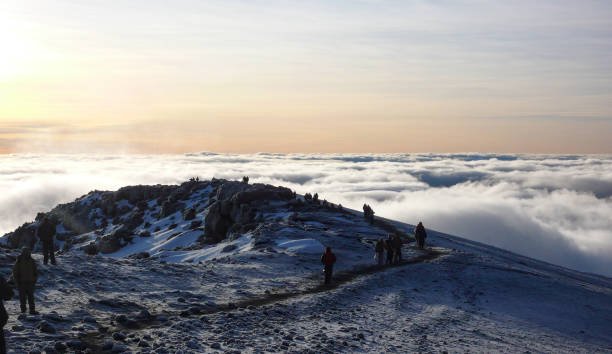
Summit night normally begins around midnight or shortly afterward.
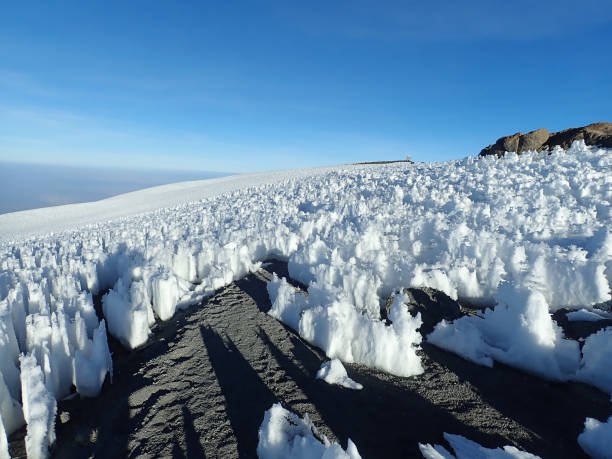
The climb continues slowly toward Stella Point before following the crater rim to Uhuru Peak at 5,895 metres.
At this altitude, maintaining a steady pace is more important than moving quickly.
After reaching the summit, the group descends to Barafu for a short recovery before continuing lower toward Mweka Camp.
Distance: Approximately 15-17 km total
Highest elevation: Uhuru Peak 5,895 m
Sleeping elevation: Mweka Camp around 3,100 m
Trekking time: Approximately 11-15 hours
Habitat: Arctic summit zone, alpine desert and forest transition
Meals: Breakfast, lunch and dinner
Day 8: Mweka Camp to Mweka Gate
The final day descends through rainforest toward Mweka Gate.
November moisture can make the lower trail wet or muddy, so trekking poles and boots with good grip can be useful.
At the gate, climbers complete park exit procedures and receive summit certificates according to the highest point reached.
The group then transfers back to Moshi or the confirmed hotel.
Distance: Approximately 10 km
Elevation: Approximately 3,100 m to 1,640 m
Trekking time: Approximately 3-4 hours
Habitat: Montane rainforest
Meals: Breakfast and lunch
What Does Climb High and Sleep Low Mean?
Climb high and sleep low is a commonly used acclimatization approach on Kilimanjaro.
The climber reaches a higher elevation during the day and then descends to sleep at a lower altitude.
The Lava Tower to Barranco section is one of the best known examples.
This gives the body exposure to greater altitude while providing more comfortable recovery at night.
Why Slow Walking Matters
Walking slowly is one of the most important habits on Kilimanjaro.
The mountain is not a race, and moving too quickly can create unnecessary exhaustion.
Professional guides often encourage a slow and steady rhythm from the first day rather than waiting until the group reaches high altitude.
A climber who preserves energy during the earlier days may be better prepared for summit night.
Daily Health Monitoring During the Trek
An acclimatization focused climb should include regular health monitoring.
Guides may use a pulse oximeter to check oxygen saturation and pulse while also asking about symptoms and general condition.
Numbers should not be considered alone because climbers can respond differently to altitude.
Headache, nausea, unusual fatigue, dizziness, confusion and poor coordination should always be reported immediately.
Understanding Altitude Symptoms
Mild altitude symptoms can occur as the body adjusts to increasing elevation.
However, symptoms should never be ignored or hidden in an attempt to continue toward the summit.
Professional guides evaluate symptoms, physical condition, oxygen readings and the overall situation when deciding whether a climber should continue, rest or descend.
Descending remains an important response when altitude illness becomes serious.
Altitude Symptoms to Report to Your Guide
- Persistent headache
- Nausea or vomiting
- Unusual dizziness
- Severe weakness
- Difficulty walking normally
- Unusual shortness of breath at rest
- Confusion
- Loss of coordination
Hydration and Acclimatization
Regular hydration is important throughout a Kilimanjaro climb.
Climbers should drink steadily during the day instead of waiting until they feel very thirsty.
Cold temperatures can reduce the feeling of thirst, especially at higher elevations.
Electrolytes can also be useful for some climbers during long trekking days, particularly when sweating or drinking large volumes of water.
Eating Well at Altitude
Appetite can decrease as altitude increases, but eating remains important because trekking requires significant energy.
Mountain meals should include carbohydrates, vegetables, protein and warm food where possible.
Climbers may also bring personal snacks such as energy bars, nuts, sweets or other familiar foods.
Eating small amounts regularly can sometimes be easier than trying to consume a very large meal at high altitude.
Rest and Recovery Between Trekking Days
Once camp is reached, climbers should use the available time to recover.
Changing out of wet clothing, eating, drinking and preparing equipment for the following day can improve comfort.
November conditions make staying dry particularly important because damp clothing can become uncomfortable as temperatures fall.
Good rest becomes especially valuable during the final nights before summit night.
Professional Kilimanjaro Guides and Acclimatization
Mountain guides play a central role in managing an acclimatization focused trek.
They control trekking pace, observe climber condition, monitor symptoms and explain what to expect as elevation increases.
The guide team can also adjust the pace or recommend additional rest when required.
Climbers should communicate openly instead of hiding discomfort because they are worried about slowing the group.
Emergency Oxygen on Kilimanjaro
Professional mountain operations may carry emergency oxygen as part of the safety equipment.
Emergency oxygen should not be viewed as a substitute for proper acclimatization.
If a climber develops serious altitude problems, descent may still be necessary.
The guide team determines the appropriate response based on symptoms and the overall situation.
First Aid and Mountain Safety
A properly organized Kilimanjaro climb should include first aid equipment and trained mountain staff.
Safety planning should also consider communication, evacuation procedures and access to lower altitude.
Climbers should provide relevant medical information before the trek and carry personal medication in an accessible location.
Fitness for an Acclimatization Focused Kilimanjaro Trek
A longer route provides more acclimatization time, but climbers still need reasonable physical fitness.
Most days involve several hours of walking, and summit night can be especially demanding.
Training should focus on endurance rather than only speed.
Long walks, hill hiking, stair climbing and regular cardiovascular exercise can all contribute to preparation.
Can Beginners Join an Acclimatization Focused Trek?
Yes. A longer acclimatization focused route can be a sensible choice for physically prepared beginners.
Previous technical climbing experience is not normally required on standard Kilimanjaro trekking routes.
However, beginners should understand that high altitude creates a challenge that cannot be completely eliminated by fitness or additional days.
Preparation, pacing and communication remain essential.
November Kilimanjaro Trek for Solo Travellers
Solo travellers can join group departures or arrange a private November climb.
Group joining can provide a social atmosphere and reduce some shared operational costs.
Private climbs provide more flexibility in dates and overall itinerary planning.
Solo travellers should confirm tent arrangements and hotel room supplements before booking.
November Kilimanjaro Trek for Couples
Couples can join a group climb together or arrange a private itinerary.
Shared trekking dates, hotel accommodation and tent arrangements can be confirmed in advance.
A longer acclimatization focused itinerary can be especially attractive when both climbers prefer a controlled pace rather than a short route.
November Group Joining Kilimanjaro Climbs
Group joining departures can operate in November depending on confirmed bookings and route schedules.
Travellers should check the exact departure date, route, number of trekking days and current group size.
An acclimatization focused group should maintain a steady collective pace while still monitoring individual climbers.
Climbers should not feel pressured to move faster simply because another participant is naturally quicker.
Private November Kilimanjaro Trek
A private trek offers greater control over the departure date and travel arrangements.
It can be convenient for couples, families, friends or travellers with specific scheduling needs.
The mountain itinerary itself should still follow appropriate acclimatization principles rather than being shortened unnecessarily.
Camping During a November Kilimanjaro Trek
Lemosho and most other camping routes use tents at designated mountain camps.
November rain makes good tent quality and dry storage especially important.
Climbers should keep sleeping clothes and important personal equipment inside waterproof bags within the duffel.
A dry sleeping system can make a significant difference to comfort during cold mountain nights.
Sleeping Bag for November Kilimanjaro
A warm sleeping bag suitable for cold mountain conditions is essential.
Temperatures can fall considerably at high camps even when lower areas are experiencing rain rather than extreme cold.
Climbers who do not own an appropriate sleeping bag can often arrange rental before the trek.
What to Pack for a November Kilimanjaro Trek
The November packing list should prepare climbers for rain, cold, wind, sun and changing trail conditions.
Layering allows clothing to be adjusted throughout the day as temperature and effort change.
November Kilimanjaro Packing List
- Waterproof trekking boots
- Waterproof shell jacket
- Waterproof trousers
- Gaiters
- Warm base layers
- Fleece jacket
- Insulated down or synthetic jacket
- Warm summit gloves
- Light trekking gloves
- Warm hat
- Sun hat
- Trekking poles
- Headlamp with spare batteries
- Warm sleeping bag
- Daypack with rain protection
- Duffel bag
- Dry bags
- Sunglasses
- Sunscreen
- Reusable water bottles
- Personal medication
Trekking Poles in November
Trekking poles can be particularly useful during November when lower trails may be wet or slippery.
They can improve balance on descents and reduce some strain on the knees.
Poles can also be useful during the long descent after summit night.
Keeping Gear Dry During November
Keeping essential clothing dry should be treated as a priority.
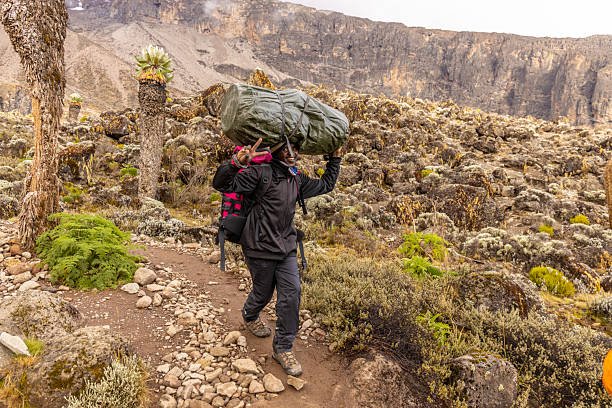
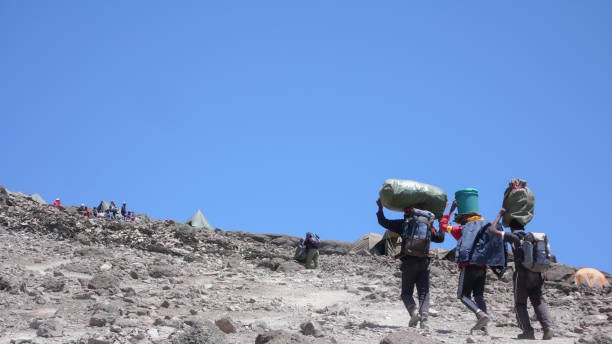
A rain cover alone may not protect every item inside a pack or porter carried duffel.
Important summit clothing, sleeping layers and electronics can be stored in internal dry bags or waterproof liners.
Wet summit clothing can become a serious comfort problem once temperatures fall.
Meals During the November Trek
Hot meals can be especially welcome during wet or cold November conditions.
Breakfast, lunch and dinner are normally prepared by the mountain cook on multi day climbing packages.
Meals can include porridge, eggs, pancakes, rice, pasta, soups, vegetables and other energy providing foods.
Dietary requirements should be communicated before the climb.
Drinking Water During the Trek
Mountain crews normally collect and treat water during the trek according to the route and campsite.
Climbers carry the water required during each day's walk.
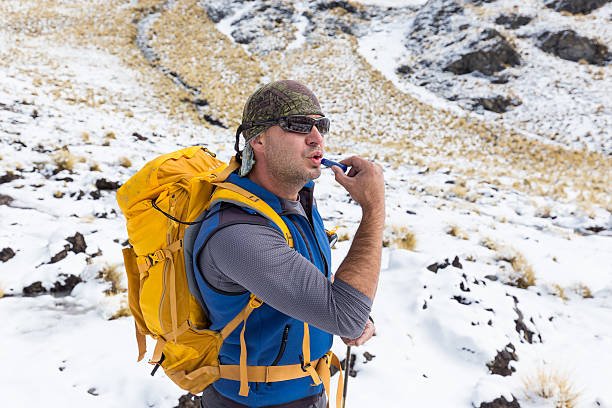
At higher elevations, insulated bottles can be useful because hydration tubes may freeze during very cold summit conditions.
Summit Night in November
Summit night remains the hardest part of the trek regardless of month.
Climbers normally leave camp during the night and spend several hours ascending in cold, dark and high altitude conditions.
The guide sets a slow pace so the group can conserve energy.
Wind, cold and snow conditions can vary, so climbers should have full summit clothing ready even if lower trekking days have been relatively warm.
Does More Acclimatization Guarantee the Summit?
No Kilimanjaro itinerary can guarantee reaching Uhuru Peak.
A longer route can provide more time for altitude adjustment, but individual response to altitude varies.
Weather, health, fatigue and other factors can also influence summit success.
The safest approach is to improve the conditions for success without treating the summit as more important than the climber's health.
November Kilimanjaro Safety
November requires attention both to altitude and weather.
Wet clothing, slippery trails and colder conditions can increase physical stress if climbers are not prepared.
A professional guide team should monitor the route, group condition and daily weather before making decisions.
Climbers should follow guide instructions even if this requires changing pace or adjusting part of the day's plan.
Hotel Stay Before the November Trek
Arriving at least one day before the climb is strongly recommended.
This provides time for rest, mountain briefing, equipment checks and rental of any missing gear.
November weather makes the equipment check especially important because waterproof protection should be confirmed before departure.
Equipment Check Before Departure
The guide should review important climbing gear before the group leaves for the mountain.
Missing jackets, waterproof trousers, sleeping bags, poles or other equipment can often be rented when arranged before departure.
Climbers should also test their headlamp and ensure they have sufficient batteries for summit night.
Airport Transfers for November Climbers
Many Kilimanjaro packages include airport transfers between Kilimanjaro International Airport and Moshi or Arusha.
Travellers should provide flight information before arrival so pickup can be coordinated correctly.
Arriving one day or more before the climb also provides protection against international flight delays.
What Is Included in a November Kilimanjaro Acclimatization Focused Trek?
Exact inclusions depend on the confirmed package, route and operator.
A complete Kilimanjaro quotation should clearly explain mountain fees, accommodation, meals, transport and crew services.
Typical Kilimanjaro Trek Inclusions
- Professional licensed mountain guide
- Assistant guides according to group size
- Mountain cook
- Porters
- Kilimanjaro National Park fees
- Camping fees
- Rescue fees
- Mountain tents
- Dining tent, tables and chairs where included
- Meals during the mountain trek
- Drinking water
- Transfers to and from the mountain gates
- First aid equipment
- Pulse oximeter monitoring
- Emergency oxygen
- Summit certificate
Typical Exclusions
- International flights
- Tanzania visa costs
- Travel insurance
- Personal trekking equipment unless stated
- Equipment rental unless included
- Crew gratuities
- Personal medical expenses
- Alcoholic beverages
- Optional activities
- Additional hotel nights outside the confirmed package
November Kilimanjaro Trek Cost 2026-2027
The cost of a November Kilimanjaro trek depends on the route, number of days, group size, hotel arrangements and included services.
A longer acclimatization focused route usually costs more than a shorter itinerary because it requires additional park fees, crew wages, food and camping logistics.
Group joining departures may reduce some shared costs compared with a completely private climb.
Travellers should compare the full package rather than focusing only on the lowest advertised price.
Travel Insurance for a November Kilimanjaro Trek
Climbers should arrange suitable travel insurance before travelling.
The policy should cover trekking to the maximum altitude planned on Kilimanjaro.
Travellers should also review medical treatment, evacuation, trip interruption and cancellation provisions.
Insurance details should remain accessible during the trek.
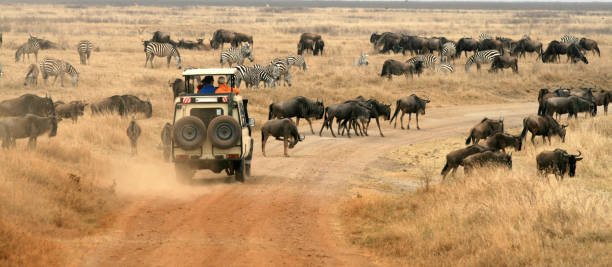
Combining a November Kilimanjaro Trek with Safari
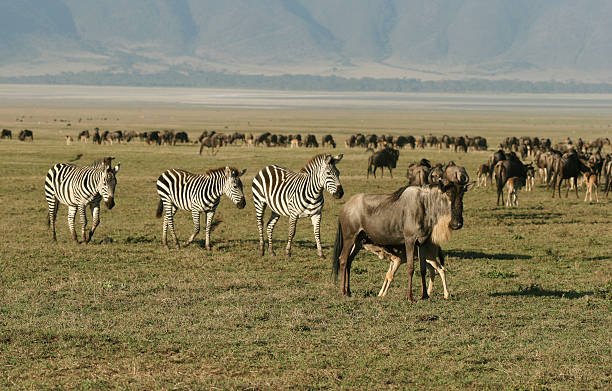
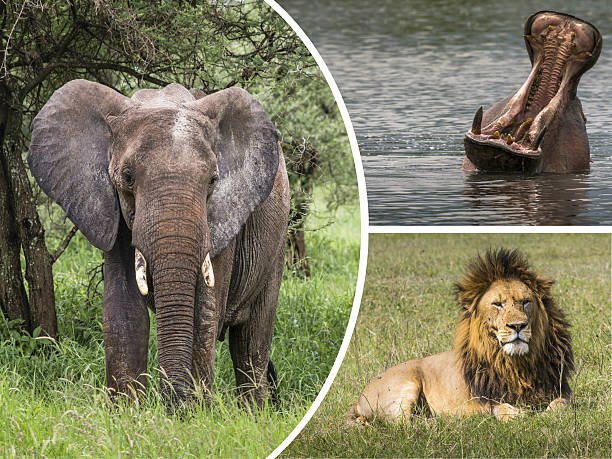
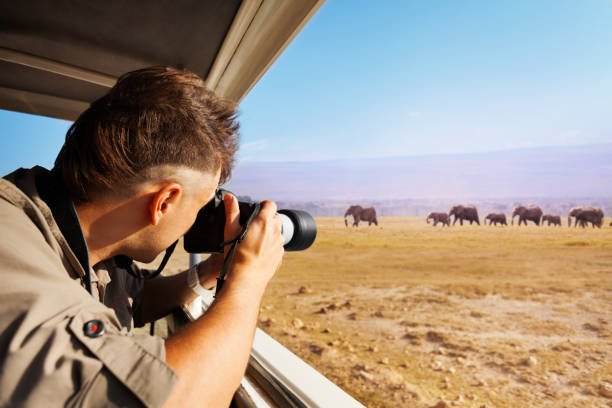
A Kilimanjaro climb can be followed by a northern Tanzania wildlife safari.
Popular destinations include Tarangire, Ngorongoro Crater, Serengeti and Lake Manyara.
Safari can be particularly enjoyable after a demanding trek because most wildlife viewing takes place from a vehicle.
Travellers should allow enough recovery time when planning the transition from mountain trekking to safari.
Combining Kilimanjaro with Zanzibar
Zanzibar is another popular post climb extension.
Domestic flights can connect northern Tanzania with Zanzibar, allowing climbers to relax on the coast after the trek.
The number of beach nights can be adjusted according to the overall travel schedule.
Who Should Choose an Acclimatization Focused Kilimanjaro Trek?
This style of itinerary is particularly suitable for travellers who value a gradual approach rather than the shortest possible climb.
It can be a good choice for first time high altitude trekkers, solo travellers, couples and groups.
It is also suitable for people who want additional time to enjoy the mountain landscapes rather than moving rapidly between camps.
This Trek May Suit You If You Prefer
- More days for altitude adjustment
- Slower trekking pace
- Longer Kilimanjaro routes
- Extra recovery time
- Professional daily health monitoring
- A more gradual approach to summit night
- Less emphasis on completing the mountain quickly
Booking a November Kilimanjaro Acclimatization Focused Trek 2026-2027
To begin planning, provide your preferred November travel dates, number of climbers and preferred number of mountain days.
It is also useful to explain your previous trekking experience, fitness level and whether you prefer a private or group joining departure.
The operator can then recommend an appropriate route and pre climb arrival schedule.
Flight details can be added later so airport transfers and hotel accommodation can be coordinated correctly.
Frequently Asked Questions About November Kilimanjaro Acclimatization Focused Treks
Is November a good month to climb Kilimanjaro?
November can be a suitable month for Kilimanjaro, particularly for climbers who prefer a quieter mountain. Climbers should be prepared for rain and changing weather conditions.
Does it rain on Kilimanjaro in November?
Rain can occur, especially in the rainforest and lower elevation zones, so good waterproof clothing and pack protection are important.
Which Kilimanjaro route is best for acclimatization?
Longer routes such as Lemosho and Northern Circuit are commonly selected by climbers who want more time for gradual altitude adjustment.
Is an eight day Kilimanjaro climb better for acclimatization?
An eight day itinerary provides more time on the mountain than shorter climbs and can include a more gradual acclimatization schedule.
What does climb high and sleep low mean?
It means climbing to a higher elevation during the day before descending to sleep at a lower altitude, giving the body additional exposure to altitude while recovering lower down.
Can beginners climb Kilimanjaro in November?
Yes. Physically prepared beginners can climb in November, but they should select a realistic itinerary and prepare for both high altitude and wet weather conditions.
Is technical climbing experience required?
Standard Kilimanjaro trekking routes generally do not require technical climbing skills, although good fitness and mountain preparation are important.
Are oxygen levels checked during the climb?
Professional mountain teams may use pulse oximeters as part of daily health monitoring while also evaluating symptoms and the climber's general condition.
Is emergency oxygen carried?
Many professionally organized Kilimanjaro climbs carry emergency oxygen, although oxygen should not replace proper acclimatization or necessary descent.
Do I need waterproof gear in November?
Yes. A waterproof jacket, waterproof trousers, appropriate boots, pack protection and dry storage for important clothing are strongly recommended.
Can solo travellers join a November group climb?
Yes. Solo travellers can join selected group departures when dates and space are available.
Can I rent Kilimanjaro equipment?
Yes. Selected items such as sleeping bags, trekking poles, jackets and other trekking equipment can often be rented before the climb.
Does a longer route guarantee that I will reach Uhuru Peak?
No. More acclimatization time can improve the overall climbing approach, but altitude response, weather, health and other factors can still affect summit success.
Can I add a safari after my November Kilimanjaro climb?
Yes. Tarangire, Ngorongoro, Serengeti, Lake Manyara and other Tanzania safari destinations can be added after the climb.
Can I go to Zanzibar after Kilimanjaro?
Yes. Zanzibar can be reached by domestic flight and is a popular place to relax after a Kilimanjaro expedition.
How do I book a November Kilimanjaro Acclimatization Focused Trek for 2026-2027?
Provide your preferred November dates, number of climbers, preferred number of mountain days and whether you want a private or group joining trek. A suitable longer route and acclimatization focused itinerary can then be prepared around those details.
Plan Your November Kilimanjaro Acclimatization Focused Trek 2026-2027
Climb Mount Kilimanjaro in November with a carefully paced itinerary designed around gradual altitude gain, professional health monitoring, sufficient recovery time, appropriate wet weather preparation and a controlled approach to Uhuru Peak at 5,895 metres.
Plan Your November Kilimanjaro Trek

 Wildlife Safari