Kilimanjaro Packing List 2026-2027
Kilimanjaro Packing List 2026-2027 is an essential part of preparing for a successful Mount Kilimanjaro climb.
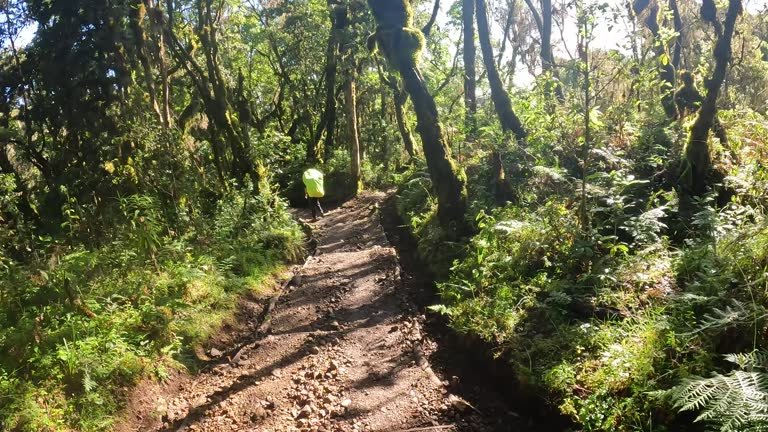
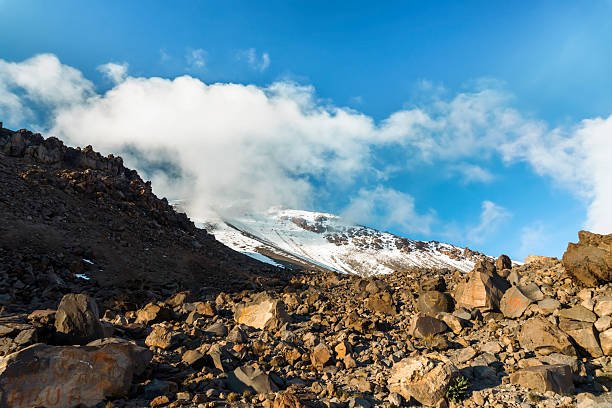
Kilimanjaro passes through several ecological zones, which means climbers need equipment suitable for warm rainforest conditions, cool moorland, dry alpine terrain and freezing temperatures near the summit.
The best packing strategy is based on layering, keeping equipment dry, carrying only essential items during the day and making sure the most important clothing and footwear have been tested before the climb.
A properly organized packing list can improve comfort, reduce unnecessary weight and help climbers manage changing mountain conditions more effectively.
Kilimanjaro Packing List at a Glance
- Footwear: Waterproof trekking boots and comfortable camp shoes
- Clothing: Base layers, fleece, insulated jacket and waterproof outer layers
- Summit gear: Warm gloves, hat, thermal layers and insulated jacket
- Sleeping equipment: Cold weather sleeping bag and comfortable sleeping layers
- Daypack: Water, snacks, rain gear, sun protection and personal medication
- Hydration: Reusable water bottles or hydration system
- Useful accessories: Trekking poles, headlamp, sunglasses and power bank
- Main luggage: Duffel bag carried between camps by porters
What Should You Pack for Kilimanjaro?
You should pack clothing and equipment that can handle large changes in temperature and weather.
The lower sections of Kilimanjaro may be warm or wet, while the upper mountain can become windy and extremely cold.
Instead of bringing one very heavy outfit, climbers should use several layers that can be added or removed depending on conditions.
This makes it easier to regulate body temperature throughout each trekking day.
Essential Kilimanjaro Clothing
Clothing should be lightweight, comfortable, breathable and easy to layer.
Essential Clothing Checklist
- Moisture wicking base layer tops
- Thermal base layer bottoms
- Lightweight trekking shirts
- Fleece or insulated mid layer
- Warm insulated jacket
- Waterproof shell jacket
- Waterproof trousers
- Comfortable trekking trousers
- Warm summit trousers or thermal layering
- Trekking underwear
- Warm trekking socks
- Lightweight hiking socks
Kilimanjaro Layering System
Layering is one of the most important principles when dressing for Kilimanjaro.
A good system normally includes a base layer next to the skin, a warm middle layer and a waterproof or wind resistant outer shell.
Extra insulation can be added at camp or during summit night.
The goal is to stay warm without overheating during movement.
Base Layers for Kilimanjaro
Base layers help manage moisture and provide warmth close to the body.
Thermal tops and bottoms become especially useful at higher camps and during summit night.
Climbers should avoid relying entirely on heavy cotton clothing because it can retain moisture and dry slowly.
Mid Layers and Fleece
A fleece or insulated middle layer provides warmth while still allowing movement.
This layer can be worn during cooler trekking sections or added beneath an insulated jacket at camp.
It should fit comfortably over the base layer without restricting movement.
Insulated Summit Jacket
A warm insulated jacket is one of the most important pieces of equipment for Kilimanjaro summit night.
Temperatures near the summit can be very cold, especially before sunrise.
The jacket should provide enough insulation to keep the upper body warm while allowing room for thermal and fleece layers underneath.
Waterproof Jacket and Trousers
Rain protection is essential because weather can change quickly on Kilimanjaro.
A waterproof shell jacket should protect against rain and wind while fitting over your other layers.
Waterproof trousers are also important, especially in the rainforest and during wet weather.
Keeping clothing dry can make a major difference to comfort at higher altitude.
Best Trekking Boots for Kilimanjaro
Trekking boots are one of the items that climbers should take most seriously.
Boots should fit properly, provide good ankle support and have suitable grip for uneven terrain.
Water resistance is highly useful because some lower sections can be wet or muddy.
Most importantly, boots should be broken in before arriving in Tanzania.
Good Kilimanjaro Trekking Boots Should Be
- Comfortable over long walking days
- Properly fitted
- Broken in before the climb
- Supportive around the ankle
- Suitable for uneven terrain
- Water resistant or waterproof
- Compatible with trekking socks
Should You Rent Trekking Boots?
Boots are generally one item climbers should bring themselves whenever possible.
Using unfamiliar rental footwear immediately before a multi day mountain trek can increase the risk of discomfort or blisters.
If boots must be rented, they should be tested carefully before beginning the climb.
Trekking Socks
Bring enough trekking socks for the route, including warmer pairs for higher elevations.
Proper hiking socks can help manage moisture and reduce friction inside the boots.
A clean dry pair for summit night can improve comfort significantly.
Camp Shoes
Lightweight shoes or sandals can be useful after arriving at camp.
They allow climbers to remove trekking boots and give the feet time to relax.
Camp footwear should be lightweight and easy to pack.
Warm Hat and Sun Hat
Climbers should bring both warm and sun protection headwear.
A lightweight hat helps protect the face from strong sun during daytime trekking.
A warm beanie or insulated hat becomes essential at higher camps and during summit night.
Gloves for Kilimanjaro
Hands can become extremely cold on summit night.
A layered glove system is useful, with lighter inner gloves and warmer insulated outer gloves.
Water resistant or wind resistant outer gloves can provide additional protection in difficult weather.
Neck Gaiter or Buff
A neck gaiter can protect against wind, dust and cold.
It can also be pulled over the face during particularly cold or dusty sections.
Because it is lightweight, it is a useful item to keep in the daypack.
Kilimanjaro Summit Night Packing List
Summit night normally requires the warmest clothing used during the entire expedition.
Summit Night Essentials
- Thermal base layer top
- Thermal base layer bottoms
- Fleece or insulated middle layer
- Warm insulated jacket
- Waterproof or wind resistant shell
- Warm trekking trousers
- Warm socks
- Warm hat
- Insulated gloves
- Neck gaiter or buff
- Headlamp with spare batteries
- Water bottles protected from freezing conditions
- Energy snacks
- Trekking poles
Sleeping Bag for Kilimanjaro
A suitable sleeping bag is essential because mountain nights can become cold.
The sleeping bag should be designed for cold conditions and provide adequate insulation at higher camps.
Travellers who do not own a suitable bag can often rent one in Moshi, subject to availability.
The sleeping bag should be kept dry throughout the trek.
Sleeping Mat
A sleeping mat provides insulation from the cold ground and improves comfort inside the tent.
Depending on the climbing package, a basic mountain mattress may already be provided.
Travellers who require extra comfort can confirm whether an additional sleeping mat is necessary before packing one.
Duffel Bag for Kilimanjaro
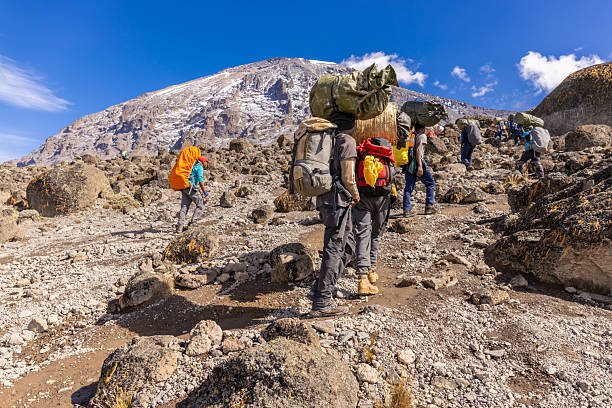
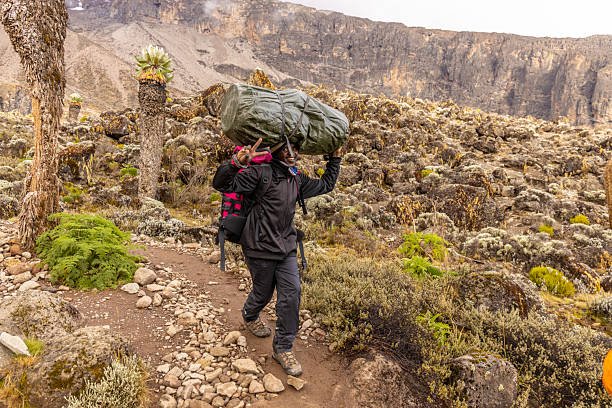
The main mountain luggage is normally packed in a duffel bag that porters carry between camps.
The duffel should be strong and easy to close securely.
Equipment inside should also be protected against rain using waterproof liners or internal dry bags.
Climbers should confirm the permitted porter luggage weight before arriving so unnecessary items can be left at the hotel.
Kilimanjaro Daypack
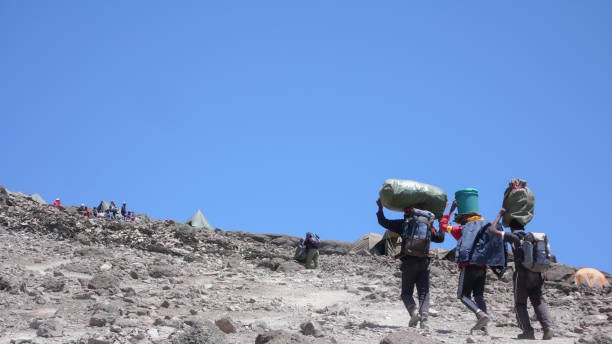
Climbers carry their own daypack throughout each trekking day.
It should be comfortable, properly fitted and large enough for essential items without becoming unnecessarily heavy.
The main duffel bag will normally travel separately with the porter team, so anything needed while walking must stay in the daypack.
What to Carry in Your Kilimanjaro Daypack
- Drinking water
- Waterproof jacket
- Waterproof trousers when conditions require them
- Warm layer
- Sun hat
- Warm hat
- Gloves
- Sunglasses
- Sunscreen
- Snacks
- Personal medication
- Camera or phone
- Personal valuables
- Headlamp when required
Water Bottles and Hydration System
Hydration is important throughout the Kilimanjaro trek.
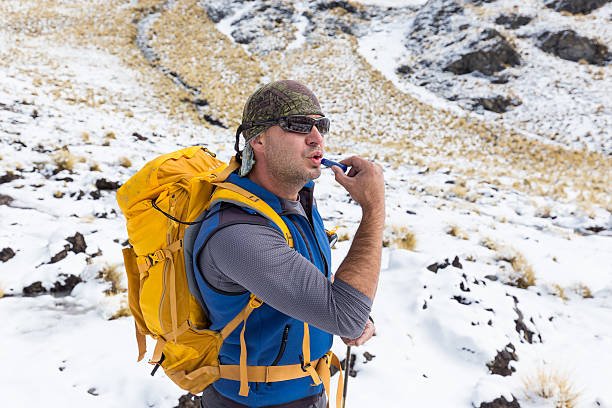
Climbers should carry reusable water bottles or a hydration system suitable for mountain conditions.
Water is prepared during the mountain itinerary, but each climber needs a practical way to carry enough for the day's walk.
On summit night, water systems can be affected by freezing temperatures, so reusable bottles remain useful.
Trekking Poles
Trekking poles can provide useful support during both ascents and descents.
They can reduce stress on the knees and improve balance on uneven terrain.
They are particularly useful during long descent sections after summit night.
Travellers can bring their own poles or rent them where available.
Headlamp
A headlamp is essential for summit night because climbers begin walking in darkness.
It is also useful around camp after sunset.
Bring spare batteries or make sure rechargeable equipment can operate reliably in cold conditions.
Sunglasses for Kilimanjaro
Sunglasses are important because sunlight can be strong at altitude.
They should provide good eye protection and fit securely during trekking.
They become particularly useful in bright high altitude conditions near the summit.
Sunscreen and Lip Protection
UV exposure increases at altitude, so sunscreen should be used regularly.
Climbers should also bring suitable lip protection because wind, cold and dry air can cause irritation.
These items are small and should remain easily accessible in the daypack.
Personal Medication
Any personal medication should be packed in sufficient quantity for the whole trip.
It should remain in the climber's own daypack rather than being placed only in porter carried luggage.
Important medical information should also be communicated to the mountain guide before departure.
Personal First Aid Items
The mountain team normally carries first aid equipment, but climbers may still bring small personal items for minor needs.
These can include blister treatment, personal pain relief approved for the traveller, bandages and other familiar personal care items.
Travellers should not rely on carrying medication they have never used before without appropriate medical guidance.
Toiletries and Hygiene Items
Personal hygiene items should be kept lightweight and practical.
Useful Personal Hygiene Items
- Toothbrush and toothpaste
- Hand sanitizer
- Biodegradable wipes where appropriate
- Small quick dry towel
- Toilet paper or personal tissues
- Personal hygiene products
- Small rubbish bags for personal waste
Portable Toilet
Some Kilimanjaro packages include a private portable toilet while others provide it as an optional service.
Travellers who prefer additional privacy and convenience at camp can confirm whether it is already included in the package.
Power Bank
Charging facilities are generally not available during standard camping based Kilimanjaro climbs.
A power bank is therefore useful for phones, cameras or other small electronics.
Battery performance can decrease in cold temperatures, so devices should be protected from extreme cold whenever possible.
Camera and Phone
Kilimanjaro offers excellent photography opportunities, but camera equipment should be packed carefully.
Climbers should avoid carrying unnecessary heavy equipment in the daypack.
Cold weather can reduce battery life, so spare batteries or a power bank may be useful.
Dry Bags and Waterproof Protection
Even when using a duffel bag and backpack rain cover, important clothing should be protected internally.
Dry bags, waterproof liners or strong plastic inner bags can keep thermal clothing and sleeping equipment dry.
Keeping summit gear dry is particularly important because wet insulation provides less protection from cold.
Rain Cover for Daypack
A backpack rain cover provides an additional layer of protection during wet weather.
However, important items should still be packed in waterproof internal bags because rain covers may not protect every part of the backpack.
Snacks for Kilimanjaro
Main meals are normally provided during the trek, but some climbers prefer to bring personal energy snacks.
Suitable snacks can be useful during long walking days and summit night.
Choose familiar foods that are easy to eat at altitude and do not require complicated preparation.
Documents and Travel Essentials
Important travel documents should be kept secure and organized before the climb.
Important Travel Documents
- Passport
- Visa documentation where required
- Travel insurance information
- Flight details
- Hotel confirmation
- Emergency contact information
- Required health or travel documentation where applicable
What Not to Pack for Kilimanjaro
Overpacking creates unnecessary weight and makes equipment harder to organize.
Climbers should avoid carrying large quantities of casual clothing, heavy unnecessary electronics or items that will not be used during the mountain itinerary.
Extra luggage can normally remain at the hotel while the climb is in progress.
Kilimanjaro Porter Luggage Limit
Porters carry the main duffel bag between camps, but porter carried luggage is subject to weight limits.
Climbers should therefore pack carefully and avoid adding unnecessary items.
A common working allowance for the climber's porter carried duffel is around 15 kilograms, although the final confirmed limit should always be checked before departure.
Anything required during the trekking day should remain in the personal daypack.
What Can Stay at the Hotel?
Travellers do not need to carry their entire Tanzania luggage onto Kilimanjaro.
Suitcases, safari clothing, beach clothes and other items not required on the mountain can usually remain securely stored at the hotel according to the confirmed arrangement.
This makes it easier to keep the mountain duffel within the required weight limit.
Kilimanjaro Gear Rental
Travellers who do not own all required equipment can rent selected mountain gear in Moshi.
Common rental items can include sleeping bags, trekking poles, gaiters, jackets and duffel bags depending on availability.
Rental gear should be checked for fit and condition before departure.
Common Rental Items
- Sleeping bag
- Trekking poles
- Gaiters
- Duffel bag
- Warm jacket
- Waterproof trousers
- Selected trekking clothing
Should You Buy or Rent Kilimanjaro Gear?
Frequently used and personal fit items are generally better owned by the climber.
Boots, base layers, socks and personal hiking clothing should ideally be tested well before the trip.
Bulky items such as sleeping bags, trekking poles or some outer clothing may be practical to rent if travellers do not expect to use them frequently afterwards.
Packing for Machame Route
Machame is a camping route, so climbers should prepare for multiple nights in tents.
Rainforest conditions at the beginning of the route make waterproof protection especially important.
Warm layers become increasingly important as the route continues toward Barranco, Karanga and Barafu.
Packing for Lemosho Route
Lemosho also uses camping accommodation.
The route covers multiple ecological zones and can involve cold mornings, strong sun and exposed alpine conditions.
A complete layering system and reliable waterproof protection are essential for both seven and eight day itineraries.
Packing for Marangu Route
Marangu uses mountain huts instead of tents, but climbers still need full high altitude clothing and summit gear.
Hut accommodation does not remove the need for a warm sleeping bag, waterproof clothing or suitable trekking boots.
Packing for Rongai Route
Rongai approaches from the northern side and uses camping accommodation.
Climbers should bring the same essential cold weather, waterproof and summit equipment required for the other camping routes.
Packing for Northern Circuit
Northern Circuit involves more mountain days than many other routes.
Climbers should therefore plan enough clean socks, base layers and practical personal items for the extended itinerary without overpacking.
The same essential summit clothing remains necessary regardless of route duration.
Kilimanjaro Packing for Rainy Conditions
Rain protection should always be included even when travelling during a generally drier period.
Weather on the mountain can change quickly.
A waterproof jacket, waterproof trousers, backpack cover and internal waterproof bags help protect both the climber and equipment.
Kilimanjaro Packing for Cold Conditions
Cold protection becomes especially important at high camps and during summit night.
Climbers should be able to combine thermal base layers, fleece, insulated jackets, wind protection, warm gloves and headwear.
Multiple layers are normally more flexible than relying on one extremely heavy garment.
Kilimanjaro Packing for Women
The main technical packing requirements are the same for all climbers.
Women should select trekking clothing, base layers, underwear and personal hygiene items that remain comfortable over multiple trekking days.
Personal care products should be lightweight and packed in quantities suitable for the duration of the climb.
Kilimanjaro Packing for Men
Men should also focus on comfortable layering, correctly fitted boots and practical moisture managing clothing.
Avoid overpacking heavy casual clothes that provide little benefit on the mountain.
Every item should have a clear role in warmth, protection, hygiene or trekking comfort.
Kilimanjaro Packing for Beginners
Beginners should keep their packing system simple and organized.
The most important priority is having reliable footwear, warm layers, rain protection and the correct summit clothing.
Climbers do not need to purchase every specialized outdoor product available.
Focus first on equipment that directly affects warmth, dryness, comfort and safety.
Final Kilimanjaro Packing Checklist
Complete Final Checklist
- Waterproof trekking boots
- Trekking socks
- Thermal base layers
- Trekking shirts
- Trekking trousers
- Fleece or insulated middle layer
- Warm insulated summit jacket
- Waterproof jacket
- Waterproof trousers
- Warm hat
- Sun hat
- Warm gloves
- Neck gaiter or buff
- Sleeping bag
- Daypack
- Duffel bag
- Trekking poles
- Headlamp and spare batteries
- Water bottles or hydration system
- Sunglasses
- Sunscreen
- Lip protection
- Personal medication
- Basic personal first aid items
- Toiletries
- Power bank
- Phone or camera
- Dry bags or waterproof liners
- Personal snacks
- Passport and travel documents
What Is Provided on Kilimanjaro?
Exact inclusions vary according to the package, but professionally organized climbs can provide much of the main group equipment and logistical support.
- Mountain tents on camping routes
- Dining tent according to package
- Tables and chairs according to package
- Mountain meals
- Prepared drinking water
- Emergency oxygen
- Pulse oximeter
- Basic first aid equipment
- Porter support
- Professional mountain guides
When Should You Prepare Your Kilimanjaro Gear?
Do not wait until the final days before departure to test important equipment.
Boots should be worn during training hikes, while trekking poles and the daypack should also be used before travelling.
Preparing early gives enough time to replace uncomfortable or unsuitable gear.
Pre Climb Gear Check in Moshi
A final equipment check can be completed in Moshi before departing for the mountain.
The guide can review important items and identify anything that may be missing.
Selected rental equipment can then be arranged before travelling to the starting gate.
Frequently Asked Questions About the Kilimanjaro Packing List
What are the most important items for Kilimanjaro?
The most important items include comfortable trekking boots, warm summit layers, waterproof clothing, gloves, a sleeping bag, daypack, headlamp, water bottles and trekking poles.
Do I need waterproof boots?
Water resistant or waterproof trekking boots are strongly recommended because lower sections of Kilimanjaro can be wet or muddy.
Can I rent Kilimanjaro gear?
Yes. Selected equipment such as sleeping bags, trekking poles, gaiters, jackets and duffel bags can normally be rented in Moshi subject to availability.
Should I rent trekking boots?
It is generally better to bring well fitted boots that have already been broken in before the climb.
Do I need a sleeping bag?
Yes. A sleeping bag suitable for cold mountain conditions is essential and can often be rented if you do not own one.
Do I need trekking poles?
Trekking poles are highly useful for stability and can reduce stress on the knees during long descent sections.
What do I carry in my daypack?
Carry drinking water, waterproof clothing, warm layers, snacks, sun protection, personal medication and anything else you may need before reaching camp.
Who carries my main Kilimanjaro luggage?
Porters normally carry the main duffel bag between camps while climbers carry their own daypacks.
How much can my porter carried bag weigh?
A common climber duffel allowance is around 15 kilograms, but the final limit should be confirmed before your climb.
Can I leave extra luggage in Moshi?
Yes. Extra travel luggage can normally remain at the hotel during the climb according to the confirmed storage arrangement.
Do I need a headlamp?
Yes. A headlamp is essential for summit night and useful around camp after dark.
Do I need a power bank?
Yes. Charging is generally unavailable during camping based mountain itineraries, so a power bank is useful for phones and cameras.
What should I wear on summit night?
Wear thermal base layers, warm middle layers, an insulated jacket, wind and waterproof protection, warm trousers, gloves, a warm hat and suitable trekking boots.
Do I need sunglasses?
Yes. Sunglasses are important for strong sunlight and bright high altitude conditions.
Do I need waterproof clothing?
Yes. A waterproof jacket and trousers should be included because weather can change rapidly on Kilimanjaro.
Should I bring personal snacks?
Mountain meals are normally provided, but familiar energy snacks can be useful during long trekking days and summit night.
Do I need special climbing equipment?
Standard Kilimanjaro trekking routes normally do not require technical mountaineering equipment such as ropes or ice climbing gear for ordinary trekking conditions.
When should I check my Kilimanjaro gear?
Important equipment should be tested during training, followed by a final gear check in Moshi before departing for the mountain.
Prepare Your Kilimanjaro Packing List 2026-2027
Prepare the right trekking boots, clothing layers, summit gear, sleeping equipment, daypack essentials and personal items before arriving in Tanzania so you can focus on acclimatization and the mountain experience.
Prepare for Your Kilimanjaro Climb

 Serengeti Safari