What Happens If a Kilimanjaro Trail Is Closed? 2026-2027
If a Kilimanjaro trail is closed, the first priority is safety. Climbers should not attempt to continue through a section that has been officially closed or declared unsafe.
Temporary trail closures can occur because of heavy rain, erosion, landslides, damaged paths, fire, extreme weather, maintenance or other safety concerns.
In many situations, the mountain guide and park authorities can use an approved alternative trail or adjust the itinerary without cancelling the entire Kilimanjaro expedition.
The exact response depends on where the closure occurs, how serious the problem is and whether a safe alternative route is available.
Kilimanjaro Trail Closure at a Glance
- Main priority: Climber safety
- Decision makers: Park authorities, rangers and professional mountain guides
- Possible response: Alternative trail or route adjustment
- Possible cause: Weather, erosion, landslide, fire, maintenance or safety concern
- Does the whole climb stop? Not necessarily
- Guide responsibility: Follow current park instructions and manage a safe itinerary
- Climber responsibility: Follow guide instructions and remain flexible
Why Would a Kilimanjaro Trail Be Closed?
Kilimanjaro trails operate within a high mountain environment where weather and ground conditions can change quickly.
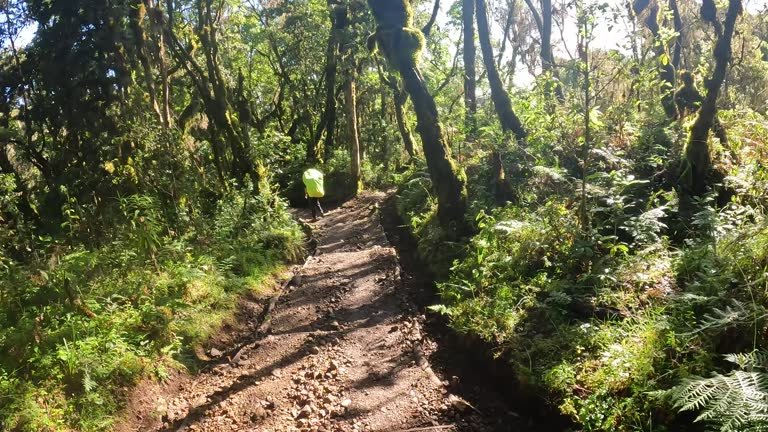
Heavy rainfall can damage paths, increase erosion or create unstable sections.
Strong winds, storms, fire risk or other environmental conditions may also create situations where a section of trail is temporarily unsuitable for trekking.
Park authorities can restrict access whenever continuing along a particular section could create unnecessary risk.
Possible Reasons for Kilimanjaro Trail Closures
- Heavy rainfall
- Landslides
- Trail erosion
- Damaged bridges or crossings
- Strong wind or severe weather
- Fire or fire risk
- Trail maintenance
- Fallen trees
- Temporary safety restrictions
- Wildlife or environmental management issues
Does a Closed Trail Mean My Kilimanjaro Climb Is Cancelled?
No. A closed section of trail does not automatically mean the entire climb must be cancelled.
Kilimanjaro has several routes and connecting trails, and in some circumstances the group can be redirected to an approved alternative section.
The decision depends on the exact location of the closure and whether another safe route connects the required camps.
If there is no safe alternative, a larger itinerary change may be necessary.
Who Decides Whether a Kilimanjaro Trail Is Closed?
Access decisions are normally based on information from Kilimanjaro National Park authorities, rangers and operational teams working on the mountain.
Mountain guides then apply those instructions to the specific climbing group.
A professional guide should not ignore an official restriction simply because the original itinerary was scheduled to use that trail.
Safety and park regulations take priority over maintaining the original route exactly as written.
How Will My Kilimanjaro Guide Know About a Closure?
Professional mountain teams receive information through park gates, ranger stations, other guides and operational communication on the mountain.
Conditions can also become obvious while trekking if a trail has been affected by rain, erosion or another environmental problem.
If a route change is required, the guide should explain the situation to the group and outline the safest available alternative.
Can the Group Use Another Kilimanjaro Trail?
Sometimes yes.
Several Kilimanjaro routes eventually connect with other trails or share portions of the mountain.
This can provide some flexibility if one specific section becomes temporarily unavailable.
However, climbers should not assume that every route can be changed easily because each itinerary has different camps, distances, elevations and logistics.
Can My Kilimanjaro Route Change After the Climb Has Started?
Yes, a route may sometimes need to change after the expedition has already begun.
This can happen if trail conditions deteriorate or park authorities introduce a restriction while climbers are already on the mountain.
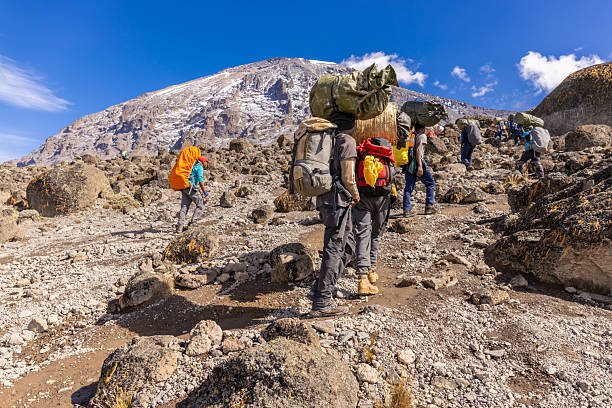
The guide may redirect the group before reaching the affected section.
Any adjustment should consider distance, elevation gain, campsite availability, porter logistics and the physical condition of the climbers.
What Happens If the Closure Is Announced Before My Climb?
If the operator receives notice before the trek begins, the itinerary can usually be reviewed before the group leaves the hotel.
The operator may recommend a different route, adjust the first trekking day or change the planned gate depending on the restriction.
Travellers should receive updated information before leaving for the mountain whenever possible.
This is easier to manage than discovering a closure after the group has already reached a high camp.
What Happens If a Trail Is Closed While We Are Already Trekking?
If a section closes during the climb, the guide will normally assess the available options before the group reaches the restricted area.
The itinerary may continue through a different approved trail or campsite.
If there is no safe alternative, the group may need to descend or change the expedition schedule.
Climbers should avoid treating the change as a failure because mountain conditions sometimes require flexible decision making.
Can the Daily Walking Distance Change?
Yes. A diversion may make a trekking day shorter or longer than originally planned.
The guide should consider the group's energy level, altitude exposure and remaining daylight before committing to a new section.
A route adjustment that looks simple on a map may involve extra elevation or different terrain.
This is why changes should be managed by experienced mountain staff rather than improvised by individual climbers.
Can a Trail Closure Affect Acclimatization?
Potentially yes.
Kilimanjaro itineraries are designed around specific sleeping elevations and daily altitude gains.
If a diversion changes where the group sleeps, the guide should consider how the change affects acclimatization.
A route adjustment should not simply force climbers to gain excessive altitude too quickly in order to stay on the original calendar.
Important Factors During a Route Diversion
- Current sleeping elevation
- Next campsite elevation
- Daily altitude gain
- Walking distance
- Available daylight
- Trail condition
- Climber health
- Crew logistics
- Park regulations
What If the Barranco Wall Area Is Closed?
If a section around Barranco or another important connection is temporarily restricted, the guide must follow the current instructions from the park authorities.
The group may be redirected if an approved alternative exists.
Because Barranco connects important sections of southern Kilimanjaro routes, any change in this area would need careful planning.
Climbers should not attempt to bypass a closure independently.
What If the Lava Tower Trail Is Closed?
Lava Tower is commonly used as an acclimatization point on routes such as Lemosho and Machame.
If access to that section is restricted, the guide may need to adjust the day's acclimatization plan.
The group may continue through another approved trail depending on current conditions.
The most important point is maintaining a safe altitude progression rather than reaching one specific landmark.
What If a Summit Trail Is Closed?
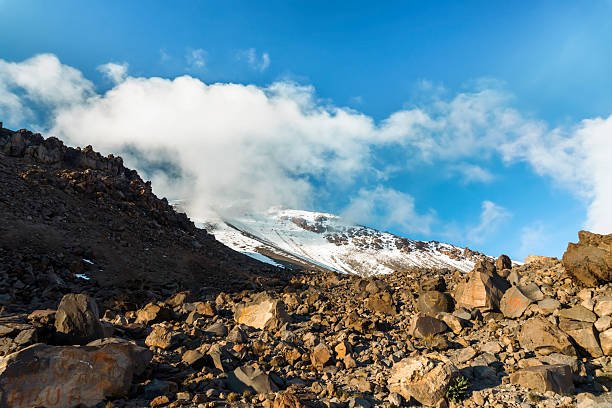
A summit trail closure is more serious because there are fewer options at very high altitude.
Strong weather, dangerous ice, poor visibility or other safety concerns can prevent access to the summit route.
If authorities or guides determine that summit conditions are unsafe, climbers should not continue simply because they have already spent several days on the mountain.
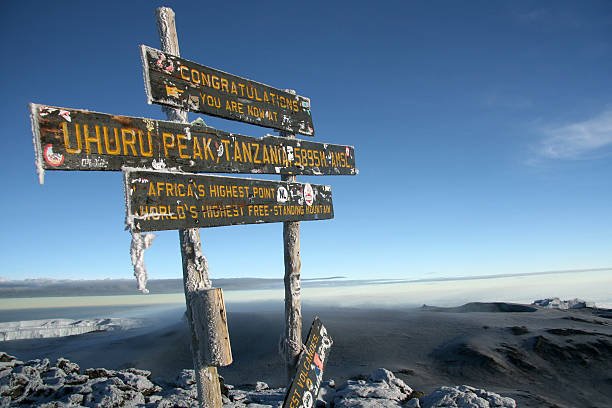
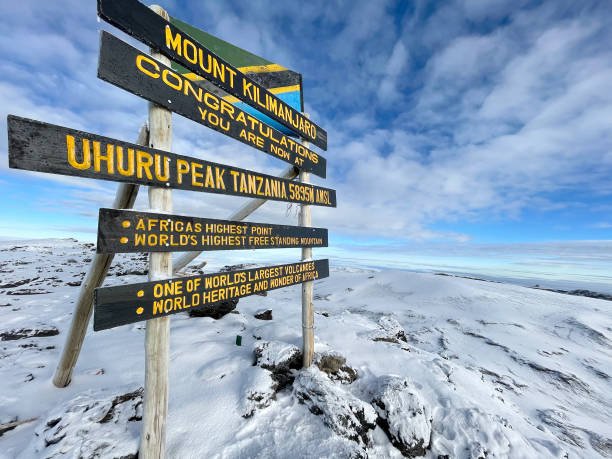
Reaching Uhuru Peak is an important goal, but safe descent remains the priority.
Can Summit Night Be Delayed?
In some circumstances the guide may be able to adjust timing, but this depends on campsite arrangements, route conditions, weather and the overall expedition schedule.
An additional mountain night cannot always be added automatically because park fees, food, crew schedules and campsite logistics are involved.
The guide and operator must evaluate what is realistically possible.
What If Mweka Descent Trail Is Closed?
Mweka is commonly used as a descent route for several Kilimanjaro itineraries.
If part of the descent trail becomes unavailable, park authorities may direct groups toward another approved exit or descent option.
The exact solution would depend on the location and seriousness of the closure.
Descending climbers should follow their guide because fatigue after summit night can make route changes more demanding.
What If a Kilimanjaro Gate Is Temporarily Closed?
A gate restriction can affect transportation and the starting or finishing point of a climb.
If another gate is approved and operationally suitable, the operator may redirect the transfer.
This can change driving times and potentially the first or final trekking section.
Travellers should wait for official guidance rather than travelling independently to a different gate.
Trail Closure on the Lemosho Route
The Lemosho Route approaches Kilimanjaro from the west before joining sections used by other southern routes.
Because of these connections, some trail problems may be managed through approved diversions depending on where the closure occurs.
A closure on the western approach, Shira Plateau, Lava Tower area or later southern section would require different solutions.
The operator should therefore assess the exact location rather than simply saying that the entire Lemosho Route is unavailable.
Trail Closure on the Machame Route
The Machame Route enters through the southern side of Kilimanjaro and later connects with sections also used by Lemosho climbers.
A problem near Machame Gate may require a different solution from a closure higher on the mountain.
Once the routes merge, park authorities may have more than one operational option depending on the affected section.
Trail Closure on the Marangu Route
Marangu follows a different approach and uses mountain huts rather than the camping system used by many other routes.
This means that changing away from Marangu may involve more than simply following a nearby path.
Accommodation, permits, crew logistics and park instructions must all be considered.
If a major Marangu section is unavailable, the operator may need to discuss a revised route before the expedition begins.
Trail Closure on the Rongai Route
Rongai approaches Kilimanjaro from the northern side and eventually descends through the Marangu side.
A closure near the northern approach may therefore create different challenges from a closure near the descent route.
Any alternative would need to account for transport to the trailhead, camps and crew logistics.
Trail Closure on the Northern Circuit
The Northern Circuit travels around quieter northern sections of Kilimanjaro before approaching the summit.
Because the route is longer and uses different camps, a closure can affect the planned acclimatization sequence.
The guide may need to reconnect with another approved trail where operationally possible.
A major change should be explained clearly to climbers because it may alter daily walking distances or campsite arrangements.
Can a Trail Closure Add an Extra Day?
Possibly, but an extra mountain day is not automatic.
Adding a day can affect park fees, staff wages, food supplies, porter schedules, hotel bookings and onward travel.
The operator must confirm whether the additional day is practical and permitted.
In some situations, changing the route while keeping the original number of days may be more realistic.
Can a Trail Closure Shorten My Kilimanjaro Climb?
It is possible for a major restriction to change the length of the expedition, but shortening the climb should not compromise acclimatization or safety.
Forcing several planned trekking days into a shorter schedule may increase physical and altitude stress.
Any shortened itinerary should therefore be evaluated carefully by the professional guide team.
What Happens to My Camps?
A diversion may require the group to use a different designated campsite.
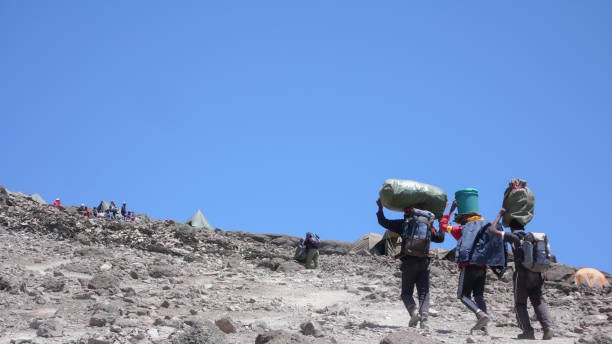
The mountain crew must know where to transport tents, food, cooking equipment and climber luggage.
Porter logistics are therefore an important part of any route change.
The guide and crew should coordinate the new camp plan before separating during the day's trek.
What Happens to My Porters and Mountain Crew?
The support crew also needs to follow any official route changes.
Porters often travel at a different pace from climbers because they need to reach camp and prepare tents, water and meals.
A sudden diversion can therefore require significant operational coordination.
This is another reason why climbers should not leave the group or independently choose a different trail.
Will Meals and Drinking Water Still Be Available?
Normally yes, provided the mountain operation can continue safely.
The cook and porter team carry food supplies and coordinate water collection according to the route.
If the group changes camp, the crew may need to adjust where water is collected and meals are prepared.
A major route change should account for water availability before the group commits to the new section.
Can Weather Close a Kilimanjaro Trail?
Weather can contribute to unsafe trail conditions.
Heavy rain can create slippery surfaces, erosion and poor visibility, while high altitude storms can produce stronger wind and colder conditions.
Mountain weather can change quickly, so a trail that was usable earlier may become less suitable later.
Guides should respond to actual conditions rather than assuming the original schedule must always continue.
Can Landslides Affect Kilimanjaro Trails?
Steep mountain environments can experience erosion and landslide damage, particularly after significant rainfall.
If a trail is blocked or unstable, authorities may temporarily close the section while the risk is assessed.
Climbers should never cross an unstable area simply because footprints from earlier groups remain visible.
Can Fire Affect Kilimanjaro Routes?
Vegetation fires can create temporary access restrictions on parts of the mountain.
Closures may be introduced to keep climbers away from active fire, smoke or areas needed by emergency teams.
The route may reopen after authorities determine that conditions are safe.
During a fire related restriction, climbers should follow official instructions even if the affected section appears clear from a distance.
What If the Trail Is Closed Because of Maintenance?
Maintenance closures are generally easier to plan around because they may be announced in advance.
The operator can then review the available route options before the group arrives at the mountain.
Travellers may receive an updated itinerary, entry gate or campsite plan depending on the work being completed.
Can I Refuse the Alternative Route?
Travellers can always discuss concerns with their guide, but entering an officially closed or unsafe trail should not be treated as an alternative.
If the approved diversion does not fit a climber's ability or health condition, the guide may recommend descent instead.
The final decision should prioritize safety rather than pressure to complete the original itinerary.
What Climbers Should Do During a Trail Closure
- Stay with the guide and group
- Listen to the updated route briefing
- Do not enter a closed trail independently
- Ask questions if the new plan is unclear
- Inform the guide if you are tired or unwell
- Keep enough water and clothing accessible
- Remain flexible about camps and daily distances
- Follow park authority instructions
What If the Alternative Trail Is More Difficult?
An alternative trail may have a different gradient, distance or surface from the original route.
The guide should explain significant changes and adjust the walking pace appropriately.
If the alternative is unsuitable for a particular climber because of health, injury or exhaustion, descending may be safer than continuing.
Can Trail Changes Affect Summit Success?
They can, particularly if the diversion changes acclimatization, increases walking time or reduces recovery before summit night.
However, summit success should never be prioritized above safety.
A professionally managed itinerary should focus on protecting the climber's condition while adapting to the available route.
Sometimes the correct decision is to change the summit plan or descend.
What If I Cannot Reach Uhuru Peak Because of a Trail Closure?
Occasionally external conditions can prevent climbers from reaching the summit even when they are physically capable of continuing.
This can be disappointing, but mountain safety decisions are made because conditions may create unacceptable risk.
Climbers should discuss certificate arrangements and any next steps with their operator after returning from the mountain.
Will I Receive a Refund If a Kilimanjaro Trail Is Closed?
Refund arrangements depend on the operator's booking terms, the stage of the expedition and which services have already been used or paid.
Park fees, crew wages, transportation, food and accommodation may already have been committed even if one section becomes unavailable.
Travellers should therefore review booking conditions and travel insurance before departure.
A trail closure does not automatically mean that the full trip cost is refundable.
Can Travel Insurance Help?
Travel insurance may provide protection for certain disruptions depending on the policy wording and reason for the change.
Policies differ significantly, so climbers should confirm whether their coverage includes trip interruption, weather related disruption, evacuation or other relevant situations.
Keep any official documentation provided by the operator, park or transport company if an insurance claim may be necessary.
Can a Trail Closure Affect My Safari After Kilimanjaro?
If the climb is extended, delayed or ends at a different location, onward safari arrangements may need to change.
Safari accommodation, transfers and domestic flights can all depend on the original Kilimanjaro finish date.
The operator should review the complete itinerary before adding extra mountain time.
Can a Trail Closure Affect My Zanzibar Trip?
Yes, if the Kilimanjaro schedule changes significantly.
A delayed mountain finish may affect domestic flights or the first Zanzibar hotel night.
Travellers with tightly scheduled extensions should leave some flexibility between major trip components whenever possible.
How Operators Prepare for Unexpected Trail Changes
Experienced Kilimanjaro operators plan around established routes but also understand that mountain conditions can change.
Guides should know route connections, campsite locations, gate procedures and descent options.
The mountain team should also carry appropriate communication equipment and maintain contact with relevant operational staff.
Preparation makes it easier to respond safely when the original route is no longer available.
Why an Experienced Kilimanjaro Guide Matters
A trail closure is one situation where guide experience becomes particularly important.
An experienced guide understands the terrain, altitude, camp system and practical consequences of changing routes.
The guide also needs to manage climber expectations while coordinating porters, assistant guides and the cook.
Good decision making is more important than simply following the printed itinerary.
Should I Check Trail Conditions Before Travelling?
Travellers can ask their operator for current information before arrival, especially if there has recently been severe weather or another known event on Kilimanjaro.
However, conditions can change after travel has already begun.
The most useful approach is to work with an operator that monitors the mountain and communicates important itinerary changes promptly.
Frequently Asked Questions About Kilimanjaro Trail Closures
What happens if a Kilimanjaro trail is closed?
The guide and park authorities assess the situation and may use an approved alternative trail, adjust the itinerary or change the expedition plan depending on safety and current conditions.
Does a trail closure cancel my entire Kilimanjaro climb?
Not necessarily. Some closures can be managed through approved diversions or itinerary changes, although serious restrictions may require a larger change.
Who closes Kilimanjaro trails?
Access restrictions are generally managed through Kilimanjaro National Park authorities and operational staff responsible for mountain safety and access.
Can my guide choose another route?
An alternative route may be possible when an approved connection exists, but the change must follow park regulations and consider safety, altitude and logistics.
Can I continue through a closed trail myself?
No. Climbers should not enter officially closed or unsafe sections independently and should follow the professional guide's instructions.
Can bad weather close the summit route?
Yes. Severe weather or unsafe high altitude conditions can make a summit section unsuitable for climbing, and guides may need to delay or stop the summit attempt.
Can a closure change my campsite?
Yes. A diversion may require the group to use another designated camp if this is approved and operationally suitable.
Can a trail closure affect acclimatization?
Yes. If the diversion changes sleeping altitude or daily elevation gain, the guide should consider how the new schedule affects acclimatization.
Can an extra trekking day be added?
Sometimes, but extra mountain days depend on park arrangements, crew logistics, food supplies, fees and the traveller's wider itinerary.
Will I get a refund if a trail is closed?
Refunds depend on the operator's terms and which services have already been provided or committed. A temporary trail closure does not automatically create a full refund.
Can a closed trail affect my safari?
Yes. If the Kilimanjaro schedule changes, safari accommodation, transfers or domestic flights after the climb may also need adjustment.
Are trail closures common on Kilimanjaro?
Major closures are not something climbers should automatically expect, but temporary restrictions can occur in any mountain environment because of weather, maintenance or safety concerns.
How should I prepare for possible Kilimanjaro route changes?
Book with an experienced operator, follow your guide's instructions, maintain suitable travel insurance and keep some flexibility in your schedule in case natural mountain conditions require an itinerary adjustment.
Plan a Flexible and Safe Kilimanjaro Climb 2026-2027
Kilimanjaro is a natural high altitude environment, so trail conditions can occasionally change. Travel with a professional mountain team that monitors current conditions, follows park instructions and can adjust your itinerary safely when required.
Plan Your Kilimanjaro Climb

 Kilimanjaro Climb