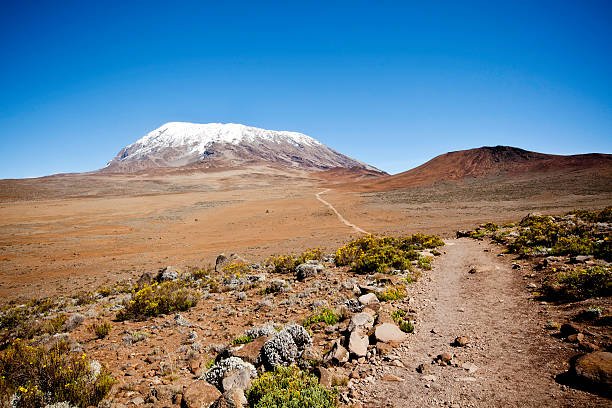
Kilimanjaro Climb for Seniors
A Kilimanjaro Climb for Seniors can be planned for older travellers who are physically prepared, medically suitable for strenuous high altitude trekking and comfortable walking for several hours on consecutive days.
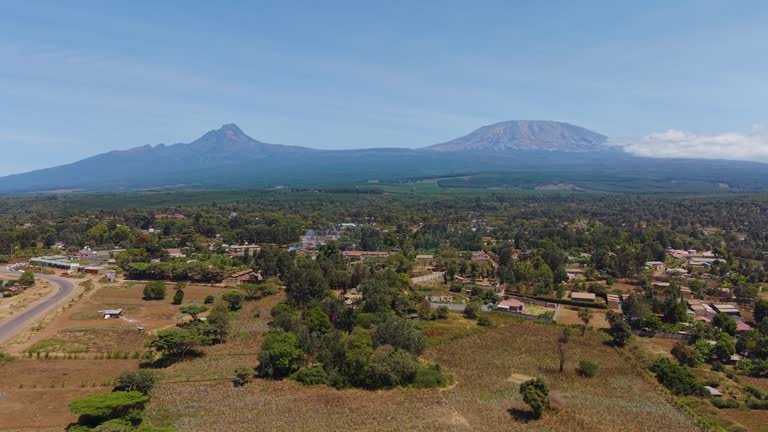
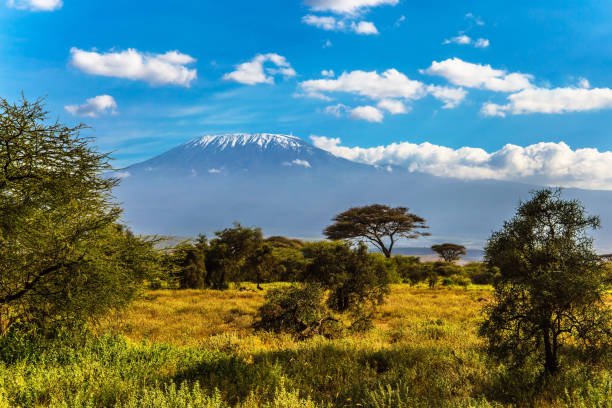
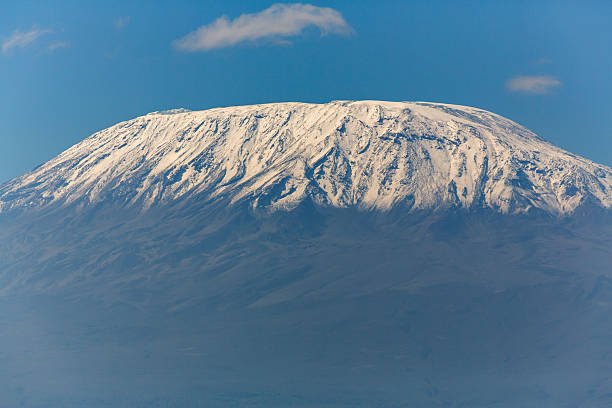
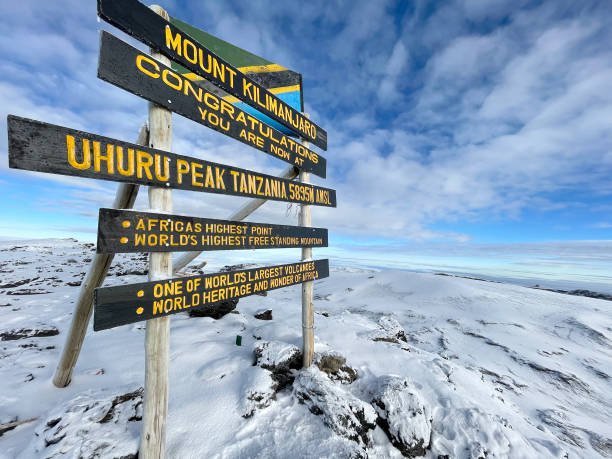
Mount Kilimanjaro reaches 5,895 metres at Uhuru Peak, making altitude one of the most important considerations for climbers of every age.
Older age does not automatically prevent someone from attempting the mountain, just as younger age does not guarantee an easy climb.
What matters more is the individual traveller's endurance, mobility, balance, recovery, general health, route choice and ability to communicate honestly about symptoms.
Senior climbers may particularly benefit from choosing an itinerary that avoids unnecessary schedule pressure and provides more time for acclimatization.
Seven day Machame, longer Lemosho itineraries and Northern Circuit programs can provide more time on the mountain than compressed routes.
However, a longer itinerary does not guarantee successful acclimatization or summit success.
Any traveller with medical conditions, concerns about strenuous exercise or uncertainty about high altitude should discuss the planned trek with an appropriate healthcare professional before travelling.
Kilimanjaro Climb for Seniors at a Glance
- Age: Age alone does not determine readiness.
- Main challenge: High altitude combined with several consecutive trekking days.
- Fitness: Walking endurance, hills, leg strength and recovery are important.
- Route duration: Longer itineraries provide more acclimatization time.
- Pace: Slow and steady walking is normal.
- Health: Individual medical circumstances should be considered before travel.
- Summit: Uhuru Peak is 5,895 metres.
- Safety: Guide decisions and health take priority over reaching the summit.
Can Seniors Climb Kilimanjaro?
Yes, older adults can attempt Kilimanjaro when their individual health, preparation and trekking ability are appropriate for the demands of the mountain.
There is an important difference between chronological age and functional fitness.
One traveller in their sixties or seventies may hike regularly, while a much younger traveller may have very little walking endurance.
Planning should therefore focus on the person rather than an age label.
Useful Questions for Senior Climbers
- Can you comfortably walk for several hours?
- Can you repeat long walks on consecutive days?
- How do your knees and ankles handle long descents?
- Are you comfortable on uneven trails?
- How quickly do you recover after strenuous activity?
- Do you have medical conditions requiring individual advice?
- Do you take medications that should be reviewed before high altitude travel?
- Have you discussed the planned trek with an appropriate healthcare professional when relevant?
Is There an Ideal Age for Kilimanjaro?
There is no single ideal adult age for climbing Kilimanjaro.
Age is only one part of a much larger picture.
Training history, current fitness, mobility, sleep, nutrition, recovery and altitude response can all influence the experience.
Rather than asking whether someone is too old based only on a number, it is more useful to assess whether that individual is prepared for high altitude trekking.
Why Kilimanjaro Can Be Challenging for Seniors
Kilimanjaro is not normally a technical mountaineering climb on standard routes, but it remains physically demanding.
Main Challenges
- High altitude
- Several consecutive walking days
- Long summit day
- Cold temperatures
- Uneven trails
- Long descents
- Sleeping at altitude
- Changing weather
- Accumulated fatigue
Altitude Is More Important Than Age Alone
Uhuru Peak reaches 5,895 metres above sea level.
As elevation increases, atmospheric pressure falls and less oxygen is available with each breath.
This affects climbers of all ages.
Older travellers should not assume that altitude problems are inevitable, while younger climbers should not assume they are protected.
Acclimatization remains individual.
Fitness Does Not Prevent Altitude Sickness
Good fitness can make walking easier and reduce unnecessary physical fatigue.
It does not prevent altitude sickness.
A very fit senior can still experience altitude symptoms, just as a younger athlete can.
This is why route duration and symptom monitoring remain important even for experienced walkers.
Choosing a Longer Route
Senior climbers often consider longer itineraries because they provide more time for gradual altitude exposure.
This does not mean every older traveller must choose the longest route available.
The route should balance acclimatization, total trekking days, physical recovery and available travel time.
Longer Route Advantages
- More acclimatization time
- Less compressed altitude progression
- More time before summit night
- Opportunity for shorter individual trekking stages on some itineraries
Longer routes also mean more total days of walking and camping, so the correct choice depends on the individual.
Seven Day Machame for Senior Climbers
Seven day Machame is often considered by travellers who want the scenic Machame Route with an additional overnight compared with six day Machame.
The seven day itinerary normally includes Karanga Camp as a separate overnight before Barafu.
This provides more time within the altitude profile before summit night.
Senior climbers still need good walking endurance because the route includes Barranco Wall, high altitude terrain and a long summit day.
Lemosho for Senior Climbers
Lemosho is commonly completed over seven or eight days.
The western approach provides a scenic progression toward Shira before joining the southern circuit.
Longer Lemosho itineraries can provide additional acclimatization time.
The route still includes significant elevation gain, Barranco Wall on standard schedules and a demanding summit attempt.
Northern Circuit for Senior Climbers
The Northern Circuit spends more days on the mountain and follows a more gradual route around Kilimanjaro's northern side.
This can provide additional acclimatization time.
However, the total trek is longer, so senior travellers should consider whether multiple additional walking days suit their endurance and recovery ability.
Marangu for Senior Climbers
Marangu uses mountain huts rather than tents.
Some older travellers may appreciate hut accommodation, particularly if getting in and out of low tents is uncomfortable.
However, huts do not reduce the summit altitude.
Shorter Marangu schedules may also provide less acclimatization time than longer routes.
Rongai for Senior Climbers
Rongai approaches Kilimanjaro from the north and offers a different route profile from Machame and Lemosho.
Six and seven day itineraries can be organised depending on the program.
The longer version provides additional time compared with the shorter schedule.
Sample Seven Day Kilimanjaro Climb for Seniors
The following seven day Machame itinerary provides an example of a well known Kilimanjaro schedule for senior climbers who prefer additional time compared with six day Machame.
DAY
01
Machame Gate to Machame Camp
Begin through the rainforest after park registration and trek gradually toward Machame Camp.
- Starting altitude: Approximately 1,800 metres.
- Sleeping altitude: Approximately 2,835 metres.
- Distance: Approximately 11 km.
- Walking time: Approximately 5 to 7 hours.
Accommodation
Camping at Machame Camp.
Meals
Lunch and dinner according to the confirmed package.
DAY
02
Machame Camp to Shira Camp
Continue upward through heath and moorland toward Shira Plateau.
- Starting altitude: Approximately 2,835 metres.
- Sleeping altitude: Approximately 3,850 metres.
- Distance: Approximately 5 km.
- Walking time: Approximately 4 to 6 hours.
This is a significant altitude increase, so slow pacing and symptom communication are important.
Accommodation
Camping at Shira Camp.
Meals
Breakfast, lunch and dinner.
DAY
03
Shira to Lava Tower to Barranco
Climb toward Lava Tower at approximately 4,600 metres before descending to Barranco Camp near 3,900 metres.
- Distance: Approximately 10 km.
- Walking time: Approximately 6 to 8 hours.
- High point: Approximately 4,600 metres.
- Sleeping altitude: Approximately 3,900 metres.
The climb high and sleep lower pattern can support acclimatization, but climbers should report headache, nausea, dizziness or unusual fatigue to the guide.
Accommodation
Camping at Barranco Camp.
Meals
Breakfast, lunch and dinner.
DAY
04
Barranco to Karanga
Climb Barranco Wall and continue toward Karanga Camp at approximately 4,035 metres.
- Distance: Approximately 5 km.
- Walking time: Approximately 4 to 5 hours.
- Sleeping altitude: Approximately 4,035 metres.
Barranco Wall involves steep trekking and scrambling. Climbers with balance, knee or mobility concerns should discuss these issues before the trek.
Accommodation
Camping at Karanga Camp.
Meals
Breakfast, lunch and dinner.
Continue to Barafu Camp at approximately 4,673 metres and prepare for the summit attempt.
- Distance: Approximately 4 km.
- Walking time: Approximately 3 to 4 hours.
- Sleeping altitude: Approximately 4,673 metres.
Rest, organise warm clothing and discuss your condition honestly with the guide before summit departure.
Accommodation
Camping at Barafu Camp.
Meals
Breakfast, lunch and early dinner.
DAY
06
Barafu to Uhuru Peak to Mweka
Begin the final ascent late at night or around midnight and climb slowly toward Stella Point and Uhuru Peak.
- Barafu: Approximately 4,673 metres.
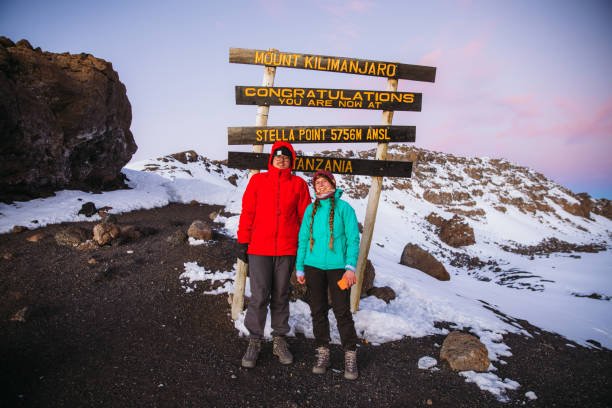
- Stella Point: Approximately 5,756 metres.
- Uhuru Peak: 5,895 metres.
- Descent: Toward Mweka Camp around 3,100 metres.
- Total trekking time: Approximately 12 to 16 hours for many climbers.
This is the most physically demanding day. Senior climbers should expect very slow movement, cold conditions and a long descent after the summit attempt.
Continuation depends on individual condition and guide assessment. Reaching Uhuru Peak is never more important than health and safety.
Accommodation
Camping at Mweka Camp.
Meals
Meals according to the summit day schedule.
DAY
07
Mweka Camp to Mweka Gate
Complete the final descent through the forest to Mweka Gate and transfer to Moshi or another agreed destination.
- Walking time: Approximately 3 to 4 hours.
- Terrain: Forest trail and descent.
- Finish: Mweka Gate.
Accommodation
Hotel according to the confirmed package.
Transfer
Mweka Gate to Moshi or agreed destination.
How Fit Should Seniors Be?
A senior climber does not need elite athletic ability.
However, the person should be physically prepared for long trekking days, repeated elevation gain and a long summit day.
Walking ability matters more than gym performance alone.
Useful Fitness Targets
- Comfort walking for several hours
- Ability to climb hills or stairs
- Ability to walk on consecutive days
- Reasonable leg and core strength
- Stable balance on uneven ground
- Ability to manage downhill walking
- Comfort carrying a daypack
Training for a Kilimanjaro Climb for Seniors
Training should build gradually rather than relying on a short period of intense exercise immediately before departure.
Useful Training Activities
- Regular walking
- Long weekend hikes
- Hill walking
- Stair climbing
- Leg strengthening
- Core stability exercises
- Balance training
- Downhill walking practice
- Back to back hiking days
- Training with hiking boots and daypack
Why Downhill Training Matters for Seniors
Climbers often focus almost entirely on uphill fitness.
However, the descent from the summit and the final mountain days place substantial load on the quadriceps, knees and ankles.
Senior climbers with previous knee discomfort should pay particular attention to downhill preparation and discuss significant mobility concerns before travel.
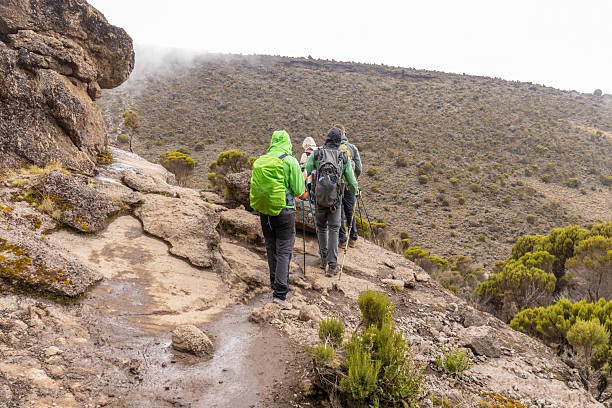
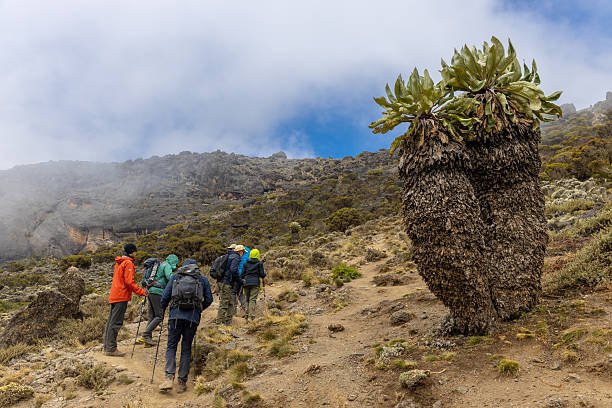
Trekking poles can also be useful for balance and load distribution during descents.
Trekking Poles for Senior Climbers
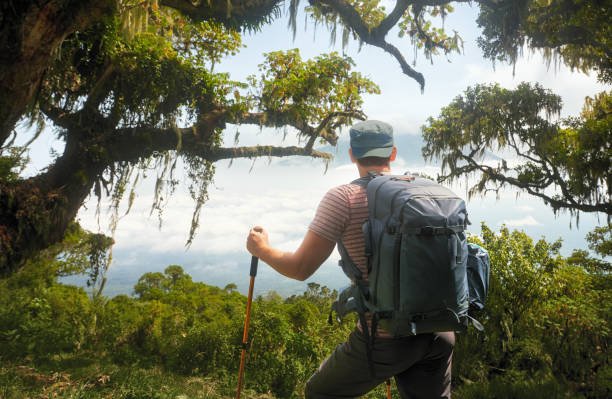
Trekking poles can help with stability on uneven terrain and long descents.
They are especially useful when the trail is muddy, rocky or steep.
Practice with them before travelling so the movement feels natural.
Poles should support good walking technique rather than compensate for a serious mobility problem that needs medical or professional assessment.
Balance and Uneven Terrain
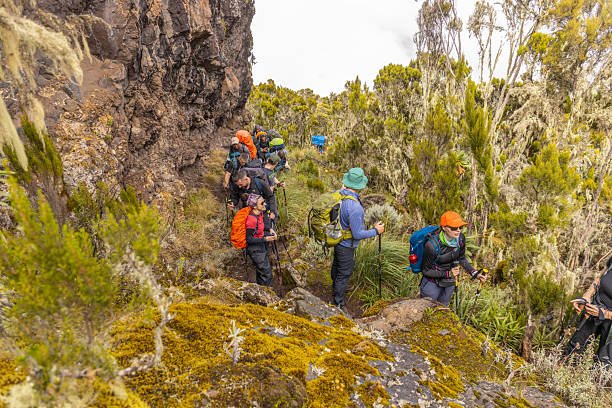
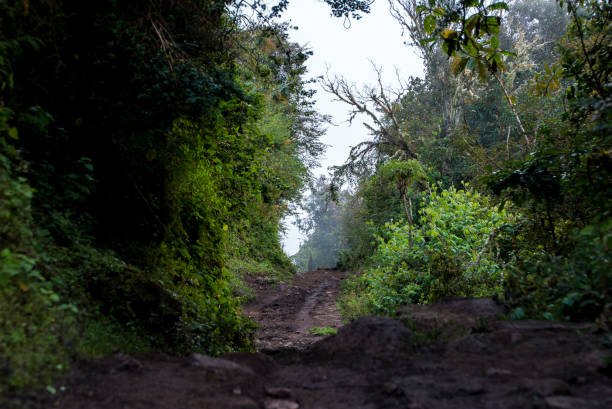
Kilimanjaro trails include roots, rocks, loose scree, steps and uneven surfaces.
Senior climbers should prepare for more than flat road walking.
Hiking on natural trails before the expedition is useful for testing balance, boots and trekking poles.
Barranco Wall for Seniors
Machame and Lemosho routes normally include Barranco Wall.
The wall involves steep trekking and scrambling, with hands used for balance at selected sections.
It is not normally technical rock climbing, but travellers with significant balance, mobility or joint concerns should understand the terrain before selecting the route.
Guides assist climbers through the steeper sections.
Medical Preparation Before Kilimanjaro
Older travellers are more likely to have established medical histories or regular medications, so pre travel planning deserves attention.
This does not mean that having a medical condition automatically prevents Kilimanjaro.
It means the trek should be considered individually.
Topics to Discuss With an Appropriate Healthcare Professional When Relevant
- Planned altitude of 5,895 metres
- Several consecutive trekking days
- Long summit day
- Existing cardiovascular or respiratory concerns
- Blood pressure management
- Diabetes or other metabolic concerns
- Joint or mobility issues
- Current prescription medication
- Previous altitude illness
- Whether altitude medication is appropriate for the individual
Medication Planning
Senior travellers taking regular prescription medication should bring enough for the entire trip plus an appropriate contingency supply.
Important medication should remain accessible rather than being packed only in luggage that may not be immediately available during the day's walk.
Do not change doses or begin altitude medication without appropriate professional advice.
Blood Pressure and Kilimanjaro
Travellers with blood pressure concerns should discuss strenuous high altitude trekking with an appropriate healthcare professional before departure.
The mountain environment involves physical exertion, cold, reduced oxygen pressure and changes in sleep and hydration.
Individual medical advice is more appropriate than relying on a general age based rule.
Heart and Respiratory Conditions
High altitude trekking places additional demands on the cardiovascular and respiratory systems.
Travellers with relevant conditions should obtain individual advice before committing to the trek.
An online itinerary cannot determine whether a particular medical condition is compatible with Kilimanjaro.
Altitude Sickness for Senior Climbers
Altitude sickness can affect climbers of any age.
Possible early symptoms can include headache, nausea, reduced appetite, dizziness, unusual fatigue and disturbed sleep.
Senior climbers should not dismiss significant symptoms as simply being caused by age or tiredness.
Tell the guide how you feel so the complete situation can be assessed.
Urgent Warning Signs
- Confusion
- Severe loss of coordination
- Inability to walk normally
- Breathlessness at rest
- Rapid deterioration
- Severe respiratory distress
These symptoms require urgent guide attention and may require immediate descent and emergency management.
Daily Health Monitoring
Professional mountain teams commonly monitor climbers throughout the trek.
Health Monitoring May Include
- Headache
- Nausea
- Appetite
- Dizziness
- Energy levels
- Sleep
- Breathing
- Walking coordination
- Pulse and oxygen saturation where used
A pulse oximeter can provide useful supporting information, but one oxygen saturation number should not be interpreted alone.
Why Slow Pacing Is Important
Kilimanjaro should not be approached as a race.
Senior climbers may actually benefit from being comfortable with a slow pace rather than trying to match faster trekkers.
Walking too quickly increases physical demand and can lead to unnecessary fatigue.
Guides normally maintain a deliberate pace appropriate for high altitude trekking.
Can Seniors Join a Group Climb?
Yes.
A senior traveller can join a scheduled Kilimanjaro group when the route and departure fit their needs.
Group members can have different ages and walking speeds.
Appropriate guide staffing is important so climbers can be supported when pace differences become significant.
Private Kilimanjaro Climb for Seniors
A private trek can provide a more personal experience for one traveller, a couple or a small family group.
Private guiding allows the mountain team to focus entirely on the climbers within that booking.
It can also make pre trek logistics and daily pacing easier to personalise within the limits of the route and safe mountain operations.
Senior Couples on Kilimanjaro
Older couples can climb together, but each person should still be monitored individually.
One partner may acclimatize differently from the other.
If one person must descend, the ability of the other to continue depends on guide numbers, individual health and safe logistical arrangements.
Summit Night for Senior Climbers
Summit night is normally the most physically demanding stage.
Climbers may leave Barafu late at night or around midnight and continue slowly toward Stella Point and Uhuru Peak.
Cold temperatures, limited sleep, extreme altitude and several hours of climbing make this a demanding period.
The descent after the summit attempt is also long.
Senior Summit Night Priorities
- Walk slowly.
- Keep warm layers accessible.
- Use trekking poles when useful.
- Eat and drink according to guide advice.
- Report symptoms immediately.
- Do not hide exhaustion or confusion.
- Accept turnaround decisions when required.
Can Seniors Use a Later Summit Start?
Summit timing can sometimes be discussed with the guide team, particularly on private climbs.
However, departure time must consider route logistics, weather, individual condition, daylight and the long descent after the summit attempt.
A later summit start is not automatically safer or easier.
The final plan should be agreed with the mountain guide rather than based only on age.
Camping Comfort for Senior Climbers
Machame, Lemosho, Rongai and Northern Circuit generally use mountain tents.
Senior travellers should consider whether they are comfortable getting in and out of a low tent and sleeping on trekking mattresses for several nights.
A quality sleeping bag, warm clothing and organised camp routine can make a substantial difference to comfort.
Would Marangu Huts Be Easier?
Huts can be more convenient for travellers who find tent access uncomfortable.
However, route comfort and altitude profile are separate issues.
A hut does not make high altitude less physiologically demanding.
Route selection should consider both accommodation and acclimatization.
Sleeping at High Altitude
Sleep can become lighter or more interrupted as elevation increases.
This can affect recovery regardless of age.
Senior travellers who already experience sleep difficulties should understand that mountain rest may be less comfortable than at home.
Persistent or concerning symptoms should be discussed with the guide rather than attributed automatically to poor sleep.
Nutrition for Senior Climbers
Some people notice reduced appetite at higher altitude.
Maintaining energy intake is useful because the body is working for several hours each day.
Communicate dietary restrictions before the climb so the mountain cook can prepare accordingly.
If appetite changes significantly during the trek, tell the guide.
Hydration
Appropriate hydration is important during Kilimanjaro trekking.
However, excessive water intake does not prevent altitude sickness.
Follow sensible guidance from the mountain team rather than forcing unusually large amounts of fluid.
Cold Weather Considerations
Senior climbers should prepare carefully for the temperature change between lower slopes and the summit zone.
Useful Cold Weather Equipment
- Thermal base layers
- Warm fleece or mid layer
- Insulated jacket
- Waterproof outer layer
- Warm gloves
- Warm hat
- Suitable trekking socks
- Proper summit footwear
Equipment Rental for Seniors
Selected trekking equipment may be available for rent depending on local availability.
- Sleeping bags
- Trekking poles
- Gaiters
- Duffel bags
- Selected warm clothing
Hiking boots should ideally be tested before travel rather than first worn on the mountain.
What Senior Climbers Carry
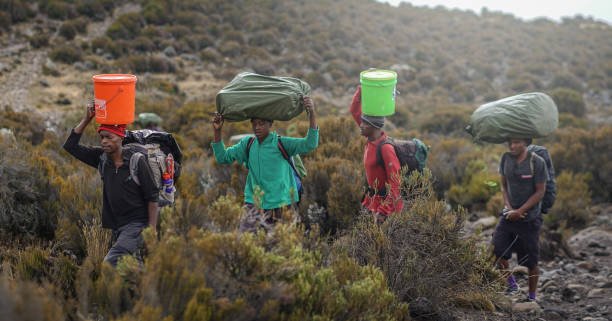
Porters normally transport approved expedition equipment and the climber's allocated main duffel.
Each traveller carries a personal daypack.
Daypack Essentials
- Water
- Rain jacket
- Warm layer
- Snacks
- Sun protection
- Personal medication
- Gloves or hat when needed
- Camera or phone
Keep Important Medication in Your Daypack
Medication that may be needed during the walking day should not be packed only in a porter duffel.
The porter team may be ahead or behind the climber on the trail, so the main duffel may not be immediately accessible.
Carry critical personal medication according to your healthcare professional's instructions.
Travel Insurance for Senior Kilimanjaro Climbers
Travel insurance should be arranged before the expedition.
Older travellers should pay particular attention to policy conditions, medical exclusions and altitude limits.
Check Your Insurance For
- Maximum trekking altitude covered
- Emergency medical treatment
- Ground evacuation
- Helicopter evacuation where covered
- Hospital care
- Pre existing condition rules
- Trip interruption
- Age related policy restrictions if applicable
Rescue and Evacuation
A senior climber receives the same mountain emergency planning as any other climber.
If a traveller becomes unable to continue safely, evacuation may involve assisted walking, additional crew, a mountain stretcher or helicopter evacuation when conditions and availability allow.
Helicopter evacuation cannot be guaranteed.
Ground evacuation planning therefore remains essential.
Emergency Oxygen
Professional guide teams may carry emergency oxygen according to their safety procedures.
Oxygen can support an unwell climber when medically appropriate.
It should not be treated as a tool that allows someone with serious altitude illness to continue ascending.
When descent is required, oxygen does not replace the need to move lower.
Airport Transfers and Arrival Planning
Senior travellers may benefit from arriving before the mountain start rather than planning an immediate trek after a long international flight.
The additional time allows for rest, equipment checks and the pre trek briefing.
Airport pickup can be arranged according to the confirmed package.
Pre Trek Hotel Night
A hotel night before the trek provides time to reorganise luggage, test rented equipment and speak with the mountain guide.
It can also reduce the pressure created by flight delays or late arrivals.
Post Trek Recovery
Many senior travellers prefer at least one comfortable night after the trek before taking a long flight or beginning a safari.
This gives time to shower, sleep and assess how the body feels after several mountain days.
Safari After Kilimanjaro for Seniors
A safari can be added after the mountain.
Travellers should consider how much recovery time they want before beginning long game drive days.
Possible Safari Destinations
- Tarangire National Park
- Ngorongoro Crater
- Serengeti National Park
- Lake Manyara National Park
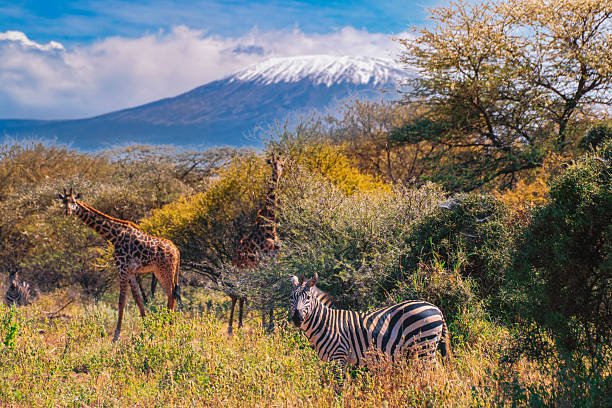
Travellers may see elephants, lions, giraffes, zebras, wildebeest, buffalo and other wildlife depending on the parks visited and natural conditions.
Wildlife remains free roaming and sightings cannot be guaranteed.
Zanzibar After Kilimanjaro
Zanzibar can provide a relaxing extension after the mountain and safari.
Senior travellers can choose a beach hotel with fewer scheduled activities or combine beach time with Stone Town, spice tours and other cultural experiences according to personal energy levels.
Kilimanjaro Climb for Seniors Cost Factors
The cost of a Kilimanjaro Climb for Seniors depends on the route and package rather than age alone.
Main Cost Factors
- Route selected
- Number of mountain days
- Private or group joining trek
- Group size
- Hotel nights
- Airport transfers
- Equipment rental
- Single tent or room arrangements
- Portable toilet when requested
- Safari or Zanzibar extension
Typical Inclusions
- Licensed professional mountain guides
- Assistant guides according to group requirements
- Cook and porter crew
- Applicable park and rescue fees according to the confirmed package
- Mountain accommodation
- Meals during the trek
- Drinking water arrangements during the trek
- Gate transfers according to the itinerary
- First aid and mountain safety equipment according to operator procedures
Typical Exclusions
- International flights
- Tanzania visa
- Travel insurance
- Personal trekking equipment unless stated
- Equipment rental unless stated
- Crew gratuities
- Additional hotel nights unless stated
- Safari unless included
- Zanzibar unless included
- Personal expenses
Important Information About Kilimanjaro Climb for Seniors
A Kilimanjaro Climb for Seniors should be planned according to individual fitness and health rather than age alone.
Older adults can attempt Kilimanjaro when appropriately prepared.
Technical climbing skills are not normally required on standard trekking routes.
High altitude remains a major challenge.
Uhuru Peak stands at 5,895 metres.
Fitness does not prevent altitude sickness.
Age does not predict altitude response reliably by itself.
Longer itineraries generally provide more acclimatization time.
No route guarantees successful acclimatization.
Seven day Machame provides an additional Karanga overnight compared with six day Machame.
Longer Lemosho itineraries provide additional time on the mountain.
Northern Circuit is longer but also involves more total trekking days.
Marangu uses huts rather than tents.
Huts do not reduce summit altitude.
Senior climbers should train for both uphill and downhill walking.
Long descents can place substantial load on knees and quadriceps.
Trekking poles may help with balance and stability.
Natural trail practice is useful before departure.
Senior climbers should test hiking boots before the expedition.
Important personal medications should remain accessible in the daypack.
Travellers taking regular medication should plan enough supply for the entire journey.
Medication changes should be discussed with an appropriate healthcare professional.
Travellers with relevant medical concerns should seek individual medical advice before strenuous high altitude trekking.
Daily health monitoring is important.
Pulse oximeter readings may support health checks but should not be used alone.
Headache, nausea, dizziness and unusual fatigue should be reported.
Confusion and severe loss of coordination are serious warning signs.
Breathlessness at rest requires urgent attention.
Guide safety decisions take priority over the summit.
Senior climbers can join groups or arrange private climbs.
Walking slowly is normal.
No climber should feel pressured to match a faster group member.
Summit day may involve approximately 12 to 16 hours of trekking for many climbers.
Cold summit conditions require appropriate clothing.
Senior travellers should have suitable high altitude travel insurance.
Insurance altitude limits and pre existing condition rules should be reviewed carefully.
Helicopter evacuation cannot be guaranteed.
Ground evacuation remains an important emergency option.
A post trek recovery night can be included before safari or departure.
Safari and Zanzibar can be added after the climb.
Summit success cannot be guaranteed.
Why Book a Kilimanjaro Climb for Seniors?
A Kilimanjaro Climb for Seniors can be an extraordinary personal goal for an older traveller who enjoys hiking, outdoor adventure and challenging experiences.
Successful planning starts by choosing an itinerary that suits the individual's ability rather than trying to prove that age is irrelevant.
Longer acclimatization time, appropriate fitness preparation, careful equipment choices and professional guide support can all contribute to a better mountain experience.
The aim is not simply to reach Uhuru Peak. It is to experience Kilimanjaro safely while respecting how the body responds each day.
Frequently Asked Questions About Kilimanjaro Climb for Seniors
Can seniors climb Kilimanjaro?
Yes. Older travellers can attempt Kilimanjaro when their individual health, fitness, mobility and preparation are appropriate for high altitude trekking.
Am I too old to climb Kilimanjaro?
Age alone cannot answer that question. Walking endurance, health, mobility, recovery and individual medical circumstances are more useful considerations.
Can someone in their sixties climb Kilimanjaro?
A traveller in their sixties may be able to climb when appropriately prepared and medically suitable for strenuous high altitude trekking.
Can someone in their seventies climb Kilimanjaro?
It can be possible for an appropriately prepared individual, but health, endurance, mobility and medical suitability should be considered carefully.
Do seniors need technical climbing experience?
Technical mountaineering experience is not normally required on standard Kilimanjaro trekking routes.
Which route should seniors consider?
Seven day Machame, longer Lemosho itineraries, Northern Circuit, Rongai and Marangu can all be considered depending on mobility, accommodation preferences, endurance and acclimatization goals.
Is a longer route useful for seniors?
Longer routes provide more acclimatization time, although they also require more total trekking days.
Does a longer route guarantee the summit?
No. Additional days provide more acclimatization time but cannot guarantee successful altitude adaptation or reaching Uhuru Peak.
Is seven day Machame suitable for seniors?
It can be suitable for prepared climbers and includes a separate Karanga overnight, but Barranco Wall, high altitude and summit day remain demanding.
Is Lemosho suitable for seniors?
Longer Lemosho itineraries can provide additional acclimatization time, but they still require strong walking endurance.
Is Marangu easier for seniors because it has huts?
Huts may improve accommodation convenience for some travellers, but they do not reduce the altitude or guarantee easier acclimatization.
Is Barranco Wall difficult for older climbers?
It involves steep trekking and scrambling. Travellers with significant balance or mobility concerns should consider the terrain carefully before selecting Machame or Lemosho.
How fit should a senior climber be?
A useful preparation goal is being comfortable with several hours of walking, hills, uneven trails and repeated trekking days.
Do seniors need to run to train?
No. Walking, hiking, hills, stairs and appropriate strength work are more specific preparation for Kilimanjaro.
Should seniors train downhill?
Yes. Long descents can be demanding on knees and quadriceps, so downhill walking practice can be useful.
Are trekking poles useful?
They can help with stability and are especially useful during long descents and uneven trail sections.
Should senior climbers have a medical check before Kilimanjaro?
Travellers with medical conditions, concerns about strenuous exercise or uncertainty about high altitude should discuss the planned trek with an appropriate healthcare professional before travelling.
What if I take regular medication?
Bring sufficient medication, keep important doses accessible and discuss any high altitude considerations or medication changes with an appropriate healthcare professional.
Does high blood pressure automatically prevent Kilimanjaro?
Individual suitability cannot be determined from a general rule. Travellers with blood pressure concerns should seek personalised medical guidance before strenuous high altitude trekking.
Does age increase altitude sickness risk?
Age alone does not reliably predict who will develop altitude sickness. Individual response remains variable.
Can very fit seniors still get altitude sickness?
Yes. Fitness does not prevent altitude illness.
What altitude symptoms should seniors report?
Headache, nausea, dizziness, reduced appetite, unusual fatigue, breathing changes and other meaningful symptoms should be reported to the guide.
What altitude symptoms are serious?
Confusion, severe loss of coordination, inability to walk normally or significant breathlessness at rest require urgent attention.
How long is summit day?
For many climbers, the summit ascent and descent can involve approximately 12 to 16 hours of trekking depending on route, pace and conditions.
Can senior climbers walk more slowly?
Yes. Slow walking is normal on Kilimanjaro and is preferable to unnecessary rushing.
Can seniors join younger climbers in a group?
Yes. Group members can have different ages and paces, provided the guide team can manage the group safely.
Would a private trek be useful for seniors?
A private trek can provide dedicated guide attention and more personalised expedition logistics, although the route and altitude challenges remain the same.
Can senior couples climb together?
Yes. Both travellers should still be monitored individually because altitude response can differ between partners.
Can one person descend while another continues?
Sometimes, depending on guide numbers, the situation and safe operational arrangements.
Are tents difficult for seniors?
Some travellers find low mountain tents less comfortable to enter and exit. This should be considered when comparing camping routes with Marangu huts.
Can I rent a sleeping bag?
Sleeping bags may be available for rent according to local availability and the operator's equipment inventory.
Should I carry my medication myself?
Medication needed during the walking day should remain accessible in your own daypack rather than only in the porter duffel.
Do seniors need special travel insurance?
The policy should cover the planned trekking altitude, emergency evacuation and any relevant medical or age related conditions specified by the insurer.
Is helicopter rescue guaranteed?
No. Weather, location, visibility and aircraft availability can affect helicopter operations, so ground evacuation planning remains important.
Do guides carry emergency oxygen?
Professional operators may carry emergency oxygen according to their mountain safety procedures.
Can oxygen allow an unwell senior to keep climbing?
Emergency oxygen should not be used as permission to continue ascending when serious symptoms or guide assessment indicate descent is necessary.
Should seniors arrive before the climb?
Arriving before the trekking start gives time for rest, briefing, equipment checks and any required rental arrangements.
Should seniors rest after Kilimanjaro?
Many travellers appreciate a recovery night before a safari, long road transfer or international flight.
Can seniors add a safari after the climb?
Yes. Tarangire, Ngorongoro, Serengeti and Lake Manyara can be added according to available time and preferred travel pace.
Can seniors go to Zanzibar afterward?
Yes. Zanzibar can provide a relaxing beach and cultural extension after the mountain or safari.
Is summit success guaranteed for seniors?
No. Summit success cannot be guaranteed for any age group because altitude, individual health, weather and other mountain conditions affect every climb.
How do I plan a Kilimanjaro Climb for Seniors?
Choose an appropriate route duration, build walking fitness gradually, review medical and medication considerations when relevant, prepare suitable equipment, arrange high altitude insurance and follow professional guide advice throughout the trek.
Request Your Kilimanjaro Climb for Seniors
Plan a Kilimanjaro trek around your preferred route, walking pace and available days, with professional mountain guides, acclimatization planning, health monitoring and optional safari or Zanzibar extensions.
Plan Your Senior Kilimanjaro Climb